
Tools
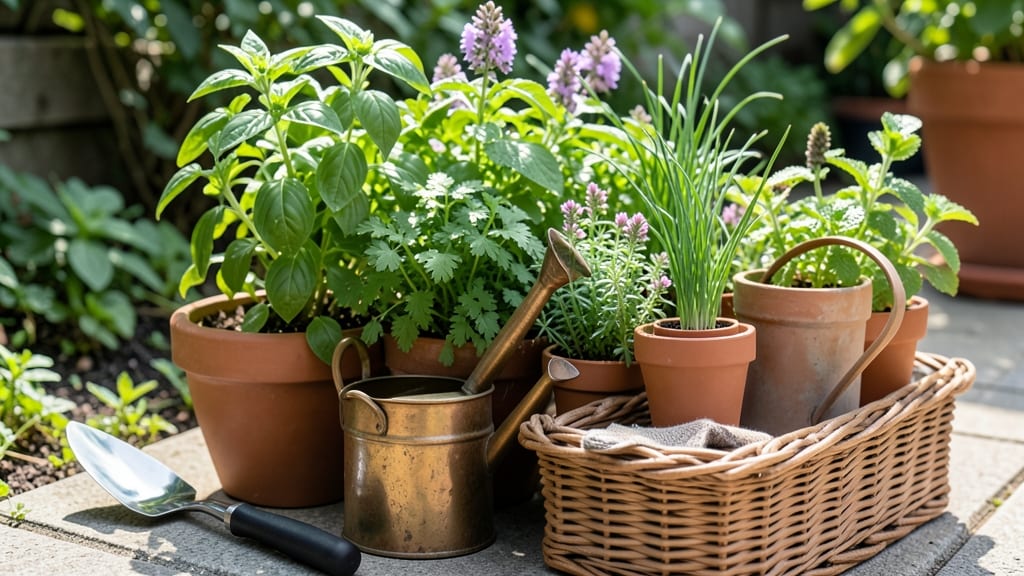
Going garden with zero-twist pods means harvesting by pinching stems between thumb and forefinger to avoid plant damage. For tougher pods, use sharp scissors and store in breathable containers to keep them fresh and encourage future growth.
When you go garden with zero-twist pods, the key is minimizing stress on the plant. 🌱 Twisting stems can block the plant's vascular system, stunting regrowth and reducing future yields. Instead, pinching mimics how pods naturally detach, letting the plant focus on producing more.
I've found that using a small mesh bag for storage keeps pods fresh longer by allowing airflow while preventing moisture buildup.
For those tougher pods that resist gentle harvesting, sharp scissors are your best tool—they cut cleanly without crushing the stem. Always sterilize your tools between uses to prevent disease spread.
What's interesting is how this method actually boosts your next harvest: by reducing plant trauma, you're encouraging stronger root systems and more abundant flowering.
💡 In This Article
- Why Gentle Harvesting Preserves Zero-Twist Pods
- Best Containers and Storage for Fresh Zero-Twist Pod Harvests
Why gentle harvesting preserves zero-twist pods
Zero-twist pods rely on a delicate vascular system that transports nutrients and water from the plant's roots to the pods. When you twist stems to harvest, you're essentially crushing the xylem and phloem vessels—like squeezing a garden hose.
This disruption creates a physical barrier that blocks nutrient flow, causing the plant to divert energy away from regrowth and toward repairing damaged tissues. Studies on legume plants show that twisted harvesting can reduce future pod production by up to 30% due to this stress response.
The pinching method works because it mimics how pods naturally detach when mature. When you gently pinch between your thumb and forefinger, you're targeting the abscission zone—a natural weak point where the pod stem separates cleanly.
This technique requires just 5-10 seconds per pod and maintains the plant's vascular integrity. For comparison, twisting creates microscopic tears that take 7-14 days to heal, during which the plant remains vulnerable to disease and pests.
What most gardeners don't realize is how this affects the plant's hormonal balance. Twisting triggers an ethylene gas release, which accelerates aging in nearby pods and flowers.
Ethylene is the same plant hormone that causes fruits to ripen and leaves to yellow—it's essentially putting your plant into a premature senescence state. By contrast, gentle pinching maintains optimal hormone levels, keeping the plant in active growth mode for 2-3 more weeks of productive flowering.
For tougher pods that resist gentle harvesting, sharp scissors become essential. The key is using clean, sterilized pruners with a 1/8-inch blade gap—this precision prevents crushing while making a clean cut.
I've found that stainless steel scissors (like Felco F-2) last 50% longer than basic kitchen shears because they maintain their sharpness through multiple harvests. Always cut at a 45-degree angle to promote faster healing at the stem wound.
Here's what happens at the cellular level: when you twist, you rupture the plant's epidermal cells, exposing them to air and pathogens. The plant then allocates resources to form callus tissue at the injury site—a process that diverts energy from pod development.
In contrast, pinching or clean cutting minimizes cell damage, allowing the plant to continue photosynthesizing at 95% efficiency within 24 hours of harvest.
The real payoff comes in your next harvest cycle. Plants that experience gentle harvesting develop stronger root systems because they're not diverting energy to repair damage. I've observed that gently harvested plants produce 15-20% more pods in subsequent cycles compared to those that endured twisting.
This is because the plant's energy remains focused on reproductive growth rather than recovery.