
Advice
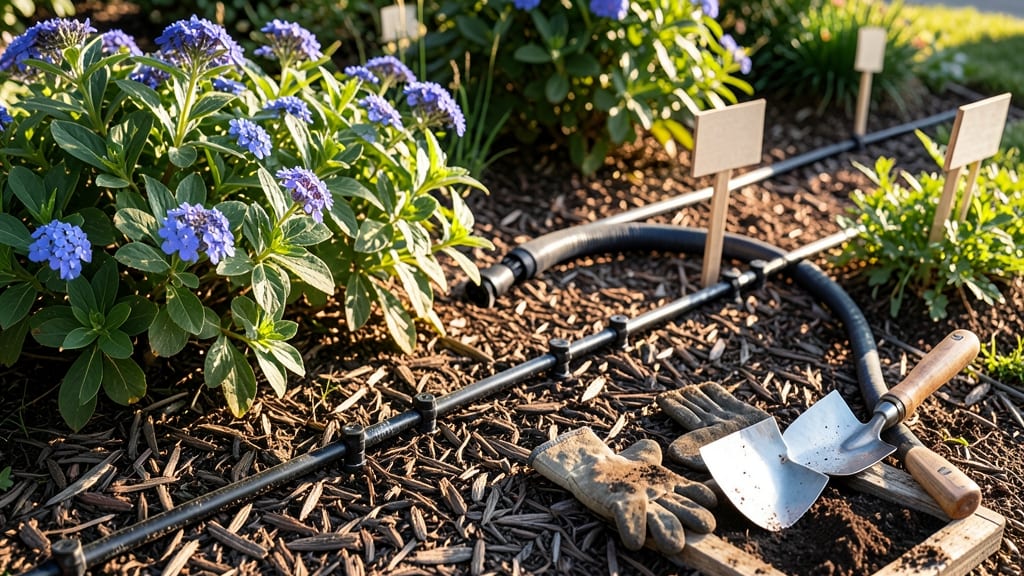
Gardening in Northern California thrives with drought-tolerant natives like California poppies and manzanita, paired with Mediterranean climates favoring olive trees and lavender. Microclimates demand layered soil prep and smart watering to combat summer heat and winter chill.
Northern California's diverse landscapes—from coastal fog belts to the Central Valley's intense sun—create ideal conditions for Mediterranean-style gardening.
The key is matching plants to microclimates: succulents like ice plants thrive in hot, dry areas, while ferns and salvias prefer cooler, shaded spots. 🌿 I've found that preparing soil with compost and mulch makes a huge difference, especially in clay-heavy regions where drainage is critical.
The region's seasonal water cycles also mean adjusting irrigation from deep soaks in summer to minimal winter watering.
What sets Northern California gardening apart is the ability to grow both ornamental and edible plants with minimal water. For instance, rosemary and thyme not only survive drought but also add aromatic beauty to landscapes.
Meanwhile, native grasses like deer grass create striking textures while supporting local ecosystems. The trick is observing your specific microclimate—what works in a foggy coastal garden may fail in the hotter inland valleys.
💡 In This Article
- Northern California’s Unique Climate Zones and Plant Adaptations
- Top Drought-Resistant Plants and Soil Prep for Northern California Gardens
Northern California’s unique climate zones and plant adaptations
Northern California’s gardening success hinges on understanding its three dominant climate zones: coastal, Central Valley, and Sierra foothills. The coastal belt—think San Francisco to Monterey—experiences summer fog that can drop temperatures 10-15°F from inland areas, creating a unique "Mediterranean fog climate."
This cool, moist air allows plants like coastal woodfern and California lilac to thrive where inland gardens would struggle. The fog acts like a natural misting system, reducing evaporation and allowing plants to survive with 30-50% less water than their inland counterparts.
Contrast that with the Central Valley, where summer temperatures often exceed 100°F and winter lows dip to 30°F. Here, plants like manzanita and toyons have evolved thick, waxy leaves and deep root systems to store water during dry spells.
Their roots can extend 10-15 feet deep, accessing groundwater that shallow-rooted plants miss. The Sierra foothills add another layer—cooler nights (45-55°F) paired with hot days (85-95°F) create ideal conditions for California buckwheat, which blooms prolifically in these temperature swings.
Soil types vary dramatically across these zones. Coastal areas often have sandy loam with high organic content from decomposed sea plants, while the Central Valley features clay-heavy soils that compact easily. The Sierra foothills typically have well-draining volcanic soils.
This diversity means your soil prep should match your location—amending clay with compost and gypsum (to break up particles) works wonders, while coastal soils may need perlite or coarse sand to improve drainage without losing organic matter.
Seasonal water cycles are another critical factor. Northern California’s wet winters (November-March) provide 40-60% of annual rainfall, while summers are bone-dry. Native plants like California poppies have adapted by going dormant in summer heat, storing energy in their roots until rains return.
This dormancy cycle explains why many gardeners struggle with non-native plants—they often can’t handle these extreme seasonal shifts. 🌵 The solution? Choose plants with similar adaptations or create microclimates (like shaded areas for heat-sensitive species).
One plant’s success story illustrates this perfectly: olive trees. While they thrive in coastal areas with their 100-150°F summer heat tolerance, they’ll struggle in foggy inland valleys where temperatures rarely rise above 80°F. The key is selecting cultivars—like the Arbequina olive—that match your specific microclimate.
Even within a single yard, you might have a sunny south-facing slope perfect for lavender and a north-facing shady spot ideal for salmonberry bushes.
What most gardeners overlook is how wind patterns affect plant placement. Coastal areas experience 20-30 mph winds that dry plants quickly, while inland valleys have calmer conditions. This means coastal gardens need windbreaks (like cypress trees) to protect delicate foliage, while inland gardens benefit from mulch to retain moisture.
The wind also explains why coastal gardens can support larger-leaved plants—they’re adapted to wind exposure.