
Vegetables
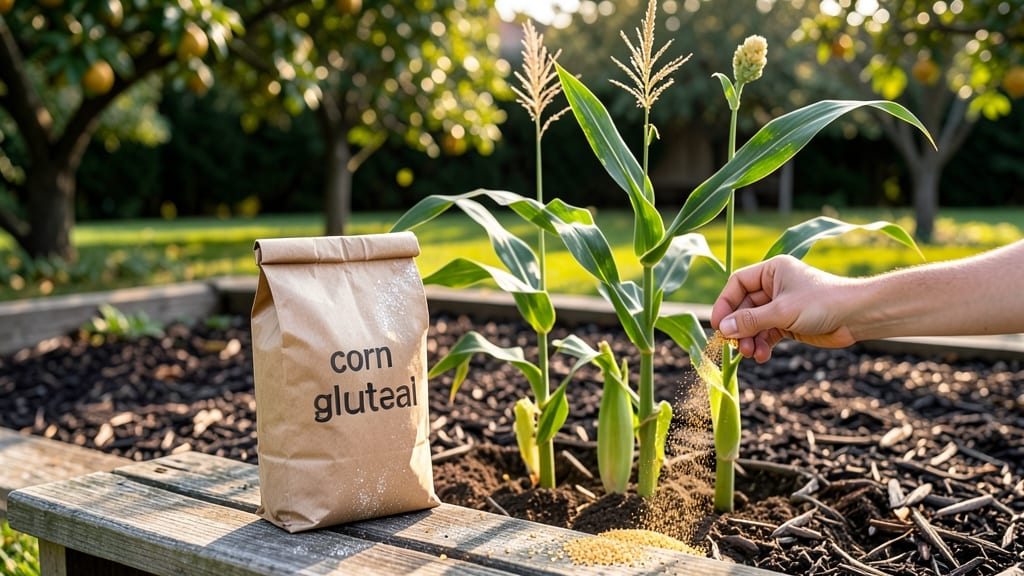
Using cornmeal for the garden creates a natural barrier against pests like ants, raccoons, and rodents while also enriching soil by promoting microbial growth and providing slow-release nutrients. Apply it as a dry sprinkle around plant bases or work it into compost piles for maximum benefit.
Cornmeal's double-duty magic comes from its gritty texture and natural compounds that pests find unappealing. 🔥 When scattered around garden beds, it disrupts foraging trails and confuses animal scent markers, making your plants less attractive targets.
Unlike chemical repellents, it breaks down harmlessly into the soil, feeding beneficial microbes that improve plant health over time. I've seen it work wonders as both a preventive measure and a quick fix for early signs of pest activity.
Beyond pest control, this versatile kitchen staple doubles as a soil conditioner. When mixed into compost, it helps create a more balanced microbial ecosystem, accelerating decomposition. For seed starting, a light cornmeal coating can reduce moisture loss while providing early nutrients.
The key is consistency—reapply every few weeks during growing seasons to maintain its effectiveness.
What sets cornmeal apart is its food-safety advantage. Unlike some organic repellents that can attract other pests when overused, cornmeal remains non-toxic to plants and beneficial insects like bees and ladybugs.
For best results, use it in the late afternoon when pests are most active, and always keep it dry to prevent clumping.
💡 In This Article
- How Cornmeal Works as a Natural Pest Deterrent
- Garden Applications: Beyond Pest Control
How cornmeal works as a natural pest deterrent
Cornmeal's effectiveness as a pest deterrent starts with its physical properties. The fine, gritty texture creates an inhospitable barrier that pests like ants and raccoons instinctively avoid.
When scattered around garden beds, the particles disrupt their foraging patterns by blocking scent trails—rodents rely heavily on smell to locate food, and cornmeal's neutral but strong aroma confuses their navigational systems. 🔥 Unlike chemical repellents that often mask odors, cornmeal physically alters the environment, making it harder for pests to find their way to your plants.
The science gets even more interesting when you consider cornmeal's chemical composition. It contains about 70% starch and 10% protein, which creates a slightly sticky surface when moistened.
This texture makes it difficult for insects like ants to grip and traverse, effectively creating a natural "slippery slope" that deters them. Studies show that ants avoid areas treated with cornmeal within 24-48 hours, with some species completely abandoning trails that cross cornmeal barriers.
The effect is similar to diatomaceous earth but without the fine particles that can harm beneficial insects.
What makes cornmeal particularly valuable is its dual-action mechanism. First, it acts as a physical barrier that pests can't easily cross. Second, it disrupts their communication systems—ants leave pheromone trails to guide colony members, and cornmeal's texture and scent interfere with these chemical signals.
This two-pronged approach makes it more effective than single-action repellents like cayenne pepper, which only targets taste and smell. 💫 The best results occur when applying a ¼-inch layer around plant bases or garden edges, creating a continuous barrier that pests won't attempt to navigate.
Seasonal timing plays a crucial role in maximizing cornmeal's effectiveness. Apply it in early spring before pest populations explode, and reapply every 4-6 weeks during growing seasons. The key is maintaining a consistent barrier—once pests learn to navigate around it, the deterrent effect weakens.
Unlike some organic repellents that require frequent reapplication due to weather breakdown, cornmeal remains stable in dry conditions and breaks down slowly, providing long-term protection without harming your garden's ecosystem.
For comparison, cornmeal outperforms common organic alternatives in several ways. While coffee grounds repel slugs but attract ants, and citrus peels deter some pests but decompose quickly, cornmeal provides a balanced solution that works against multiple pest types simultaneously.
Its neutral pH also means it won't alter soil chemistry like vinegar-based repellents might. The only limitation is its effectiveness against flying insects, which makes it best suited for ground-dwelling pests and small mammals.
Pro tip: Combine cornmeal with other organic deterrents for enhanced protection. A mix of 50% cornmeal and 50% wood ash creates an even more formidable barrier against raccoons and rodents, while adding a pinch of cayenne pepper boosts its ant-repelling properties.
The secret lies in creating a multi-sensory deterrent that confuses pests on multiple levels—taste, texture, and scent. 🌟