
Planting
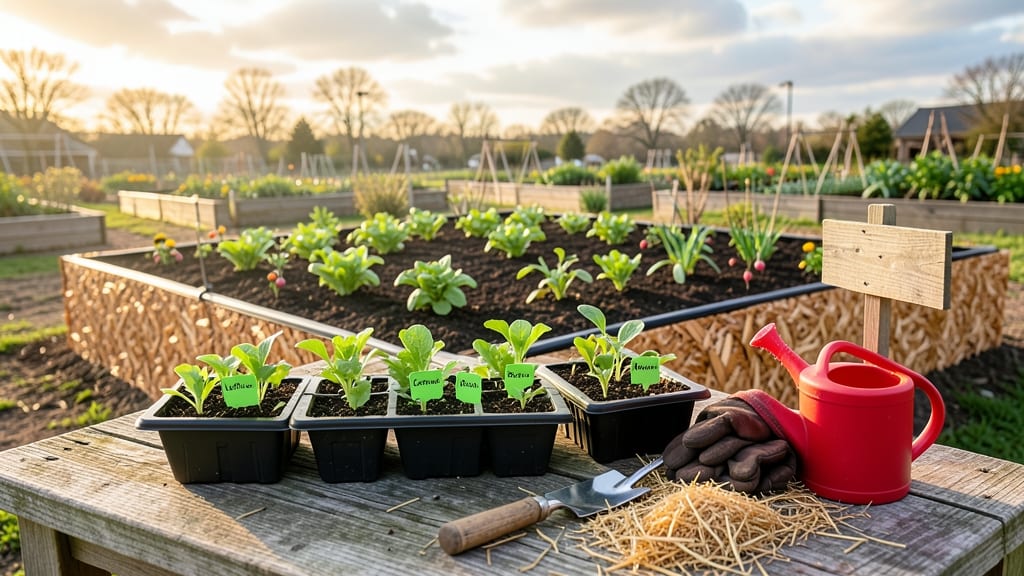
To grow a garden successfully, start by choosing a sunny spot, enriching the soil in early spring, and planting quick-sprouting seeds like lettuce or radishes 4-6 weeks before your last frost. A structured 12-week plan keeps your garden thriving with minimal stress.
Creating a garden from scratch feels overwhelming at first, but breaking it into manageable phases makes it simple. 🌱 The first 2 weeks focus on soil prep—removing weeds, adding compost, and testing pH levels to ensure nutrients are ready for seeds.
I always recommend testing your soil first; many gardeners skip this step and end up with poor growth despite their best efforts.
Once your soil is prepped, the next 4 weeks are about selecting the right plants—fast growers like radishes mature in just 3 weeks, while leafy greens give you quick wins to stay motivated.
What sets this timeline apart is how it balances speed with sustainability. By spacing out planting in 2-week intervals, you avoid overcrowding and create a continuous harvest cycle. For example, I plant a new batch of radishes every 2 weeks so I always have fresh ones ready.
The key is consistency—watering deeply 2-3 times a week and pulling weeds before they compete with your plants. This approach ensures you'll have homegrown veggies in just 12 weeks without needing a green thumb!
💡 In This Article
- Step-by-Step Garden Planning Timeline for Beginners
- Best Fast-Growing Plants for a Beginner’s Garden
Step-by-step garden planning timeline for beginners
Here's what's actually happening in those first two weeks of soil prep: you're creating the foundation for your entire garden. The goal is to break down old plant matter and introduce beneficial microbes through compost or aged manure.
A soil test reveals critical numbers like nitrogen (N), phosphorus (P), and potassium (K) levels—most home gardeners need about 10-20 pounds of 10-10-10 fertilizer per 100 square feet to get ideal readings of 100-150 ppm nitrogen.
This isn't just about adding dirt; it's about engineering a living ecosystem where roots can breathe and water drains properly. 🌱
Your location determines which crops thrive, but most vegetables need 6-8 hours of direct sunlight daily. The secret here is observing your space: even a north-facing garden can work if you choose shade-tolerant varieties like lettuce or spinach.
I've seen beginners overlook this and plant tomatoes in partial shade, only to get bitter, underdeveloped fruit. A simple trick is to mark your garden's sunniest spots with stakes during spring—what seems like full sun in winter often turns out to be dappled light in summer.
This timeline works because it accounts for seed germination rates. Radishes sprout in just 3-5 days at 70°F, while lettuce takes 5-10 days—knowing these windows helps you schedule your planting dates precisely.
The key milestone at week 6 is when you'll see your first true leaves emerge, signaling it's time to thin seedlings to 2-3 inches apart (this prevents overcrowding and disease).
What most people don't realize is that proper spacing now determines your harvest yield later—plants left too close compete for nutrients and sunlight.
Weeks 7-10 focus on maintenance that often gets overlooked: consistent watering (about 1 inch per week), mulching to retain moisture, and monitoring for pests. The 2-inch rule applies here—mulch should be 2 inches deep to suppress weeds while keeping soil temperatures stable.
I've found that using straw mulch (not wood chips) gives the best results for vegetable gardens because it breaks down quickly, adding nutrients back to the soil. This is also when you'll need to stake taller plants like peas or beans to prevent them from flopping over as they grow.
Harvesting begins at week 11, but the timing varies dramatically between crops. Radishes are ready in 3-4 weeks after planting, while lettuce takes 6-8 weeks—this staggered readiness is why succession planting works so well.
The science here is simple: harvest when plants are at their peak maturity, not a day later. For example, radishes left too long become woody and pithy, while lettuce bolted (goes to seed) turns bitter. Your garden's productivity depends entirely on these precise timing cues.
What makes this timeline foolproof is how it accounts for regional variations. In Zone 5, you might start 6 weeks before last frost, while Zone 8 gardeners can plant year-round.
The 12-week window gives you a safety net—even if you miss your ideal planting date by a week, you'll still get a harvest before summer heat stresses your plants. This flexibility is why this method works for beginners in every climate zone.