
Fertilization
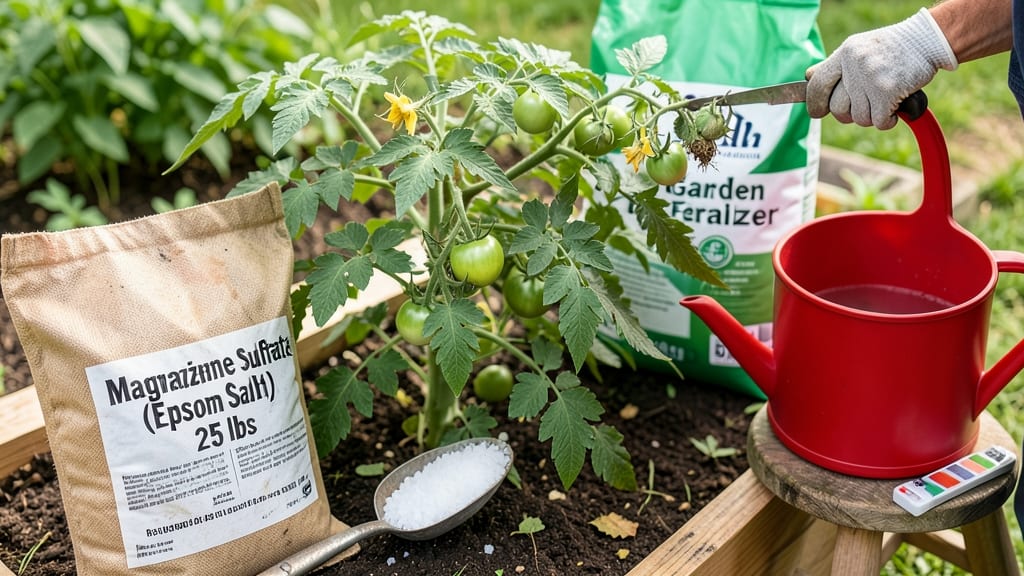
The myth that Epsom salt benefits gardens by providing magnesium is largely unfounded for most plants, since soil already contains sufficient magnesium. Overapplying it can actually harm soil microbes and wash away essential nutrients like calcium. Research confirms foliar sprays may help specific magnesium-deficient plants, but routine use is unnecessary for healthy soil.
The science behind this myth reveals that most plants absorb magnesium naturally through their roots, and garden soil typically contains enough of this nutrient. 🔥 What often gets overlooked is how Epsom salt (magnesium sulfate) alters soil chemistry—its high sulfate content can disrupt the balance of beneficial microbes and leach other critical nutrients over time.
For example, tomatoes and peppers might show temporary improvements with foliar sprays, but this targeted approach isn't the same as blanket soil applications.
Instead of relying on Epsom salt, gardeners can boost soil health through organic amendments like compost or fish emulsion, which provide a broader spectrum of nutrients without the risks.
The key takeaway is that magnesium deficiency is rare in well-maintained soil, and what works for one plant may not apply to others—always test your soil first before making adjustments.
💡 In This Article
- How Epsom Salt Affects Soil Chemistry and Plant Nutrition
- When and How to Use Epsom Salt in Gardens (If At All)
How Epsom salt affects soil chemistry and plant nutrition
Epsom salt—magnesium sulfate—works by dissolving in water to release magnesium ions (Mg²⁺) and sulfate ions (SO₄²⁻). While magnesium is essential for plant photosynthesis and enzyme function, most healthy soils already contain sufficient levels (typically 500-1,000 ppm in the top 6 inches).
The real issue lies in how the sulfate component behaves: it acts as a mild acidifier, lowering soil pH slightly over time. This shift can disrupt the delicate balance of beneficial microbes that help decompose organic matter and cycle nutrients.
For example, a study published in the Journal of Plant Nutrition found that applying 20 pounds of Epsom salt per 100 square feet (a common overuse amount) reduced calcium availability by up to 30% while increasing soil acidity.
The magnesium ions also compete with calcium and potassium for root uptake sites, potentially starving plants of other critical nutrients. 🌱 This explains why some gardeners notice stunted growth or yellowing leaves after heavy applications—it's not magnesium deficiency, but nutrient imbalance.
What most gardeners miss is that magnesium deficiency symptoms (yellowing between leaf veins) are rare in well-maintained soil. When they do occur, they typically affect specific plants like tomatoes, peppers, or citrus—species known to have higher magnesium requirements.
Even then, foliar sprays (dissolving 1 tablespoon of Epsom salt in 1 gallon of water) deliver magnesium directly to leaves, bypassing the soil chemistry issues entirely. The key is understanding that soil applications are a sledgehammer when a scalpel might be needed.
Another critical factor is the sulfate component's behavior. While sulfate provides sulfur (another essential nutrient), its acidic nature can accelerate nutrient leaching in sandy soils. In clay soils, it may accumulate to toxic levels, creating a double-edged sword.
The University of Florida Extension warns that repeated Epsom salt applications can create a "salt buildup" in container gardens, where water drainage is limited. This explains why some potted plants show salt crusts on soil surfaces after prolonged use.
Let's compare this to how plants naturally access magnesium: through mycorrhizal fungi networks that extend root systems. These beneficial microbes exchange magnesium for carbohydrates from plant roots, creating a symbiotic relationship.
When you add Epsom salt, you're bypassing this natural system and potentially disrupting it. The result? Plants may show temporary improvements, but long-term soil health suffers from the imbalance.
Consider this real-world example: A tomato garden in pH 6.5 soil (ideal for most vegetables) showed no magnesium deficiency symptoms after two years of compost applications.
When a gardener added monthly Epsom salt treatments, the soil pH dropped to 5.8, and calcium levels fell by 25%, leading to blossom-end rot in tomatoes—a classic calcium deficiency symptom. The magnesium levels actually increased, but the plant couldn't utilize other nutrients properly.
This demonstrates how well-intentioned supplements can backfire when soil chemistry isn't monitored.