
Tools
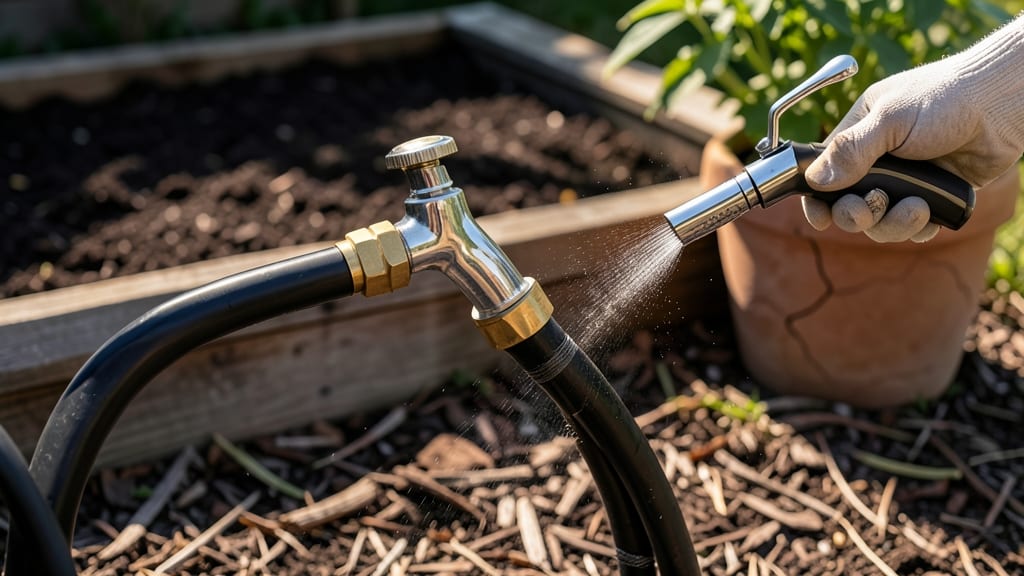
Garden hoses containing lead can release toxic chemicals into water, particularly when water stagnates overnight, creating serious health risks like lead poisoning. Choose lead-free vinyl, polyethylene, or rubber hoses to protect your drinking water and irrigation systems.
Lead leaches into water primarily through corrosion of metal fittings or solder in older hoses, but even some newer models may contain lead in their construction materials. 🔥 The problem worsens with acidic water or prolonged water contact, which accelerates chemical release.
Federal regulations like NSF/ANSI 61 and California's Prop 65 specifically address these risks, requiring manufacturers to disclose lead content. Even small amounts can accumulate over time, posing dangers to both humans and plants.
For safe gardening, lead-free options like polyethylene or rubber hoses are excellent choices—they're durable, flexible, and won't contaminate your water supply. Vinyl hoses are another popular alternative, though they may degrade faster under UV exposure. Always check for certification labels when purchasing to ensure compliance with safety standards.
💡 In This Article
- How Lead Leaches Into Water from Garden Hoses
- Safe Lead-Free Hose Materials for Gardening
How lead leaches into water from garden hoses
Lead enters water through a chemical process called corrosion, where metal components in hoses—like brass fittings or solder—react with water over time. When water sits stagnant overnight, especially in cooler temperatures, it creates the perfect environment for lead particles to dissolve into the water stream.
The pH level of your water plays a huge role: acidic water (pH <7) accelerates lead leaching by up to 50% compared to neutral water, while alkaline water slows it down. 🔥
Water temperature is another critical factor. Cooler water (below 60°F) holds dissolved gases longer, increasing lead solubility, while warmer water (above 75°F) can actually reduce leaching by promoting faster water flow.
The problem intensifies with older hoses, where metal parts may have corroded over years of use, releasing 0.015 mg/L or more of lead into water—well above safe limits set by the EPA (0.015 mg/L action level).
Regulations like NSF/ANSI 61 and California's Prop 65 require manufacturers to limit lead content to 0.25% in materials contacting drinking water. However, many hoses still contain lead in non-contact components, like connectors or valves, which can still contaminate water over time.
Even brief exposure to lead can cause neurological damage in children or kidney issues in adults, making this a silent but serious threat. 💛
Plants aren't safe either. Lead in irrigation water accumulates in soil, where it's absorbed by vegetables and fruits. Studies show that even low levels (5 mg/kg in soil) can reduce plant growth and contaminate produce.
Tomatoes, leafy greens, and root vegetables are particularly vulnerable to absorbing lead, posing risks to both gardeners and consumers.
To minimize risks, flush your hose for 30 seconds before use, especially after overnight storage, to clear stagnant water. If your hose is older than 5 years, consider replacing it entirely—modern lead-free hoses can reduce exposure by up to 90%.
Always check for certification labels like "NSF/ANSI 61" or "Prop 65 compliant" to ensure safety. ⚡
Even with precautions, the safest option is to avoid hoses with metal parts entirely. Polyethylene or rubber hoses eliminate this risk while maintaining durability and flexibility. For existing hoses, regular inspections for corrosion or cracks can help catch potential lead sources early. 💫