
Plants
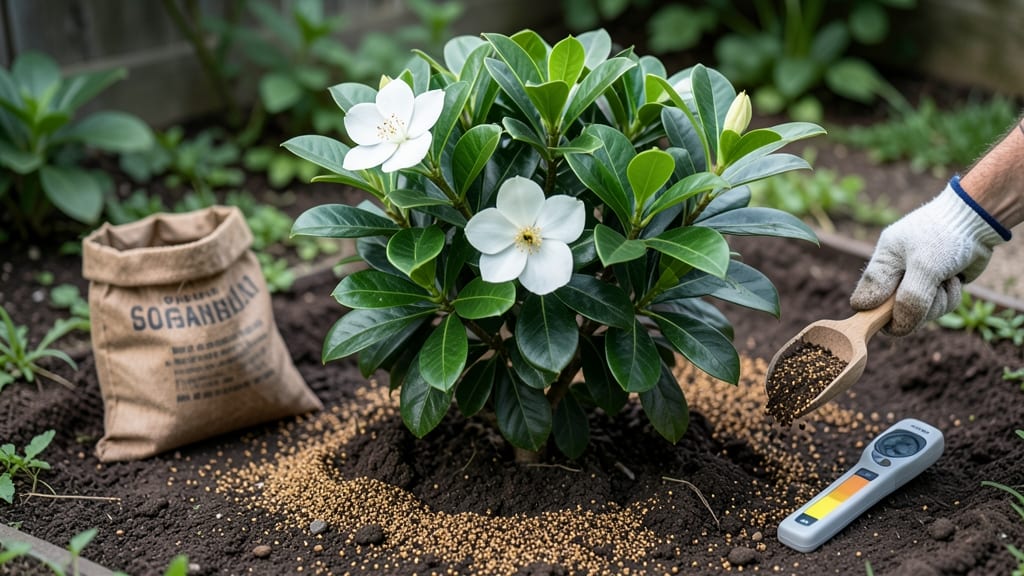
Gardenias do like coffee grounds because they prefer acidic soil, but you must use them carefully—excess can disrupt soil microbes. Mix 1-2 tablespoons per plant into compost or mulch, keeping it away from the roots. Pair with organic matter like peat moss or pine needles for the best results.
Gardenias love slightly acidic soil, and coffee grounds naturally lower pH levels, creating the perfect environment for these fragrant flowers. 🌿 The grounds also add nitrogen, which supports leafy growth, but too much can lead to fungal issues or nutrient imbalances.
I always recommend composting the grounds first to reduce acidity and prevent harm to beneficial soil organisms.
For best results, work the grounds into the top layer of soil or mix them into compost. Avoid piling them directly around the plant, as this can create a barrier that prevents water absorption.
If your gardenia needs a stronger acid boost, you can also brew coffee grounds into a tea and use it as a soil drench, but dilute it to half strength to avoid over-acidifying the soil.
💡 In This Article
- Why Coffee Grounds Boost Gardenia Growth
- How to Apply Coffee Grounds for Gardenias
Why coffee grounds boost gardenia growth
Gardenias thrive in acidic soil with a pH between 5.0 and 6.0, and coffee grounds are nature's pH regulator. When coffee brews, it releases organic acids like chlorogenic acid and tannins that lower soil pH by breaking down into humic substances.
These compounds create a slightly acidic environment perfect for gardenias, which struggle in alkaline conditions where nutrients like iron and manganese become unavailable.
The nitrogen content in coffee grounds (about 2% by dry weight) also acts as a slow-release fertilizer, promoting lush foliage growth that supports the plant's energy demands for blooming.
The real magic happens in the soil microbiome. Coffee grounds introduce beneficial microbes that help decompose organic matter, releasing nutrients gardenias can absorb. However, fresh grounds are too acidic (pH ~4.5) and can disrupt this balance.
Aging them for 2-3 months in compost reduces their acidity while preserving their nitrogen content.
Think of it like tempering wine—too much acidity at once shocks the system, but a gradual infusion creates harmony. 🌱 For example, mixing 1 tablespoon of aged grounds with 2 cups of compost provides a gentle acid boost without overwhelming the soil ecosystem.
But here's the catch: gardenias are sensitive to excess nitrogen, which can lead to leafy growth at the expense of flowers. Too many coffee grounds (more than 2 tablespoons per plant) can create a nitrogen surplus, causing fungal issues like root rot or powdery mildew.
The key is balance—coffee grounds should complement, not dominate, your gardenia's nutrient profile. I've seen gardenias with glossy leaves but no blooms after overzealous coffee ground applications, which is why I always recommend pairing them with peat moss or pine needles to moderate the acidity and improve drainage.
Another critical factor is the texture of coffee grounds. Finely ground coffee breaks down quickly, releasing nitrogen rapidly, while coarser grounds decompose slower. For gardenias, I prefer using coarsely ground or used grounds (from drip coffee makers) because they integrate more gradually into the soil.
Freshly brewed grounds can create a compacted layer that repels water, leading to root suffocation. The solution? Spread them thinly over the soil surface and lightly scratch them in, or mix them into the top 2-3 inches of mulch where they'll decompose safely.
Let's talk about the science of acidity. Coffee grounds contain about 0.1-0.2% sulfur, which further lowers pH when oxidized. While this sounds beneficial, too much sulfur can harm beneficial microbes that gardenias rely on for nutrient uptake.
The ideal approach is to test your soil's pH before applying coffee grounds. If your gardenia's soil is already acidic (below 5.0), skip the coffee grounds entirely and focus on adding organic matter like composted leaves or oak leaf mulch instead.
A simple home test kit can reveal whether your gardenia's soil needs acidification or if it's already in the perfect range.
One surprising benefit is the aroma. Coffee grounds release a faint earthy scent that deters pests like slugs and snails, which often target gardenias.
The caffeine in coffee grounds (about 1-2%) acts as a natural pesticide when applied directly to the soil, though it's not strong enough to harm gardenias. This dual benefit—acidity adjustment and pest control—makes coffee grounds one of the most versatile amendments for gardenias, provided you use them wisely. 🌸