
Planting
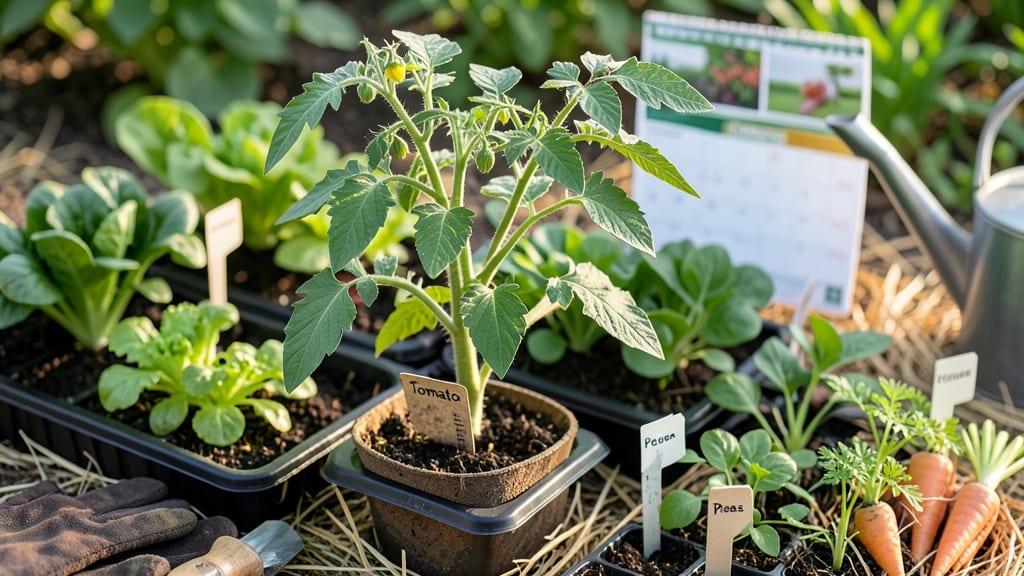
Planting your garden in Ohio at the right time means the difference between a thriving harvest and a sad, frost-nipped failure—especially when last frost dates can shift by weeks.
Ohio’s unpredictable spring weather can turn gardening dreams into frostbitten failures—or transform your harvest into a bountiful success. Timing your plantings to Ohio’s frost-free zones is the secret to thriving vegetables, flowers, and herbs.
With USDA zones 6a-6b and 165 frost-free days on average, Ohio offers a surprisingly long growing season—but only if you start at the right moment. Miss the window, and you’ll watch your seedlings wilt under a late cold snap.
Below, I’ll break down the exact planting windows for cool-season crops (like lettuce and peas) and warm-season favorites (tomatoes, peppers, and basil), plus how to adjust for Ohio’s microclimates—whether you’re in urban Cleveland or rural southern Ohio.
Ohio’s frost-free zones: when to plant cool-season vs. warm-season crops
Ohio spans USDA Hardiness Zones 5-7, with northern Ohio (Zone 5) experiencing earlier frosts than southern Ohio (Zone 7). Understanding these zones helps you avoid frost damage while maximizing your garden’s potential.
The last spring frost typically arrives between mid-April and early May, while the first fall frost hits mid-October to early November, depending on location.
Cool-season crops like lettuce, peas, and spinach thrive in spring and fall, while warm-season plants such as tomatoes, peppers, and cucumbers need consistent warmth after the last frost.
Southern Ohio’s longer growing season allows for two full harvests of warm-season crops, whereas northern Ohio gardeners may need to start seeds indoors or use row covers to extend the season.
Key frost dates vary by region:
- Northern Ohio (Zone 5): Last frost April 25–May 10, first frost October 10–20
- Central Ohio (Zone 6): Last frost April 15–May 5, first frost October 5–15
- Southern Ohio (Zone 7): Last frost April 1–April 15, first frost October 1–10
| Crop Type | Planting Window | Notes |
|---|---|---|
| Cool-Season Crops |
|
|
| Warm-Season Crops |
|
|
| Transplants (Tomatoes, Peppers) |
|
|
| Succession Planting |
|
|
For cool-season crops, I recommend planting lettuce and peas in early spring (as soon as soil is workable) and again in late summer for a fall harvest. These crops handle Ohio’s cooler nights and even light frosts, making them ideal for extended-season gardening.
In my Zone 6 garden, I’ve successfully grown spinach until Christmas using row covers to shield it from early frosts.
Warm-season crops like tomatoes and peppers demand patience. In northern Ohio (Zone 5), I wait until Memorial Day to transplant seedlings, while in southern Ohio (Zone 7), I can start them by Mother’s Day.
Using black plastic mulch warms the soil faster, giving heat-loving plants a head start. I’ve found that staggering plantings every 2 weeks ensures a steady supply of cucumbers and beans all summer.
Ohio’s microclimates can shift planting dates by 2–3 weeks. Urban areas with concrete and buildings
How to adjust planting dates for Ohio’s unpredictable weather patterns
Ohio’s weather can swing from freezing nights to unseasonable warmth in a single week, leaving gardeners scrambling to adjust planting schedules. The key to success lies in flexibility—using historical frost data, real-time forecasts, and protective tools like row covers to extend your growing season.
By understanding microclimates (like urban heat islands or sheltered garden spots), you can fine-tune planting dates to match your specific location’s conditions.
Start by checking your local last frost date, which typically ranges from mid-April in northern Ohio to early April in southern Ohio. However, these dates are just a starting point.
For frost-sensitive plants like tomatoes and peppers, wait until the soil temperature consistently stays above 60°F—a critical threshold for germination and growth. Use a soil thermometer to monitor this, especially in early spring when mornings can still be chilly.
- 📅 Track your local frost dates using the Old Farmer’s Almanac or NOAA climate data—these provide historical averages for your specific county.
- 🛡️ Use row covers or cold frames to plant 2-3 weeks earlier for cool-season crops like lettuce and spinach, protecting them from late frosts.
- 🌡️ Monitor soil temperature with a soil thermometer—most warm-season crops need soil at 60°F+ to thrive.
- 📊 Adjust for microclimates: South-facing slopes warm up faster, while low-lying areas stay colder longer—plant accordingly.
- 📱 Set up weather alerts for frost warnings and heat advisories to protect tender seedlings from unexpected temperature drops or spikes.
For cool-season crops like kale, carrots, and peas, you can start seeds indoors 4-6 weeks before your average last frost date. These hardy plants can often tolerate light frosts, so don’t hesitate to plant them early.
In contrast, warm-season crops like beans, cucumbers, and squash should wait until after the last frost—typically late April to early May—and may benefit from a black plastic mulch to warm the soil faster.
Ohio’s fall planting window is another opportunity to extend your harvest. Start planting cool-season crops like broccoli and Brussels sprouts 6-8 weeks before your first expected frost, which usually falls between mid-October and early November.
Use row covers to protect young plants from early autumn frosts, giving them time to mature before winter sets in.
Don’t forget to succession plant throughout the season. For example, sow radishes every 2 weeks for a continuous harvest, or replace bolted lettuce with spinach or arugula in late summer. This strategy maximizes your garden’s productivity and ensures you’re always harvesting fresh produce, regardless of Ohio’s unpredictable weather shifts.
Finally, keep a gardening journal to track your own planting successes and failures. Note which dates worked best for your location, which crops thrived, and how weather patterns affected your garden.
Over time, you’ll develop a customized planting schedule tailored to your Ohio microclimate—turning even the most unpredictable weather into an advantage for your garden. 🌱