
Watering
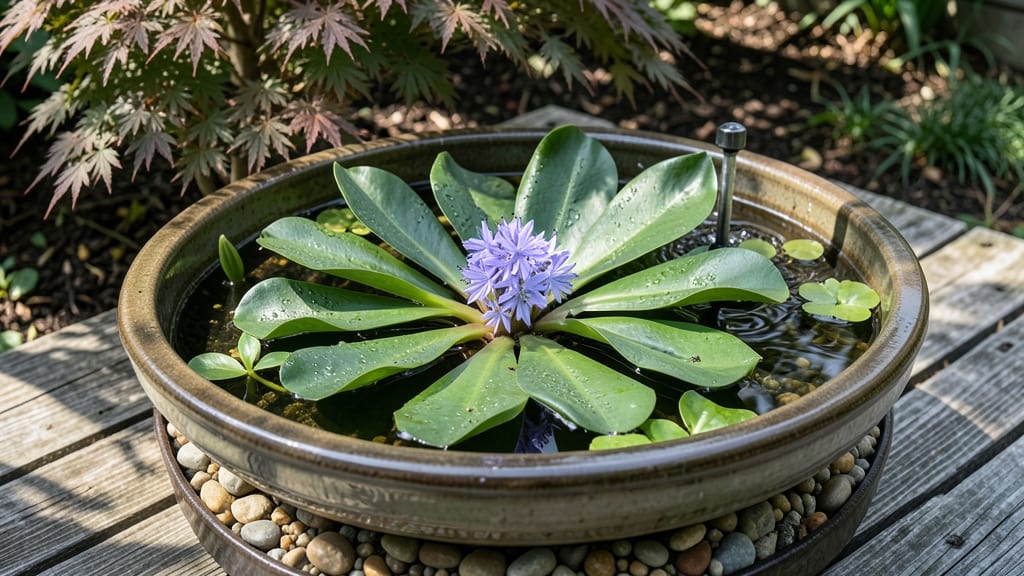
Growing stunning water garden plants in containers is easier than you think—no pond required, just the right setup and a few low-maintenance varieties 🌿.
Picture this: a small balcony or patio transformed into a tranquil oasis with floating lilies, submerged greens, and a thriving ecosystem that needs just 10 minutes of care a week.
The best part? These plants clean the water, deter pests, and look like a pro-designed feature—without the hassle of a full pond.
Whether you’re drawn to the delicate spread of water lettuce or the oxygenating power of hornwort, the key is matching your container size to the right plants. Too shallow? Your submerged varieties will gasp for air.
Too deep? Floating plants might sink like a stone. I’ll walk you through the perfect pairings—and how to keep them balanced so your mini water garden stays vibrant all season.
From choosing the right soil mix to troubleshooting algae before it starts, this guide covers everything you need to turn a simple container into a self-sustaining water feature. Let’s dive in!
Best floating container water garden plants for oxygen and aesthetics
Creating a floating plant ecosystem in your container water garden is one of the easiest ways to improve water quality while adding stunning visual appeal. These plants naturally filter toxins, suppress algae, and even deter mosquitoes—all while thriving in minimal space.
My top picks for low-maintenance floating plants include water hyacinth, water lettuce, and duckweed, each offering unique benefits for your setup. 🌿
What makes these plants so special? They grow rapidly, creating a lush canopy that blocks sunlight from reaching the water below—this simple action reduces mosquito breeding and prevents unsightly algae blooms.
Plus, their vibrant foliage adds texture and color to any balcony garden or patio oasis. The best part? They require zero soil and can be moved between containers as needed. 🪴
Before diving into specifics, let’s compare the top three floating container plants to help you choose the perfect fit for your water garden. Each has distinct care needs, growth habits, and aesthetic qualities that can transform your setup. Below, you’ll find a side-by-side breakdown to simplify your decision. 📊
If you’re aiming for bold visuals and don’t mind regular pruning, water hyacinth is my top recommendation. Its striking lavender flowers and deep purple leaves create a dramatic focal point in any container.
Just be prepared to trim it back every 2–3 weeks to prevent it from overtaking your setup. This plant thrives in full sun but tolerates partial shade, making it versatile for patios with varying light conditions. 🌸
For a softer, more natural look, water lettuce is an excellent choice. Its ruffled, cabbage-like leaves resemble miniature lettuce heads, adding texture without overwhelming the space. Unlike water hyacinth, it grows slightly slower, requiring less frequent maintenance.
Place it in a shallow container (6–12 inches deep) where it can spread freely—just avoid letting it crowd out other plants. 💦
Duckweed might seem unassuming, but it’s a powerhouse for water purification and mosquito control. This tiny plant forms a green carpet across the water’s surface in just days, blocking sunlight and suffocating algae. It’s perfect for small containers or as a supplement to other floating plants. The trade-off? It lacks visual appeal, so pair it with more decorative species like water lettuce for balance. 🪲
One common question I hear is: "How do I prevent these plants from taking over?" The key is harvesting excess growth regularly. For water hyacinth and water lettuce, simply trim back overgrowth and compost it or repurpose it in other containers.
With duckweed, skim off a portion weekly to maintain a 50% coverage—this keeps it under control while still benefiting your water garden. ✂️
Another pro tip: Rotate your plants seasonally. In summer, when mosquito populations peak, prioritize dense cover with water hyacinth or duckweed. In spring or fall, when aesthetics matter more, lean toward water lettuce for its delicate appearance.
This approach ensures your container garden stays functional and beautiful year-round. ☀️
Finally, remember that container size matters. A 5-gallon bucket can comfortably support a small patch of water lettuce, while a 20-gallon tub can handle a mix of all three plants.
Always leave at least 6 inches of space between floating plants and submerged varieties to avoid competition. With the right balance, your mini water garden will become a thriving, self-sustaining ecosystem. 🌊
Ready to get started? Grab a container, add some water, and let these low-maintenance floating plants work their magic. Your balcony will thank you—both for the serene ambiance and the crystal-clear water** they create. Happy gardening! 🌱
Submerged container water plants: oxygenators and hidden gems
When you think of container water gardens, floating lilies or water lettuce might come to mind first. But the real workhorses of a healthy ecosystem are submerged plants.
These oxygenators—like hornwort and anacharis—do the heavy lifting by releasing oxygen, suppressing algae, and creating habitats for tiny critters like snails and shrimp. Without them, your container water garden risks becoming a murky, stagnant mess. The best part?
These plants thrive in deeper containers (12+ inches) where they can stretch their roots freely.
I’ve found that hornwort is my go-to for beginners because it’s nearly indestructible. It grows in dense mats that crowd out algae naturally, and its bright green leaves add a lush, underwater feel to your setup.
For something a little more delicate but equally effective, anacharis (or "waterweed") is a favorite. It grows in long, grassy strands that sway with the water, providing both function and texture.
Both of these plants are perennial oxygenators, meaning they’ll keep your water crystal clear with minimal effort from you.
One of my biggest mistakes early on was underestimating the depth requirements of submerged plants. For example, waterweed (or Vallisneria) needs at least 18 inches of water to thrive, while hornwort can adapt to shallower setups.
If your container is too shallow, these plants will either drown or fail to oxygenate effectively. Pro tip: Use a clear container so you can monitor growth and adjust placement as needed. A 12-inch depth is the sweet spot for most oxygenators, balancing their needs with container practicality.
Beyond oxygenation, submerged plants create microhabitats that attract beneficial wildlife. I’ve seen tiny shrimp and snails take up residence in my anacharis, which in turn helps break down organic debris. This natural cleanup crew reduces the need for manual maintenance, like siphoning out muck.
If you’re adding fish to your container garden, these plants are a must—they provide hiding spots and improve water quality. Just avoid overcrowding; aim for 30–50% coverage of your container’s surface area to keep the ecosystem balanced.
To keep your submerged plants healthy, I recommend a monthly trim***. Use clean scissors to snip back any leggy growth, which encourages bushier, denser foliage. This also prevents your plants from taking over the container.
In winter months, some varieties like anacharis may slow down or even die back, but they’ll bounce back in spring with minimal intervention.
If you’re in a colder climate, consider moving your container to a sheltered spot or using a submersible heater (set to 50–60°F) to keep the water from freezing completely.
For those who love a challenge, try mixing submerged plants with floating varieties. The floating plants (like water lettuce) will shade the water slightly, while the submerged oxygenators keep the ecosystem thriving below. It’s a beautiful balance that requires almost no extra effort from you.
Just remember: light is key. Most submerged plants need 6–8 hours of sunlight daily, so place your container in a spot that gets morning sun and afternoon shade if you’re in a hot climate.
With the right setup, your container water garden will become a self-sustaining oasis that’s as rewarding to maintain as it is beautiful to behold 🌿.