
Landscaping
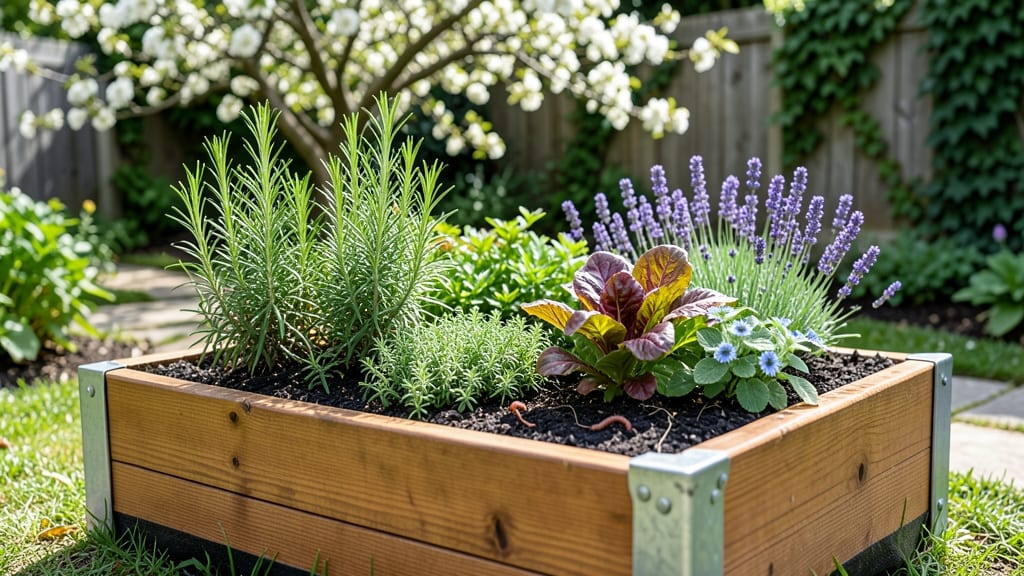
To determine how tall to make raised garden beds, start with 6–12 inches for most vegetables and herbs—this gives roots room to spread while keeping them accessible for planting and harvesting.
Struggling to decide how tall your raised garden beds should be? The right height isn’t just about aesthetics—it directly impacts root growth, accessibility, and even what plants thrive in your space. Too shallow, and carrots won’t develop properly; too tall, and you’ll strain your back every time you reach in.
For deep-rooted plants like asparagus or fruit trees, aim for 18–24 inches of soil depth, while herbs and leafy greens do just fine in 6–10 inches. The key is balancing your plants’ needs with your comfort—because nobody wants a garden that feels like a workout.
In this guide, I’ll break down the ideal heights for different crops, how to adjust for accessibility, and the materials and drainage tricks that keep your beds working well for years. Let’s get growing!


Ideal raised garden bed height for root depth and plant types
When building raised garden beds, height matters more than most gardeners realize. The right depth ensures your plants have enough root space to thrive while preventing issues like poor drainage or structural instability.
For most vegetables and herbs, a standard height of 6 to 12 inches provides ample room for healthy growth, but deeper beds are essential for root crops like carrots or potatoes.
Deep-rooted plants, such as asparagus, rhubarb, or fruit trees, need 18 to 24 inches of soil depth to establish strong root systems. Shallow-rooted plants like lettuce, radishes, or strawberries thrive in beds just 6 to 10 inches deep.
Choosing the right height also affects soil aeration and water retention, which can make or break your garden’s success.
| Plant Type | Root Depth | Ideal Bed Height | Notes |
|---|---|---|---|
| Herbs (basil, parsley, cilantro) | 6–12 inches | 6–12 inches | Shallow roots; great for small beds |
| Leafy greens (lettuce, spinach) | 6–10 inches | 6–10 inches | Fast-growing; avoid waterlogging |
| Root crops (carrots, radishes) | 12–18 inches | 12–18 inches | Deep roots need loose, deep soil |
| Tomatoes, peppers, cucumbers | 12–18 inches | 12–18 inches | Strong stems benefit from deeper beds |
| Fruit trees, shrubs | 24+ inches | 24+ inches | Requires structural support |
| Strawberries, shallow perennials | 6–12 inches | 6–12 inches | Mulch to retain moisture |
Beyond root depth, bed height influences drainage efficiency. Taller beds (12+ inches) improve water runoff, reducing the risk of root rot in heavy clay soils. However, beds taller than 24 inches can dry out faster, requiring more frequent watering.
For most home gardens, 10 to 12 inches strikes the perfect balance for accessibility, drainage, and root growth.
If you’re growing deep-rooted perennials like asparagus, consider building a two-tiered bed. The top layer (12 inches) holds annuals, while the deeper layer (18+ inches) accommodates long-lived plants. Just ensure the base is level and stable to prevent collapsing over time.
Another key factor is soil volume. A 4’ x 8’ bed that’s 12 inches tall holds about 1.5 cubic feet of soil per square foot, while a 18-inch bed doubles that capacity.
This extra soil volume means more nutrient retention and moisture control, which is especially helpful in hot, dry climates.
For container gardening or small spaces, 6-inch-deep beds work well for herbs and salad greens. Just supplement with compost-rich soil to maximize nutrient availability. Avoid beds shallower than 6 inches, as they restrict root development and limit plant options.
Pro tip: If you’re unsure about height, start with a 12-inch bed. It’s versatile enough for most vegetables, herbs, and flowers, and you can always add extension boards later if needed. Just remember—deeper isn’t always better if it compromises structural integrity or water management.
Finally, consider your gardening style. Kneeling gardeners may prefer 10-inch beds for comfort, while those who stand often opt for 18-inch beds.
The best height depends on your plants, climate, and personal needs, but with these guidelines, you’ll create a bed that’s both functional and productive. 🌱
Accessibility and practical height considerations for gardeners
Choosing the right raised garden bed height can transform your gardening experience—especially if you struggle with kneeling or standing for long periods. I’ve learned the hard way that a bed that’s too low forces me to strain my back, while one that’s too high makes weeding nearly impossible.
The ideal height balances ergonomics and functionality, ensuring your garden stays accessible and enjoyable year-round.
For most gardeners, 10–12 inches is the sweet spot for kneeling beds. This height lets you work comfortably without bending too far, making it ideal for planting, weeding, and harvesting.
However, if you prefer to stand while gardening—perhaps due to knee issues or simply personal preference—18–24 inches can work wonders, mimicking a countertop height that reduces strain on your back and joints.
Here’s the catch: taller beds require stronger structural support to prevent collapsing under soil weight. I’ve seen cedar beds lean dangerously after just one season if not built with sturdy corners or cross-bracing. Always use rot-resistant wood (like cedar or redwood) or composite materials to ensure longevity.
Another key factor is edge support. Without proper reinforcement, soil can spill over or the edges may warp over time. I recommend adding metal brackets or corner posts to reinforce the corners, especially for beds taller than 16 inches. This small investment saves hours of frustration later.
Let’s break down the pros and cons of different heights to help you decide what works best for your needs.
Pros and Cons of Raised Garden Bed Heights
10–12 Inches (Kneeling Height)
- Pros: Comfortable for kneeling, great for beginners, easy to fill with soil.
- Cons: Can strain knees/back over time, limited soil depth for deep-rooted plants.
16–18 Inches (Transition Height)
- Pros: Balances kneeling/standing, good for most vegetables, reduces back strain.
- Cons: Requires stronger edges, may need extra support for taller plants.
24+ Inches (Standing Height)
- Pros: Ideal for standing, reduces knee strain, perfect for deep-rooted plants.
- Cons: Needs heavy-duty materials, harder to fill with soil, may require ladders for maintenance.
If you’re unsure where to start, I recommend beginning with a 12-inch bed—it’s versatile enough for most vegetables and herbs while being easy to modify later. For example, you can always add extendable sides or stack soil bags to increase height as your gardening needs evolve.
And remember, width matters too: keep beds no wider than 4 feet to avoid overreaching while working.
For those with mobility challenges, consider adding adjustable kneeling pads or even a small stool to sit on while gardening. I’ve also seen gardeners use foldable benches tucked under the bed for extra support.
The goal is to make gardening as comfortable as possible—because when it’s enjoyable, you’ll spend more time tending to your plants and less time struggling with them.