
Planting
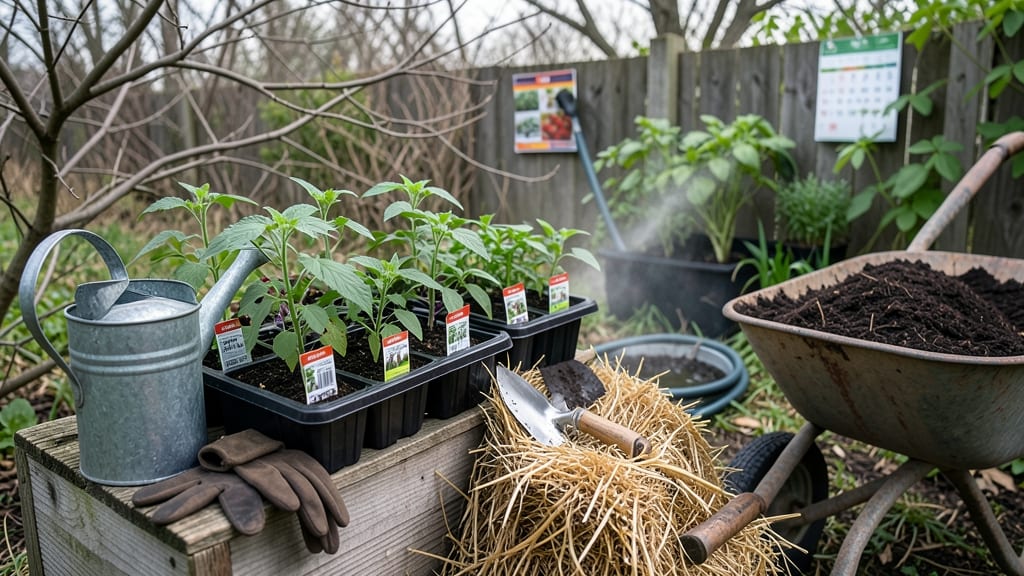
Planting a garden in Ohio after the last frost date is the key to avoiding those heartbreaking early-morning freezes that turn tender seedlings into sad, wilted memories.
Ohio’s unpredictable spring weather can turn your gardening dreams into a gamble—unless you know the exact last frost dates for your zone. Plant too early, and frost will kill your seedlings; too late, and you’ll miss peak harvests. Here’s your zone-by-zone guide to timing plantings perfectly.
Most Ohio gardeners in zones 6a-6b can start cool-season crops like lettuce and peas as early as late March, but the real magic happens after the last frost—typically mid-April in most regions. That’s when your 🌱 garden truly comes alive.
In this guide, I’ll break down the best planting windows for everything from leafy greens to tomatoes, plus how to adjust for Ohio’s microclimates—whether you’re in the cooler hills of the north or the warmer valleys of the south.
Ohio’s last frost dates by USDA Zone: when to plant cool-season crops
Ohio’s cool-season crops like lettuce, spinach, and peas thrive when planted at the right time—just after the last frost. But with five USDA zones (5a through 6b) across the state, timing varies dramatically.
Northern Ohio’s Zone 5a can see frost as late as May 15, while southern Zone 6b often warms up by April 15. Knowing these dates ensures your seedlings survive and flourish.
Historical data shows Ohio’s last frost dates shift by 1-2 weeks each year, thanks to unpredictable weather patterns. For example, Columbus (Zone 6a) averages a last frost around April 20, but 2021 saw a late freeze on May 5.
To hedge your bets, use row covers or start seeds indoors 4-6 weeks before your zone’s average last frost date.
Here’s how to use this guide: First, identify your USDA zone (check the Ohio State University Extension map). Then, plant hardy greens like kale or spinach 4-6 weeks before your last frost date. Peas and radishes can handle light frosts, so they’re safe to direct-sow 2-3 weeks earlier.
For broccoli and cauliflower, wait until 2 weeks after your last frost to avoid bolting.
Pro Tip: Ohio’s microclimates matter. Urban areas like Cincinnati (Zone 6b) warm faster than rural Toledo (Zone 5b). If you’re near a lake or river, expect 1-2 weeks later frosts than inland zones. Always monitor local weather forecasts and adjust your planting schedule accordingly.
For Zone 5a gardeners, early March is the time to start spinach and peas indoors. By April 15, you can transplant seedlings outdoors or direct-sow hardy varieties like ‘Winter Density’ kale, which tolerates light frosts.
In Zone 6b, you can push the envelope: Sow radishes as early as February 15 under cold frames or floating row covers for a jumpstart.
Don’t overlook succession planting—this technique lets you extend harvests by sowing lettuce every 2 weeks from spring to early summer.
For example, in Columbus (Zone 6a), plant the first batch around April 1, then repeat on April 15, May 1, and May 15 for continuous harvests through summer. Peas are another great candidate: Sow sugar snap peas in early spring and again in late summer for a fall crop.
If you’re new to Ohio gardening, soil temperature is just as critical as air temperature. Cool-season crops like spinach need soil temps between 40°F and 75°F.
Use a soil thermometer to confirm readiness—planting too early in cold soil can stunt growth. For Zone 5a, wait until soil reaches 45°F
Best planting schedule for warm-season vegetables in Ohio: tomatoes, peppers, and beyond
Ohio’s warm-season vegetables like tomatoes, peppers, and cucumbers thrive when planted after the last frost date, typically between mid-April and early May in most of the state. These heat-loving crops need consistent warmth to grow, so timing is everything.
In Zone 5, start seeds indoors 6-8 weeks before the last frost, while Zone 6-7 gardeners can plant directly outdoors after soil warms to 60°F+. My rule of thumb? Wait until the soil thermometer confirms it’s ready—no guessing!
For tomatoes and peppers, the key is planting 30-45 days before your area’s last frost date. These plants are sensitive to cold, so rushing them can lead to stunted growth or even death.
In southern Ohio (Zone 6-7), you might start as early as April 15th, while northern Ohio (Zone 5) gardeners should wait until May 1st or later. Always check your local frost-free date—it’s your best friend for planning!
Direct-Sown vs. Started-Indoor Methods
- Pros: Saves time, no transplant shock
- Cons: Slower growth, risk of frost damage
- Pros: Faster growth, earlier harvest
- Cons: Requires space/time, transplant shock risk
For tomatoes and peppers, starting indoors is ideal in Zone 5. Cucumbers and squash can often be direct-sown after soil warms.
One common mistake I see is planting tomatoes too early, which can lead to blossom-end rot—a frustrating calcium deficiency caused by uneven watering or temperature swings. To prevent this, mulch heavily to keep roots cool and water consistently.
For peppers, which love heat, wait until nighttime temps stay above 55°F. If you’re in doubt, use a row cover for a few weeks to protect young plants from late frosts.
Ohio’s soil temperature is just as critical as air temperature. Use a soil thermometer to confirm it’s at least 60°F for warm-season crops. If it’s cooler, wait—your plants will thank you! For cucumbers and squash, which germinate best in warm soil, aim for 70°F+.
Pro tip: If your soil is still cold, try a black plastic mulch to speed up warming. It works like a charm!
Succession planting is another trick I swear by for peppers and eggplants. These slow growers benefit from staggered plantings every 2-3 weeks after your initial date. This ensures a steady harvest instead of one big rush.
For example, if you plant your first batch of bell peppers on May 1st, follow up with another on May 15th and May 30th. It’s a game-changer for extending your harvest season!
Don’t forget about herbs like basil and cilantro, which also thrive in warm weather. Basil, in particular, bolts quickly if planted too early. Wait until late May to sow seeds directly outdoors, or start them indoors in April for a jumpstart.
And if you’re growing okra or sweet potatoes, these heat lovers need to wait until after June 1st in most of Ohio—patience is key!