
Planting
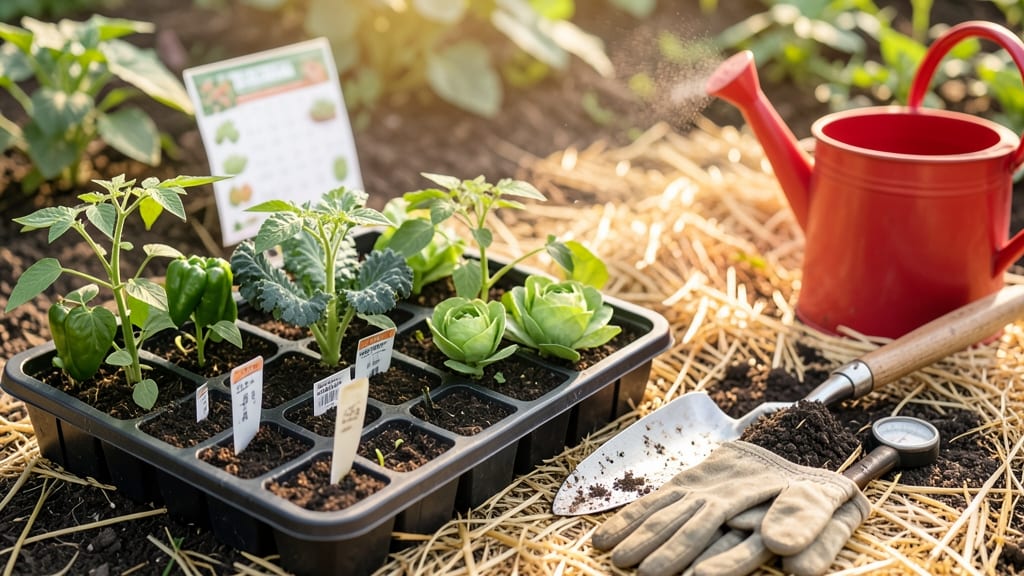
Planting a vegetable garden in North Carolina requires timing that matches your microclimate—whether you’re in the mountains, Piedmont, or coastal plain, the last frost date can shift your schedule by weeks.
North Carolina’s diverse climate—from the mountains to the coast—means your vegetable planting timeline can vary by hundreds of days. Get the exact microclimate-specific schedule to maximize yields for heat-loving crops like tomatoes, peppers, and sweet potatoes while avoiding frost risks.
Most gardeners in zones 6b-8a should wait until mid-March to early April for warm-season crops, but coastal areas like Wilmington can start sooner. Cool-season veggies like lettuce and peas, however, thrive when planted 4-6 weeks before the last frost—often as early as February.
Below, I’ll break down the perfect planting windows for your region, plus pro tips to stretch your growing season without risking frost damage. Ready to turn your 🥕 patch into a year-round harvest?
NC planting zones & microclimate-specific frost dates for zero-frost crops
North Carolina spans USDA zones 5a through 8b, creating dramatic differences in frost dates from the coastal plains to the mountains. In Zone 8a (e.g., Wilmington), you might plant tomatoes in February, while in Zone 5a (e.g., Boone), you’ll wait until mid-May.
These microclimate variations mean your last-frost dates can shift by 60+ days, directly impacting when to transplant heat-loving crops like peppers and squash.
Understanding your exact frost dates is critical for zero-frost-risk crops. Coastal areas like Morehead City average their last frost by March 1, while Asheville’s last frost often lingers until April 15.
Piedmont cities like Raleigh typically see their final frost around March 20, giving gardeners a 2-week window to adjust planting schedules between mountain and coastal regions.
For zero-frost crops like tomatoes, peppers, and squash, timing is everything. In Zone 8a, you can start transplanting tomatoes in February—but in Zone 6b, waiting until May prevents frost damage.
My rule of thumb? Wait 2-3 weeks after your last frost before transplanting heat-lovers. This gives soil time to warm to 60°F+, which is critical for pepper seeds to germinate properly.
Microclimates add another layer of complexity. A south-facing slope in the mountains might warm 2 weeks earlier than a valley, while coastal humidity can delay soil warming. I’ve seen gardeners in New Bern plant squash by March 10, while those in Hendersonville wait until April 20.
Always check local agricultural extension data for your exact location—even within the same city, neighborhoods can vary by 10 days in frost timing.
Squash thrives in hot, consistent temperatures, so I recommend waiting until soil temps hit 70°F before transplanting. In Zone 7a, that’s usually mid-April, while Zone 8b gardeners can start as early as March 1.
Use a soil thermometer to avoid guesswork—cold soil will stunt growth and attract pests like cucumber beetles.
Peppers are even more finicky. They need consistent warmth and 6+ hours of sun daily. In Zone 5a, I’ve had success with early-maturing varieties like ‘Early Girl’ planted in late May, but in Zone 8a, you can transplant bell peppers in March.
Always choose short-day varieties for mountain zones—they mature faster in cooler climates.
Don’t forget about fall planting for zero-frost crops! In Zone 8a, you can sow winter squash in July for a fall harvest, while Zone 6b gardeners should wait until August 1.
First frost in the mountains arrives by October 15, so plan your fall succession crops accordingly. I like to use row covers to extend harvests into November in protected microclimates.
Pro tip: Bookmark the NC State Extension’s Planting Calendar—it’s updated annually with hyper-local frost data. For example, Charlotte’s last frost is typically March 25, while Greenville’s is April 5.
These small differences add up when planning your vegetable rotation. Always err on the side of planting late rather than risking frost damage to your heat
Best vegetables for NC’s short vs. long growing seasons (with exact planting months)
North Carolina’s 90–240 frost-free days create unique challenges for gardeners. In the mountains (Zone 6b), your growing season might feel short, while coastal areas (Zone 8a) enjoy extended summers. The key is selecting crops that thrive in your specific timeline while using succession planting to maximize harvests year-round.
For short-season areas (90–120 days), focus on cool-season crops like kale, carrots, and radishes that mature quickly. Meanwhile, long-season zones (180–240 days) can handle heat-lovers such as okra, sweet potatoes, and tomatoes.
Below, I’ve organized the best vegetables by season and provided exact planting months for each NC microclimate.
For short-season gardens, prioritize quick-maturing varieties like bush beans (50 days)