
Plants
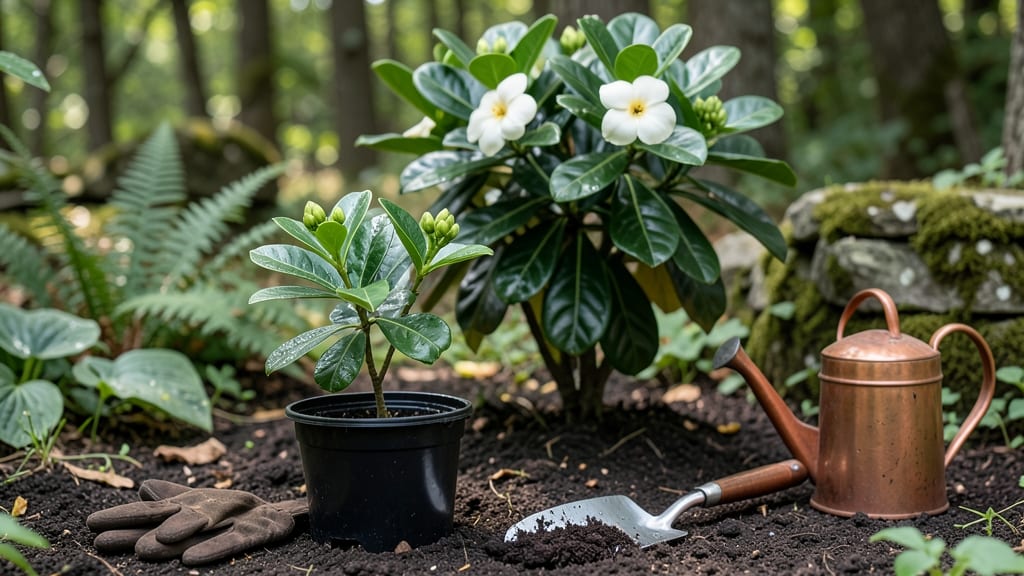
Plant gardenias in Texas after the last frost date in your zone — typically late February to early March for most of the state, but earlier in the Gulf Coast.
Texas gardeners know gardenias 🌸 thrive in warm climates—but planting them at the wrong time can mean struggling blooms or even plant death. Timing is everything for these fragrant shrubs, and Texas’ diverse zones demand a tailored approach.
If you’ve ever watched a gardenia wilt under a late frost or fail to bloom in scorching summer heat, you know the stakes. The right timing ensures strong roots before the heat sets in, setting up your shrub for years of fragrant blooms.
Below, I’ll break down the best months by zone, soil prep secrets, and how to protect your gardenias from Texas’ biggest threats—including heat stress and soil pH pitfalls.
Texas planting Zones for gardenias: months by hardiness and climate
Texas spans USDA Zones 6a-11, but gardenias thrive best in Zones 8-10 where frost is rare. The key to success? Planting after the last frost date and before summer’s brutal heat.
In North Texas (Zones 7-8), this means waiting until mid-April, while Gulf Coast gardeners (Zones 9-10) can plant as early as February. Even the Hill Country’s microclimates require careful timing to avoid heat stress.
Gardenias are frost-sensitive but surprisingly heat-tolerant once established. The challenge? Texas’ rapid temperature swings—plant too early in North Texas and a late frost will kill your shrub; plant too late in the Gulf Coast and summer’s intensity can shock young roots.
My hardy gardenia in Austin (Zone 8b) thrives when planted in late March, giving roots time to establish before June’s 100°F+ days.
Soil prep is just as critical as timing. Gardenias demand acidic soil (pH 5.0-6.0)—Texas’ alkaline soils need sulfur amendments or peat moss.
In North Texas, I mix in composted pine bark 4-6 weeks before planting to adjust pH. Gulf Coast gardeners can plant directly into amended beds as early as January, but Hill Country soils often need extra organic matter to retain moisture during summer droughts.
| Texas Region | USDA Zones | Last Frost Date | Optimal Planting Window | Soil Prep Start |
|---|---|---|---|---|
| North Texas | 7a-8b | Mid-March to April 15 | Late March to April 30 | February 15 (amend soil) |
| East Texas | 8a-9a | February 15 to March 15 | Late February to March 31 | January 1 (amend soil) |
| Gulf Coast | 9b-10a | January 15 to February 15 | February 1 to March 15 | December 1 (amend soil) |
| Hill Country | 8a-8b | Mid-March to April 1 | Late March to April 15 | February 1 (amend soil) |
In North Texas (Zones 7-8), gardenias need extra protection. I’ve seen Kleim’s Hardy varieties survive winters here, but they still benefit from mulching with pine straw after planting.
The 100-day window between last frost and summer’s peak (June-August) is tight—plant too early and frost zaps young growth; too late and roots struggle to establish before heat stress sets in.
Gulf Coast gardeners have more flexibility. Zones 9-10’s warmer winters allow planting as early as February, but I recommend waiting until mid-February to avoid unpredictable cold snaps. The real challenge here is humidity—gardenias hate soggy roots, so raised beds with drainage are a must.
My Houston gardenia thrives in a slightly elevated bed with sand amendments to prevent waterlogging.
Hill Country gardeners face a unique challenge: dry heat combined with calcareous soil. The solution? Plant in early April after soil temperatures exceed 60°F, and use container gardening if your soil tests above pH 7.0.
I’ve had success with dwarf varieties in 5-gallon pots filled with acidic potting mix, moving them to shaded patios during peak summer heat.
Pro tip: Use soil thermometers to monitor root zone temperatures. Gardenias struggle when soil temps exceed 85°F—this is especially critical in West Texas (Zone 8a), where summer soils can hit 100°F.
My Midland gardenia nearly died its first summer until I installed shade cloth and watered twice daily during heatwaves.
Remember: Container gardenias offer flexibility for all Texas zones. They can be planted anytime soil temps stay above 60°F, and you can move them to protected microclimates during extreme weather. Just ensure pots have drainage holes and use lightweight, acidic potting mix to prevent compaction.
For zone-specific guidance, consult the Texas A&M AgriLife Extension frost maps and contact your local Master Gardener program.
They’ll help you pinpoint exact frost dates and soil conditions in your specific microclimate—because even within Austin’s city limits, planting times can vary by two weeks depending on elevation and urban heat islands.
🌸
Signs you’re planting gardenias too early or late (and how to fix it)
Planting gardenias at the wrong time in Texas can turn your fragrant dream shrub into a struggling survivor. Yellowing leaves, stunted growth, or bud drop often signal timing mistakes. Even Texas’ mild winters can bring unexpected frosts, while early heatwaves can scorch young plants before they establish roots.
Gardenias thrive when planted after the last frost date but before summer’s intense heat. In North Texas (Zone 8a), this window is tight—typically March 1-15. Gulf Coast gardeners (Zone 9a-10b) have more flexibility, but even they risk stress if planted too early in February.
⚠️ Texas-Specific Warning Signs & Fixes
- 🌡️ Yellow leaves → Too early (cold stress). Wait until soil temps hit 60°F+.
- 🌱 Stunted growth → Late planting (heat shock). Plant by May 1 in South Texas.
- 🌸 Bud drop → Transplant shock. Acclimate potted plants for 7-10 days before planting.
Pro Tip: Use mulch (3-4 inches) to regulate soil temps and retain moisture during Texas’ erratic springs.
If you’ve already planted too early, don’t panic. Move potted gardenias to a protected microclimate (like against a south-facing wall) until temperatures stabilize. For late plantings, provide afternoon shade with shade cloth (30-50%) to ease heat stress during Texas’ brutal summers.
Monitor your gardenia’s new growth rate—healthy plants should grow 1-2 inches/month in spring. If growth stalls, check for root rot (from overwatering) or nutrient deficiency (common in alkaline Texas soil). Amend with peat moss or sulfur to lower pH to 5.0-6.0.
For Zone 8a gardeners, consider Kleim’s Hardy gardenia—a cold-hardy variety that tolerates brief dips to 15°F. This variety can handle early spring plantings (as early as February 15) with proper mulching.
Always test soil temps with a soil thermometer—gardenias need roots to warm up before top growth.
Adjust your planting schedule based on local weather anomalies. Check the Texas A&M AgriLife Extension for your county’s frost-free date updates.
A delayed frost in North Texas might push ideal planting to April 1, while an early heatwave in South Texas could require June plantings with extra shade support.