
Planting
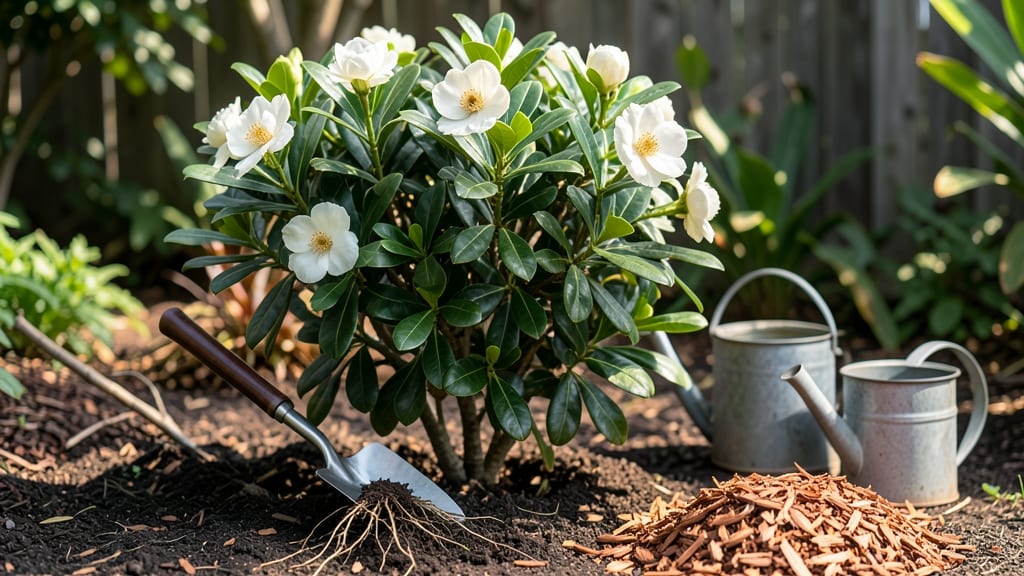
Planting gardenias at the right time ensures their fragrant blooms thrive 🌸—and the best time to plant gardenias is after your last frost, when soil temperatures hit 60°F+.
Gardenias are prized for their intoxicating fragrance and glossy dark-green foliage—but planting them at the wrong time can mean struggling with slow growth or even plant death. Timing is everything, and understanding your hardiness zone can make the difference between a thriving gardenia and a failed attempt.
In USDA Zones 6-10, aim for April to May (General Zone 6 default), but warmer climates like Florida or Southern California can start as early as March. The key is waiting until nighttime temperatures stay above 50°F—any earlier, and frost can shock the roots.
Below, I’ll break down the exact planting window for your zone, how to prep the soil for acidic-loving gardenias, and the 3 signs your gardenia is ready to go in the ground—so you can enjoy those signature white blooms all summer long.

When to plant gardenias by USDA hardiness Zones: exact timing guide
Gardenias thrive in warm climates, but their planting window shifts dramatically across USDA Zones 7-11. In colder zones (7-8), aim for late spring after frost risk passes, while tropical zones (9-11) allow fall planting with minimal stress.
The key? Soil temperatures above 60°F and no more frost dates in your forecast.
Your local last frost date is your best friend—plant gardenias 2-4 weeks after this date to let roots establish before summer heat. For example, in Zone 8, that’s typically mid-April to May, while Zone 10 gardeners can plant as late as September.
Fall planting in warm zones gives roots time to settle before winter rains arrive.
Here’s the zone-by-zone breakdown of ideal planting months, including soil temperature and moisture considerations to avoid transplant shock:
| USDA Zone | Best Planting Months | Soil Temp (°F) | Key Consideration | Avoid Planting If... |
|---|---|---|---|---|
| Zone 7 | Late April–May | 60°F+ | Frost-free for 2+ weeks | Night temps drop below 50°F |
| Zone 8 | Mid-April–June | 62°F+ | Humidity >50% | Late summer heatwaves |
| Zone 9 | March–May or Sept–Oct | 65°F+ | Evening shade in summer | Winter temps <40°F |
| Zone 10 | February–April or Sept–Nov | 68°F+ | Rainfall >20" annually | Drought conditions |
| Zone 11 | Year-round (best: Jan–Feb) | 70°F+ | Wind protection | Extreme heat (>95°F) |
Spring planting gives gardenias 6-8 weeks of warm weather to establish roots before summer’s peak. This is critical because gardenias hate transplant shock—their roots are delicate and need time to adapt.
In Zones 9-11, fall planting works because the risk of heat stress is lower, and winter rains help roots settle.
To calculate your last frost date, check your local USDA Plant Hardiness Zone Map or use a frost calculator like the one from the National Weather Service.
For example, if your Zone 8 area has a May 10 average last frost, wait until May 24 to plant—this gives roots 4 weeks to establish before summer’s intensity.
Why does fall planting work in warm zones? Gardenias enter a dormant-like state in winter, so planting in September-October (Zones 9-11) lets them focus on root growth without competing with summer heat.
Just ensure your soil stays moist but not soggy—gardenias despise waterlogged roots, which can lead to root rot.
Pro tip: If you’re in a transition zone (e.g., Zone 8b with unpredictable frosts), opt for container gardening. This lets you move potted gardenias indoors or to a garage during unexpected cold snaps. Use well-draining soil with a pH of
Signs it’s the perfect time to plant gardenias (beyond the calendar)
While calendar dates give a general idea, the best time to plant gardenias depends on your local climate and soil conditions. Gardenias thrive in warm soil temperatures (60°F+ or 15°C+), which is often weeks after your last frost date.
Even in USDA Zone 7 and above, rushing can lead to stunted growth or transplant shock.
Look for visual cues like bud formation on nursery plants—this signals they’ve adapted to warmer conditions. In my Zone 8 garden, I’ve learned to wait until I see new growth on container plants before transplanting, even if it’s slightly later than the "ideal" window.
Warning: Planting Too Early
Cold soil below 60°F (15°C) shocks roots and delays establishment. In Zones 6-7, I’ve seen gardenias planted in March fail while identical plants in April thrived—even though both were "after frost." Always check soil temp 1 inch deep with a thermometer.
Microclimates matter: A south-facing slope warms faster than a north-facing yard. Test multiple spots—gardenias need consistent warmth to avoid stress.
Check for moist but not soggy soil—gardenias hate "wet feet." Press your finger into the soil; if it feels damp but not sticky, it’s ready. In my humid Zone 9 garden, I’ve had to delay planting by weeks during rainy springs to prevent root rot.
Another key sign: leaves that perk up when you water them in the morning. Wilting leaves after watering mean the plant’s roots aren’t active yet—wait until they bounce back within hours. I test this by giving container plants a deep watering at dawn and checking them by noon.
For container gardenias, look for roots growing through drainage holes—this means they’re ready for transplanting. In my balcony garden, I’ve moved potted gardenias to the ground in late May when roots circled the pot twice, even though my calendar said "early spring."
Finally, trust your nose. Healthy gardenias emit a subtle sweet fragrance even before blooming. If your nursery plant smells strongly, it’s thriving and ready—plant it immediately. Weak or no scent? Wait another week or two.