
Planting
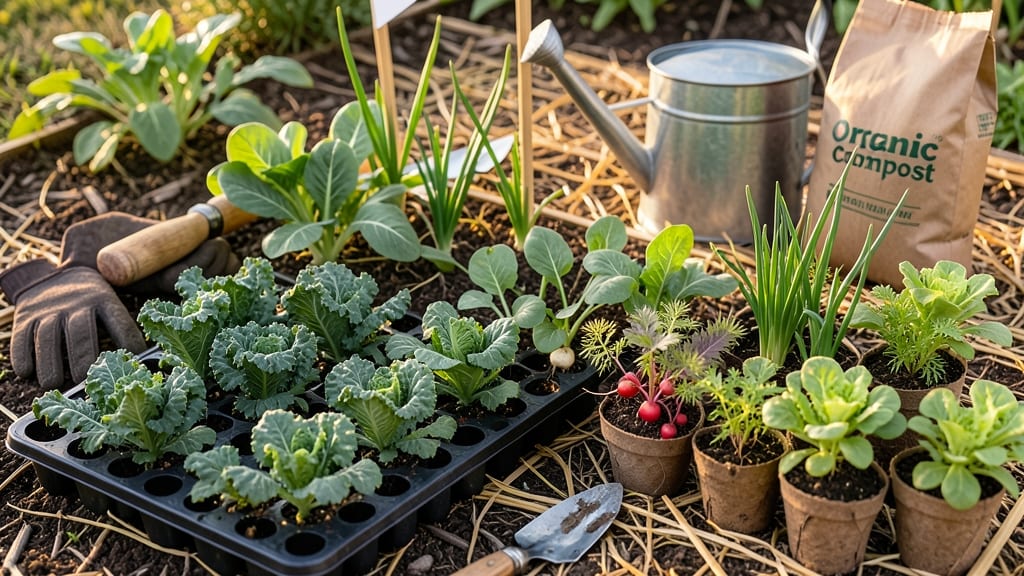
Planting a fall garden in South Texas means starting 6-8 weeks before your first frost—typically between mid-August and early October—to beat the heat and stretch your harvest.
South Texas gardeners face a unique challenge: scorching summers and unpredictable frost dates—but timing your 🌱 fall garden right can mean the difference between a bountiful harvest and a wasted effort.
This isn’t just about avoiding frost; it’s about working with the region’s long, hot summers. Too early, and your seedlings wilt in the 90°F+ afternoons. Too late, and you miss the window for heat-tolerant crops like okra and sweet potatoes.
Below, I’ll break down the exact planting windows by crop, frost-proofing strategies, and the top 5 heat-loving varieties that thrive in South Texas’ 9a-10a climate—so you can plan with confidence.
Optimal planting windows for South Texas fall gardens by crop type
South Texas gardeners know the drill: summers are brutal, and frost can sneak up faster than you think.
The key to a thriving fall garden lies in understanding when to plant based on your crop's heat tolerance. Heat-loving vegetables like okra and sweet potatoes can handle 90-95°F temps, while cool-season crops like kale and spinach need cooler air to thrive.
Timing is everything—get it wrong, and you'll either scorch your plants or watch them bolt before harvest.
Most South Texas gardeners fall into USDA Zones 9a-10a, where average first frost arrives around December 15. This means your planting window starts 6-8 weeks before frost, typically between mid-August and mid-October.
But not all crops fit this timeline—some need to go in earlier to mature before cooler temps set in, while others can wait until late September. Let’s break it down by crop type so you can plan with confidence.
🌱 Comparison Table: Optimal Planting Windows for South Texas Fall Gardens
For heat-tolerant crops like okra and sweet potatoes, I recommend planting in late July or early August. These plants thrive in the 90-95°F range and can handle the residual summer heat. Okra, for example, needs 50-65 days to mature, so planting by early August ensures you’ll harvest before frost.
Sweet potatoes, on the other hand, take 90-120 days, so they must go in the ground by early August to avoid stunted growth.
Cool-season crops like kale, spinach, and broccoli are far more finicky. They prefer 60-80°F temps and will bolt or turn bitter if planted too early. I’ve found that late August to mid-September is ideal for these.
Spinach, for instance, bolts in heat, so planting it in mid-September gives it a fighting chance to mature before cooler temps set in. Broccoli, meanwhile, needs 60-80 days to form heads, so late August plantings are your best bet.
One trick I’ve used in my own garden is to stagger plantings for cool-season crops. For example, I’ll sow a small batch of spinach in mid-September and another in early October.
This ensures a steady harvest as the weather cools. It’s also a great way to avoid the 30-day window where spinach might bolt if planted too early.
Don’t forget about black-eyed peas, which straddle the line between heat-tolerant and cool-season crops. They handle 80-90°F temps but won’t survive frost. Plant them in mid-August to early September for a harvest in 60-70 days.
I’ve had great success with the 'Purple Hull' variety, which thrives in South Texas’s heat and produces sweet, tender peas.
If you’re new to fall gard
South Texas-specific frost avoidance strategies for fall gardens
In South Texas, where summer heat lingers into October and frost can strike as early as mid-November, protecting your fall garden requires strategic planning. The key lies in leveraging microclimates—those warm pockets in your yard that retain heat longer than surrounding areas.
Urban heat islands, south-facing slopes, and even elevated garden beds can push back frost by 1-2 weeks, giving your plants precious extra time to mature.
One of my favorite tricks is planting near dark-colored surfaces like asphalt or brick walls, which absorb heat during the day and radiate it back at night. Even a simple black plastic mulch can raise soil temperatures by 5-10°F, creating a microclimate that mimics a warmer zone.
For container gardens, black pots absorb and retain heat better than terracotta, extending the growing season for heat-loving crops like okra or sweet potatoes.
⚠️ callout-warning ⚠️
Don't wait until September 15th to plant frost-sensitive crops! In USDA Zones 9a-10a, the 90-day window before average frost (Dec 15) closes by mid-October. Start heat-tolerant crops like collards or turnips by August 1st and cool-season crops like kale or lettuce by September 1st to ensure harvest before frost.
Pro Tip: Use a frost calendar (like Texas A&M's) to track your local first frost date—it can vary by 1-2 weeks from the average!
For extra protection, row covers are my go-to tool. Lightweight floating row covers (like Reemay fabric) can raise temperatures by 5-8°F and shield plants from light frost (down to 28°F). I’ve used them successfully with broccoli and cabbage in San Antonio, extending harvests into January.
Just remember to secure the edges tightly—even a 1-inch gap can let cold air seep in. For heavier frosts (25°F), add a clear plastic tunnel over your row cover to trap even more heat.
Succession planting is another game-changer in South Texas. Instead of planting all your leafy greens at once, stagger plantings every 2-3 weeks from mid-August to mid-September. This ensures a continuous harvest before frost hits.
For example, I plant bush beans in early August, spinach in late August, and radishes in early September—each matures just before the next crop needs space. It’s like a rolling harvest conveyor belt!
Don’t overlook the power of mulch either. A 4-inch layer of straw or wood chips insulates soil, keeping roots 5-10°F warmer than bare ground. I’ve seen carrots and beets survive 30°F nights when mulched properly.
Plus, mulch reduces water evaporation, which is critical when fall rains become sporadic. Just avoid piling mulch against plant stems to prevent rot.
Finally, monitor your garden’s microclimates like a hawk. Place a minimum-maximum thermometer in your warmest spot and your coolest spot—you’ll be surprised by the differences! In my Austin backyard, the elevated bed near the patio stays 3°F warmer than the shaded corner under the pecan tree.
Use this data to decide where to plant frost-sensitive crops like lettuce or herbs.