
Planting
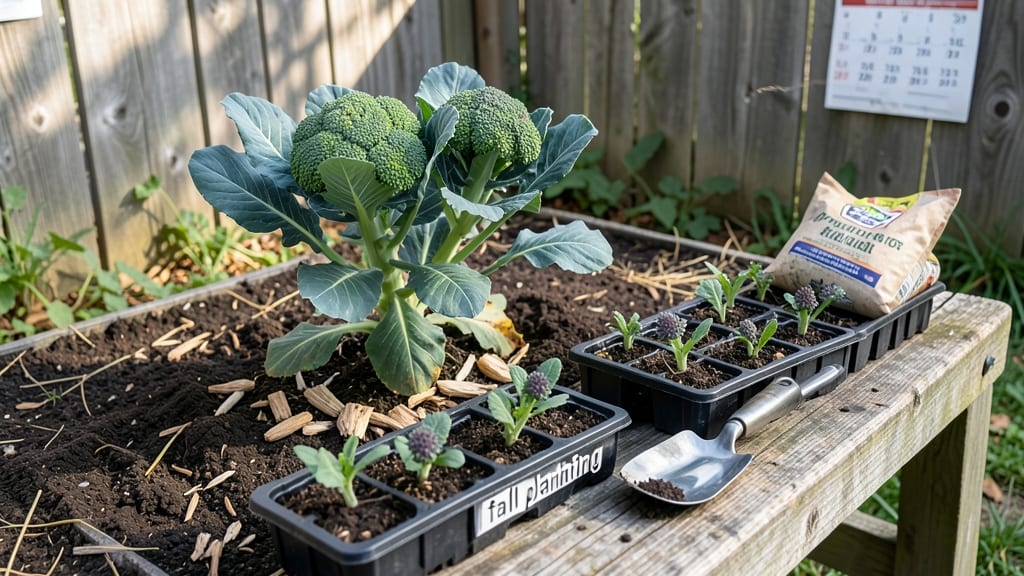
Planting your fall garden in North Texas between mid-August and mid-September sets you up for a harvest just before the first frost 🥬.
North Texas gardeners know the window between scorching summers and freezing winters is short—but planting at the right time can mean the difference between bumper crops and wasted effort. Timing everything perfectly ensures your vegetables thrive before the first frost hits.
This isn’t just about avoiding a late-season freeze; it’s about working with the 4-6 week window before your average first frost date of November 15. Too early, and your greens bolt in the heat. Too late, and your roots won’t mature before the cold sets in.
Below, I’ll break down the exact planting schedule for your zone, the best crops to grow, and how to adjust for North Texas’ unpredictable weather—so you can enjoy fresh kale, carrots, and broccoli straight from your garden all fall long.
North Texas fall planting timeline: month-by-month countdown to frost
North Texas gardeners face a critical 4-6 week window between summer's end and first frost to plant a successful fall garden. With USDA Zone 8a/8b conditions, your average first frost arrives between November 15-30, but timing varies yearly.
Plant too early, and heat stress stunts growth; too late, and crops won't mature before cold sets in.
My strategy? Start with heat-tolerant varieties in late summer, then transition to cool-season crops as temperatures drop. This phased approach maximizes your harvest potential while working with North Texas' unpredictable weather patterns. Let's break down the exact month-by-month planting schedule that's worked for me over five seasons.
📅 Key Dates to Remember:
- First frost average: November 15 (but can range October 25-November 30)
- Planting window: Mid-August to mid-September for most crops
- Soil temperature threshold: Below 70°F triggers cool-season planting
| Month | Planting Window | Ideal Crops | Temperature Range | Key Actions |
|---|---|---|---|---|
| Late July - Early August | Heat-loving crops | Okra, Southern peas, Malabar spinach | 85-95°F | Soil prep, mulch heavily |
| Mid-August | Early cool-season starters | Broccoli, Cabbage, Kale | 75-85°F | Direct sow seeds |
| Early September | Main planting window | Carrots, Lettuce, Spinach, Radishes | 65-75°F | Transplant seedlings, add compost |
| Mid-September | Late cool-season | Turnips, Collards, Green Onions | 60-70°F | Use row covers for protection |
| October | Succession planting | Arugula, Mustard Greens, Peas | 50-60°F | Monitor frost forecasts |
| November (early) | Emergency planting | Spinach, Lettuce, Radishes | 45-55°F | Use cold frames or cloches |
August is all about preparation. I start by testing soil pH (aim for 6.0-7.0 for most vegetables) and adding compost or aged manure to improve fertility.
For heat-tolerant crops like okra and southern peas, I direct sow seeds in the first two weeks of August when soil temperatures exceed 75°F. These varieties can handle our late summer heat better than cool-season crops.
By mid-August, I transition to broccoli, cabbage, and kale seedlings. These cool-season crops need to establish roots before temperatures drop below 70°F. I use shade cloth (30-50%) for the first week to protect young plants from afternoon heat.
This is also when I start succession planting every 2-3 weeks for continuous harvests.
September is peak planting month in North Texas. The first two weeks are ideal for carrots, lettuce, and spinach. I plant these at 14-day intervals to ensure a steady supply.
For radishes, which mature in just 25-30 days, I make final plantings by September 15 to harvest before frost. This month also marks my last chance to plant broccoli and cabbage from seed.
As we approach mid-September, I shift focus to turnips, collards, and green onions. These hardy crops can tolerate light frosts and often improve in flavor after exposure to 28-32°F temperatures.
I always have row covers on hand to protect these late-season plantings from unexpected cold snaps that can occur as early as October 15 in some years.
October brings succession planting for fast-maturing crops. I prioritize arugula, mustard greens, and peas during this month, planting every 10-14 days until October 20. This ensures I have fresh greens through Thanksgiving.
For peas, I use trellises to save space and improve air circulation, which reduces disease risk in our humid fall conditions.
The last two weeks of October are for emergency plantings only. If you're still craving fresh greens, spinach, lettuce, and radishes can be direct-sown with
How to adjust your planting schedule for North Texas’ unpredictable weather
North Texas’ weather can shift from 90°F heatwaves to 30°F frosts faster than you can say "harvest season." When planning your fall garden, these swings mean the difference between thriving crops and bolted lettuce.
The key? Flexibility—adjusting your schedule based on local microclimates (like Dallas’ urban heat islands vs. Lubbock’s dry winds) and real-time conditions.
Start by checking your average first frost date—typically November 15 for most of North Texas—but don’t rely on it blindly. In Dallas, urban areas can stay 5–10°F warmer than rural zones, delaying frost by a week or more.
Meanwhile, Lubbock’s high desert climate may see early frosts in mid-October in low-lying areas. Use local weather apps or CoCoRaHS data to track trends in your specific neighborhood.
⚠️ WARNING: Late Summer Heatwaves Can Ruin Your Fall Garden ⚠️
To beat the heat, use shade cloth over seedling trays or newly transplanted crops. A 30% shade cloth reduces soil temps by 10–15°F and cuts evaporation, while 50% cloth is ideal for Lubbock’s intense sun.
Pair this with drip irrigation (set to run early morning) to keep roots cool. For succession planting, stagger sowings every 2 weeks—this ensures a steady harvest even if an early frost hits.
Early frosts are another North Texas wildcard. If your area sees a 32°F dip in October, protect broccoli, cauliflower, and kale with frost blankets or row covers. These crops can tolerate light frosts (28–32°F), but heavy frost (below 28°F) will damage leaves.
For Dallas gardens, focus on hardier greens like collards or swiss chard, which survive down to 20°F with protection.
Water management is critical during North Texas’ erratic rainfall. After planting, water deeply 2–3 times per week (unless rain falls) to encourage deep root growth. Use mulch (straw or wood chips) to retain moisture and regulate soil temps.
In Lubbock’s dry climate, drip lines buried 1–2 inches deep reduce water waste. For Dallas gardens, where summer humidity lingers, avoid overhead watering after noon to prevent fungal diseases like downy mildew.
Finally, embrace succession planting to extend your harvest. Sow fast-maturing crops like radishes (25 days) or bush beans (50 days) every 2 weeks until mid-September. For slow growers like broccoli (80+ days), start seeds indoors in late July and transplant after August 15.
This strategy ensures you’re always harvesting something—even if early frosts limit your options.