
Planting
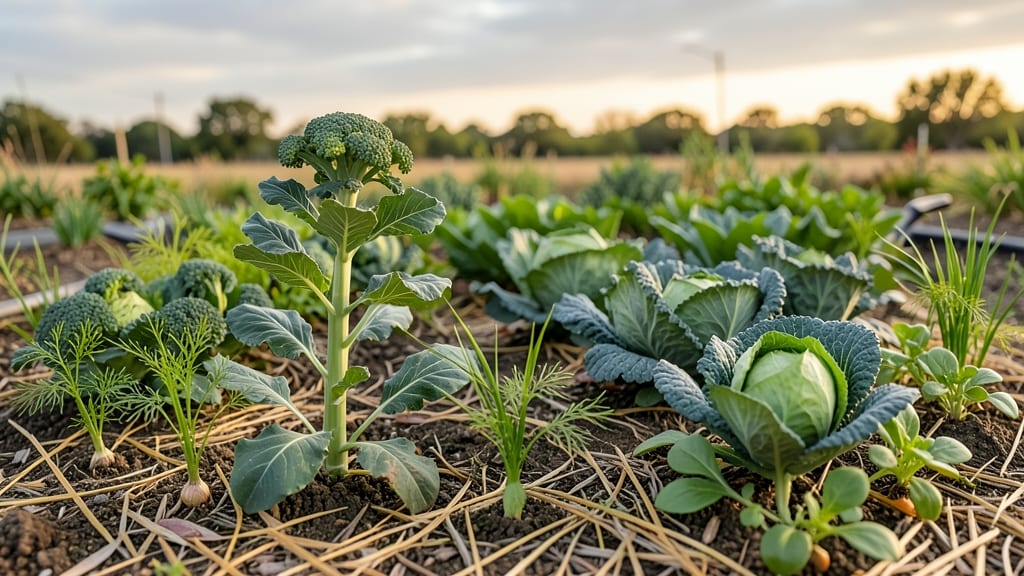
Planting a fall garden in South Texas after the brutal summer heat means catching the sweet spot between 90°F and frost—when the soil cools but the days stay long enough for heat-loving crops to thrive.
You’ve probably stared at your calendar in August, wondering if it’s too early to plant or too late by September, only to end up with wilted seedlings or a harvest cut short by an early freeze.
The key is knowing exactly when to start, which crops to prioritize, and how to stretch that window until December.
South Texas’s 9a-10a climate gives you a rare advantage: a 4-month growing window for fall vegetables like collards, sweet potatoes, and kale—if you time it right. Miss the mark, and you’re left with stunted plants or a garden that fizzles before the holidays.
Below, I’ll break down the ideal planting dates by crop, how to prep your soil for success, and the game-changing tricks (like row covers) to protect your harvest until the first frost. No more guesswork—just a bountiful fall garden that outlasts the heat.
Best planting dates for South Texas fall gardens (by crop type)
South Texas gardeners face a unique challenge: brutal summer heat followed by unpredictable fall frost dates. The key to a successful fall garden lies in understanding microclimate variations across Houston, San Antonio, and the Rio Grande Valley.
These regions share similar USDA Zones (9a-10a), but their last frost dates and soil temperature thresholds can differ by weeks.
For example, the Rio Grande Valley often enjoys 2-3 extra frost-free weeks compared to inland areas like San Antonio. This means your planting window in Brownsville might stretch into early November, while Austin's edge could see frost as early as late October.
Always check your local first frost average—typically December 1 for most of South Texas.
| Crop Type | Best Planting Window | Soil Temp Threshold (°F) | Days to Harvest | Notes for South Texas |
|---|---|---|---|---|
| Warm-Season Holdovers (Okra, Peppers, Eggplant) | Mid-August - Early September | 70°F+ (minimum) | 60-90 days | Plant heat-tolerant varieties like 'Jupiter' pepper or 'Clemson Spineless' okra. Use shade cloth if temps exceed 95°F. |
| Cool-Season Starters (Leafy Greens, Broccoli, Cabbage) | Late August - Mid-September | 60-65°F (ideal) | 30-60 days | Start seeds indoors in August for transplanting. 'Winterbor' kale and 'Top Bunch' broccoli thrive here. |
| Root Vegetables (Carrots, Beets, Turnips) | Early September - Late September | 55-60°F | 50-70 days | Loosen clay-heavy soils with compost. 'Danvers' carrots and 'Golden' beets perform well. |
| Brassicas (Cauliflower, Brussels Sprouts) | Mid-September - Early October | 50-55°F | 70-90 days | Use row covers to protect from early frosts. 'Snowball Y Improved' cauliflower is reliable. |
| Green Beans & Peas | Late September - Mid-October | 60°F+ | 50-60 days | 'Blue Lake' beans and 'Oregon Sugar Pod' peas handle mild South Texas winters. Plant near trees for windbreaks. |
Your last planting deadline depends on your crop's days to maturity and your region's average first frost. As a rule, plant leafy greens (like lettuce or spinach) 6-8 weeks before frost, while brassicas (like broccoli) need 10-12 weeks.
For the Rio Grande Valley, this pushes deadlines into early November, while San Antonio gardeners should aim for mid-October.
Soil temperature is just as critical as air temperature. Most cool-season crops struggle when soil stays above 70°F. Use a soil thermometer to monitor—ideal temps for fall planting hover between 55-65°F.
In Houston's humidity, this often means waiting until late August for direct seeding, even if air temps drop earlier.
Don't overlook succession planting for extending harvests. For example, sow bush beans every 2 weeks from September through October to enjoy fresh pods until December. Similarly, radishes mature in just 25 days, making them perfect for quick turnarounds between plantings.
Urban gardeners in San Antonio or Houston face additional challenges like limited space and heat-reflective surfaces. Opt for container-friendly crops like bush beans, dwarf broccoli, or 'Paris Market' carrots. Place containers on reflective surfaces (like white gravel) to reduce soil temps by 5-10°F during peak afternoons.
Protect your fall garden from unexpected frost using floating row covers or cold frames. These can push harvests 2-4 weeks later in Zone 9a.
For example, kale and collards actually sweeten with frost, so a light freeze can improve flavor—just cover them before temps drop below 28°F.
Remember: South Texas' fall garden success hinges on three key factors—timing, soil prep, and season extension. Start with <
How to extend your South Texas fall garden season (without frost damage)
Fall in South Texas is a gardener’s sweet spot—cooler temps, lower humidity, and fewer pests—but the real magic happens when you extend your harvest window past the first frost. With the right strategies, you can keep your garden producing well into December or even January in sheltered microclimates.
The key? Combining heat-resistant varieties, season-extending tools, and succession planting to outsmart the region’s unpredictable frost dates.
I’ve tested these methods in my own Zone 9b garden in San Antonio, and the difference between a garden that fizzles in November and one that thrives until Christmas comes down to timing, protection, and plant selection.
Let’s break down the top 5 strategies to keep your fall garden going strong, plus the most resilient crops for South Texas’ extended season.
- 1. Use floating row covers to protect tender crops from light frosts (28-32°F). These lightweight fabrics trap heat during the day and insulate at night—ideal for leafy greens and broccoli.
- 2. Build low cold frames (unheated boxes with clear lids) to add 5-10°F of warmth. Perfect for kale, carrots, and spinach in exposed areas.
- 3. Plant heat-tolerant varieties like 'Floriani' broccoli or 'Black Seeded Simpson' lettuce, which handle 85°F+ soil temps better than standard types.
- 4. Succession plant every 2 weeks from August through October to ensure a steady harvest. Fast growers like radishes and bok choy are perfect for this.
- 5. Mulch heavily with straw to regulate soil temps and retain moisture. Aim for 3-4 inches of mulch around root crops like beets and turnips.
For my garden, the game-changer was combining row covers with succession planting. I planted a final batch of 'Winter Density' lettuce in early October under a floating cover, and it lasted until mid-December—long after my unprotected plants bolted.
The secret? Start with fast-maturing varieties (50-60 days to harvest) and overlap plantings every 10-14 days.
Not all crops play well in South Texas’ extended fall. Here’s my ranked list of the most resilient picks, based on heat tolerance and frost hardiness:
- 1. Kale ('Lacinato' or 'Red Russian') – Thrives in 40-80°F and sweetens after frost.
- 2. Collard Greens – Handles 90°F soil and tastes better post-frost.
- 3. 'Floriani' Broccoli – Bolts slower than standard types in heat.
- 4. 'Black Seeded Simpson' Lettuce – Heat-resistant and bolt-resistant.
- 5. 'Red Fire' Turnips – Cold-hardy and fast-growing (30 days).
Pro tip: Pair your cold frames with a thermometer to monitor soil temps. In my Zone 9b garden, soil temps drop below 50°F by November, which stunts growth for many cool-season crops.
If temps dip below 45°F, switch to even more cold-hardy crops like garlic or onions for a winter harvest.
Remember, South Texas’ first frost average is December 1, but it can arrive as early as November 15 in inland areas. Stay ahead by planting frost-tolerant crops first (like spinach) and saving sensitive greens (like baby bok choy) for row covers.
With these strategies, you’ll turn your fall garden into a year-round producer—or at least until the holiday cactus steals all the attention! 🌱