
Tools
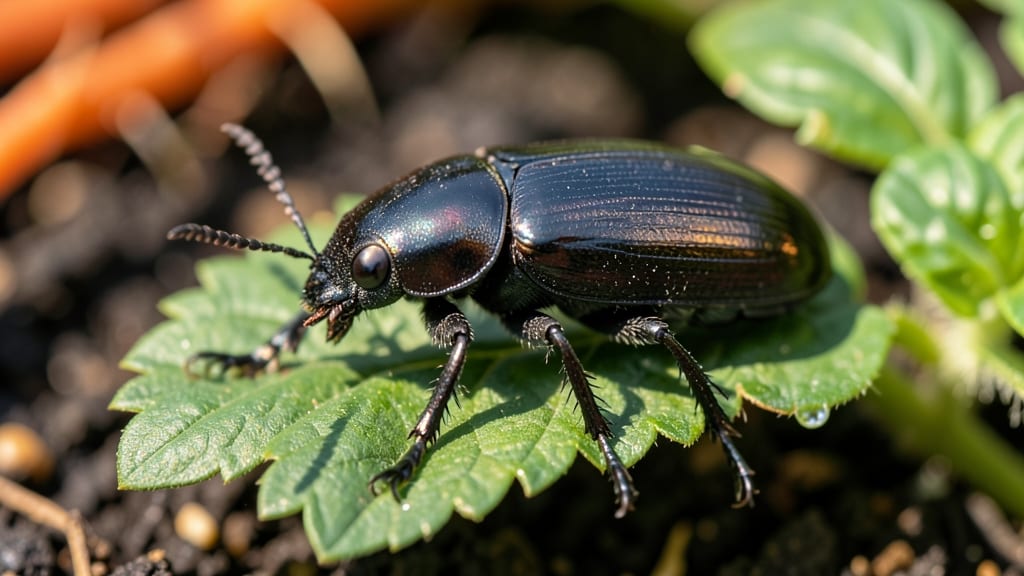
To keep bugs out of your vegetable garden without chemicals, try lightweight row covers that block pests while letting sunlight through.
Picture this: you’ve spent weeks tending to your 🌱 garden, only to watch aphids, cabbage worms, and squash bugs turn your hard work into a buffet. Chemical sprays might seem like the easy fix, but they can harm beneficial insects and leave residues on your produce.
Instead, row covers act as a breathable shield, keeping pests at bay while your plants thrive.
These covers aren’t just about protection—they’re a game-changer for organic gardeners. They work by physically blocking insects while allowing water, air, and sunlight to reach your plants. Whether you’re dealing with delicate seedlings or mature crops, the right cover can save your harvest without the guesswork.
In this guide, I’ll walk you through the best types of row covers, how to install them for maximum effectiveness, and even natural companion plants to pair with them. By the end, you’ll have a multi-layered defense that keeps your garden pest-free and your veggies flourishing.
Best chemical-free row covers to block garden pests effectively
When aphids, cabbage worms, and cucumber beetles threaten your vegetable garden, chemical sprays can feel like the only solution—but they’re not. The good news? Chemical-free row covers provide a safer, equally effective barrier that lets sunlight and water through while keeping pests out.
These lightweight fabrics act like invisible shields, protecting your plants without harming beneficial insects or the environment.
Not all row covers work the same way. Some are better for early spring protection against cool weather pests, while others excel at blocking flying insects during peak growing season. The key is choosing the right material based on your specific pests and plant types.
For example, spunbonded polyester offers superior durability, while lightweight floating covers are ideal for delicate crops like lettuce or spinach.
Let’s break down the top chemical-free row cover materials and their effectiveness against common garden pests. Understanding their breathability, durability, and UV resistance will help you make the best choice for your garden’s needs.
| Material | Pest Blocking Effectiveness | Breathability | Durability | Best For |
|---|---|---|---|---|
| Floating Row Covers (Polyethylene) | Excellent for aphids, cabbage worms, and flea beetles (95%+ block) | Moderate (allows 60-70% sunlight) | Low (1-2 seasons, degrades in UV) | Early season protection, leafy greens, broccoli |
| Spunbonded Polyester (Reemay) | Superior for cucumber beetles, tomato hornworms, and whiteflies (98%+ block) | High (allows 70-80% sunlight) | High (3-5 years, UV-resistant) | Long-term use, tomatoes, peppers, cucumbers |
| Lightweight Fabric (Cotton or Linen) | Good for large crawling pests (e.g., slugs, cutworms) (85% block) | Very High (allows 80-90% sunlight) | Low (1 season, not UV-resistant) | Heat-tolerant crops, squash, beans |
If you’re growing broccoli or cabbage, a floating row cover is your best bet for early spring protection against cabbage worms. These lightweight polyethylene covers block pests while still allowing 60-70% sunlight to reach your plants.
However, they degrade quickly under UV exposure, so they’re best for short-term use or paired with shade cloth.
For tomatoes and peppers, spunbonded polyester (often called Reemay) is the gold standard. It’s UV-resistant, lasts 3-5 years, and blocks 98% of pests, including tomato hornworms and whiteflies.
The trade-off? It’s slightly less breathable than floating covers, so you may need to lift it during heatwaves to prevent overheating.
For heat-loving crops like squash or beans, lightweight fabric covers (like cotton or linen) are ideal. They allow 80-90% sunlight through, making them perfect for warm climates. However, they’re not as effective against flying insects and degrade faster, so they’re best for short-term use or as a secondary barrier.
One common mistake gardeners make is choosing a cover based solely on pest-blocking claims without considering breathability. For example, a spunbonded polyester cover might block 98% of pests, but if it traps too much heat, your lettuce could bolt prematurely. Always check the sunlight permeability rating before purchasing.
Pro tip: Pair your row cover with stakes or hoops to create a floating tunnel. This keeps the cover off your plants, allowing for better airflow and preventing damage from wind. For cabbage-family plants, add ventilation slots during pollination to ensure cross-pollination if needed.
Finally, don’t forget to secure the edges of your row cover with soil or bricks to prevent pests from crawling underneath. A loose cover is like leaving the door open for aphids and cucumber beetles to march right in.
With the right material and proper installation, your row cover will become your garden’s first line of defense against pests—without a single chemical.
Step-by-step guide: installing row covers for maximum pest protection
Once you’ve chosen the right row cover material, proper installation is key to keeping pests out while protecting your plants. The goal is to create a snug, breathable barrier that blocks insects without suffocating your vegetables.
Start by measuring your garden beds carefully—row covers should extend 6-12 inches beyond the plant edges to prevent pests from sneaking underneath.
Choose a sunny, calm day for installation to avoid tangling covers in wind or overheating plants. Lightweight floating row covers (like spunbonded polyester) work best for most vegetables, but avoid heavy fabrics that can block too much light.
For taller plants like tomatoes or peppers, opt for hoop-style covers to maintain airflow and prevent heat buildup.
How to Install Row Covers
- Step 1: Lay covers flat over beds to check for even coverage. Adjust if gaps appear near plants or edges.
- Step 2: Secure corners with brass pins or rocks to prevent wind from lifting covers. Avoid staples—they can tear fabric.
- Step 3: For hoop-style covers, bend wire hoops into arches every 2-3 feet and drape fabric over them. Use clips to attach fabric to hoops.
- Step 4: Leave 1-2 inch gaps at plant bases for airflow. Use soft ties or fabric strips to anchor covers without damaging stems.
- Step 5: Remove covers during pollination periods (e.g., tomatoes, cucumbers) to allow bees access. Recover after flowering.
Pro Tip: Water plants before covering to reduce humidity buildup under fabric.
If your covers shift in wind or pests still invade, check for loose edges or tears. Reinforce weak spots with extra fabric strips or heavier-duty pins. For cabbage worms or flea beetles, ensure covers fully enclose plants—even a 1-inch gap lets pests slip through.
Adjust covers seasonally: remove them during hot summer days to prevent overheating (aim for 70-80°F under covers). In cool spring/fall, leave them on longer to extend growing seasons. Monitor plants weekly for yellowing leaves or stunted growth, which may signal suffocation or pest pressure.
With the right installation, row covers can eliminate 90% of pests while boosting yields. Pair them with companion plants like marigolds for extra protection, and always store covers clean and dry between seasons to prolong their life.