
Planting
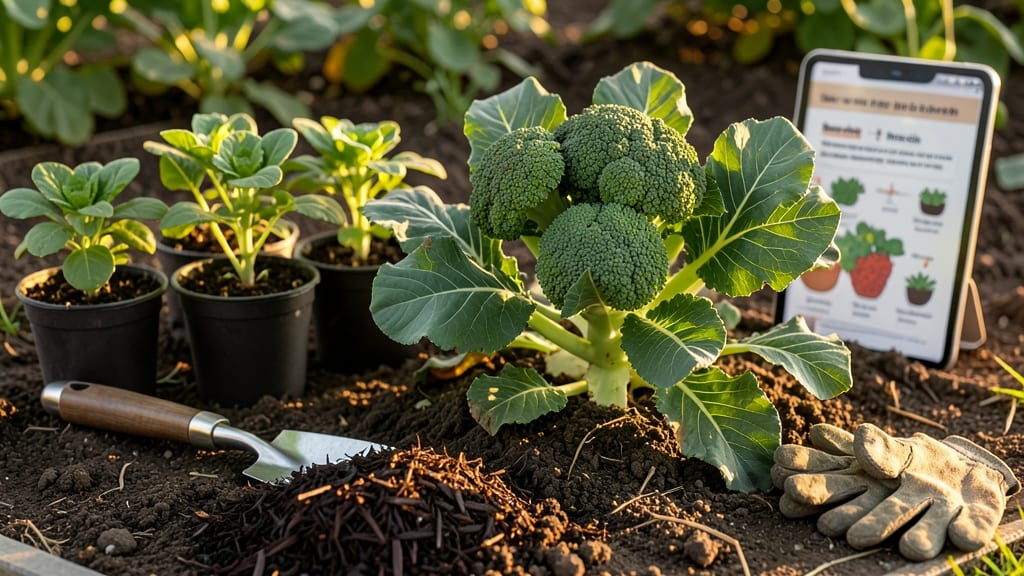
Planting your fall garden in Mississippi between late July and early October is the key to avoiding wilted seedlings and stunted crops before winter.
Mississippi’s long, hot summers can make fall gardening a game-changer—if you plant at the right time. Missing the window by even a week could mean wilted seedlings or stunted crops, but timing it perfectly unlocks a bounty of heat-tolerant vegetables before winter sets in.
With USDA Zones 8a-9a, your planting schedule hinges on soil temperature, frost risk, and the 6-8 week rule before the first frost (usually around November 15).
Below, I’ll break down the exact week-by-week deadlines for seeds, transplants, and soil prep—plus the top 10 heat-tolerant crops that thrive in Mississippi’s fall conditions.
Mississippi fall planting deadlines by crop type: exact weeks to start seeds and transplant
Mississippi’s USDA Zones 8a-9a give gardeners a 6-8 week window before the average November 15 frost. Timing is everything—plant too early, and your crops bolt in the heat; too late, and frost ruins your harvest.
I’ve broken down the exact weeks to start seeds indoors and transplant outdoors for heat-tolerant and cold-hardy crops that thrive in our climate.
For heat-loving crops like okra and sweet potatoes, you’ve got until mid-August to get seeds in the ground. Meanwhile, cool-season crops like broccoli and spinach need to go in by early October to mature before frost.
Let’s dive into the week-by-week deadlines so you can plan your fall garden like a pro.
| Crop Type | Start Seeds Indoors | Transplant Outdoors | Last Chance to Plant | Notes |
|---|---|---|---|---|
| Heat-Tolerant Vegetables | Late July | Early August | Mid-August | Okra, sweet potatoes, black-eyed peas |
| Leafy Greens | Early August | Mid-August | Early October | Collards, kale, spinach, Swiss chard |
| Root Vegetables | Mid-August | Late August | Late September | Turnips, carrots, beets, radishes |
| Brassicas | Late August | Early September | Mid-October | Broccoli, cabbage, Brussels sprouts |
| Herbs | Early August | Mid-August | Early October | Cilantro, dill, parsley, basil (heat-sensitive) |
| Flowers | Late July | Early August | Mid-September | Marigolds, pansies, snapdragons, zinnias |
Your first frost date in Mississippi typically hits around November 15, but don’t let that scare you off. Many cold-hardy crops can survive light frosts, while others, like okra and sweet potatoes, need to be harvested before temperatures dip below 50°F.
For example, collard greens actually sweeten up after a light frost, making them a favorite for fall harvests.
If you’re growing broccoli or cabbage, aim to transplant them by early September so they have 60-70 days to mature. These crops thrive in cool weather and can even handle a light frost, but planting too late risks stunted growth.
I recommend using row covers if you’re pushing the deadline to mid-October—they add 2-4°F of protection and extend your growing season.
For okra and sweet potatoes, time is critical. These heat-lovers need 90-120 days of warm weather to mature, so start seeds by late July and transplant by early August. If you miss this window, your plants may not produce before frost sets in.
I’ve had success with ‘Clemson Spineless’ okra, which tolerates Mississippi’s heat and humidity better than other varieties.
Don’t overlook herbs like cilantro and dill, which bolt quickly in the heat. Start these seeds by early August for a fall harvest.
If you wait until September, you’ll likely end up with bitter leaves or flowers instead of tender greens. Basil, on the other hand, is a bit more forgiving—plant it by mid-August and enjoy fresh leaves until the first frost.
Mississippi’s humidity and clay soil can make fall gardening tricky, but proper timing and soil prep make all the difference. Amend your soil with compost or aged manure before planting to improve drainage, and mulch around plants to retain moisture and regulate soil temperature.
This is especially important for root crops like carrots and beets, which need loose, well-draining soil to grow straight and tender.
Pro tip: Use shade cloth for young seedlings if you’re planting in late September. The sun can still be intense, and seedlings need time to establish roots before cooler weather sets in.
I’ve seen spinach and lettuce bolt within days if they’re exposed to too much heat after transplanting, so a little shade goes a long way.
Finally, keep an eye on your local microclimate. Urban areas can be 5-10°F warmer than rural spots, which might give you an extra week or two of growing
Heat-tolerant crops that thrive in Mississippi’s fall: best choices for long harvests
Mississippi’s fall heat can be brutal for many gardeners, but some heat-tolerant crops actually thrive during this season. These varieties not only survive but produce abundantly until the first frost. Choosing the right crops means longer harvests and higher yields—even as temperatures dip.
The key is selecting plants that handle humidity and warmth while resisting common fall pests like aphids and squash bugs.
I’ve grown these crops in my Mississippi garden for years, and they consistently deliver. From collard greens that sweeten after frost to yard-long beans that keep producing until December, these varieties are my go-to for a prolonged harvest.
The secret? Disease resistance and adaptability to our unique climate. Let’s dive into the top 10 heat-tolerant crops that will keep your table stocked well into fall.
- 1. Collard Greens – Disease-resistant, sweeter after frost, and thrives in 80-90°F temps. Variety: Vates.
- 2. Okra – Drought-tolerant and produces pods until first frost. Variety: Clemson Spineless.
- 3. Sweet Potatoes – Heat-loving and matures quickly. Variety: Beauregard.
- 4. Malabar Spinach – Tropical vine that grows in 90°F+ heat. Variety: Indian Spinach.
- 5. Yard-Long Beans – Prolific producer in heat, continues until December. Variety: Asparagus Bean.
- 6. Southern Peas (Cowpeas) – Drought-resistant and fixes nitrogen. Variety: Purple Hull.
- 7. Swiss Chard – Heat-tolerant and colorful. Variety: Bright Lights.
- 8. Eggplant – Thrives in heat and resists pests. Variety: Black Beauty.
- 9. Turnips – Fast-growing and cold-hardy. Variety: Purple Top White Globe.
- 10. Amaranth – Drought-resistant and edible greens. Variety: Red Garnet.
One of my favorite fall crops is Malabar spinach, a tropical vine that grows like crazy in Mississippi’s heat. Unlike traditional spinach, it won’t bolt in warm weather and keeps producing until frost. I’ve seen it reach 10 feet long in a single season!
Another standout is yard-long beans, which are drought-tolerant and continue bearing pods even as temperatures drop. These beans are a garden staple in my fall rotations because they outperform traditional green beans in heat.
For leafy greens, collard greens are a must-have. They not only survive but taste sweeter after a light frost. I’ve harvested collards well into December by protecting them with row covers on cold nights.
Similarly, Swiss chard holds up beautifully in heat and adds vibrant colors to my fall garden. Its thick stems store water, making it drought-resistant once established.
Don’t overlook southern peas (cowpeas), which are heat-loving and nitrogen-fixing. They improve soil health while producing edible pods and seeds. I plant Purple Hull varieties because they’re disease-resistant and thrive in Mississippi’s clay-heavy soil.
For a quick harvest, turnips are ideal—they mature in 30-40 days and can be eaten young or stored for later.
To maximize your fall harvest, focus on soil preparation and watering consistency. Mississippi’s clay soil can dry out quickly, so mulching is key. I use straw or wood chips to retain moisture and suppress weeds.
Additionally, rotate crops annually to prevent soil-borne diseases and keep your garden productive year after year.