
Tools
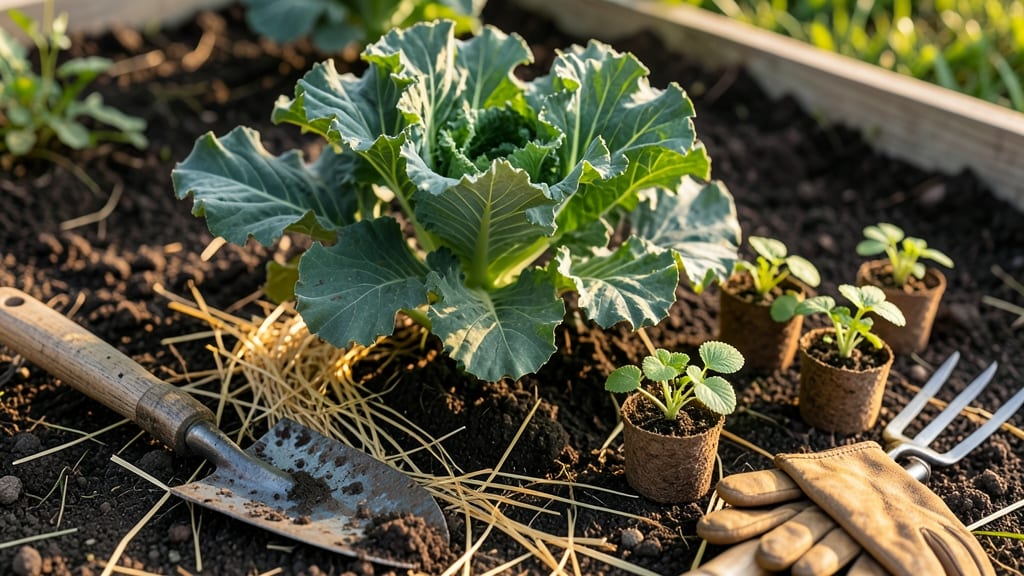
To start a fall garden, aim for 4-6 weeks before your first frost—a window that turns summer’s heat into crisp harvests of kale, carrots, and spinach 🥬.
Miss that deadline, and you’ll watch your seedlings bolt or shrivel under an early frost. But get it right, and you’ll enjoy fresh greens long after summer’s over. The key? Knowing your zone’s last frost date and adjusting for microclimates—like a sheltered spot that stays warmer than the official forecast.
This guide breaks down exact planting deadlines by USDA zone, plus tricks to push your season further with row covers and succession planting. No more guessing—just a foolproof timeline for zero-frost-risk crops.
You’ll learn how to read your soil’s temperature, spot common mistakes (like planting broccoli too late), and even extend your harvest into December with the right tools. Ready to turn your fall garden into a harvest goldmine?
Fall planting deadlines by USDA hardiness zone: zero-frost risk crops only
Getting your fall garden timed right means avoiding frost damage while maximizing harvests. Zero-frost-risk crops like spinach, kale, and radishes need precise planting windows—just 4-6 weeks before your first frost.
But here’s the catch: inland areas freeze earlier than coastal zones, and soil temperatures matter just as much as air temps. Let’s break down the last possible planting dates by zone, plus how to adjust for your microclimate. 🌱
For USDA Zones 3-10, I’ve mapped out deadlines based on average frost dates—but always check your local agricultural extension service for hyper-local adjustments.
Coastal regions (like Zone 7b in San Francisco) can plant 2-3 weeks later than inland areas just 50 miles away. Soil temperature is your secret weapon: aim for 40-50°F for most cool-season crops. Use a soil thermometer to verify before seeding. ⏰
| USDA Zone | Avg First Frost | Last Planting Date | Soil Temp Threshold | Coastal Adjustment | Example Crops | ||||||||||||||||||||||
|---|---|---|---|---|---|---|---|---|---|---|---|---|---|---|---|---|---|---|---|---|---|---|---|---|---|---|---|
| Zone 3 | Sept 20 | Aug 10-15 | 40-45°F | +7 days | Kale, Radishes, Spinach | ||||||||||||||||||||||
| Zone 4 | Oct 5 | Aug 25-30 | 45-50°F | +10 days | Lettuce, Swiss Chard, Turnips | ||||||||||||||||||||||
| Zone 5 | Oct 15 | Sept 5-10 | 50-55°F | +12 days | Broccoli, Carrots, Peas | ||||||||||||||||||||||
| Zone 6 | Oct 30 | Sept 15-20 | 55-60°F | +14 days | Cabbage, Beets, Arugula | ||||||||||||||||||||||
| Zone 7 | Nov 10 | Sept 30-Oct 5 | 60-65°F | +10 days | Spinach, Radishes, Green Onions | ||||||||||||||||||||||
| Zone 8 | Nov 25 | Oct 15-20 | 65-70°F | +7 days | Lettuce, Mustard Greens, Collards | ||||||||||||||||||||||
| Zone 9 | Dec 10 |
How to extend your fall garden season without risking frost damageFrost can turn your fall harvest from abundant to anemic in days—but with the right strategies, you can push your planting window by 4-6 weeks without risking damage. The key is combining physical protection with smart planting choices. I’ve tested these methods in my Zone 6a garden, and they’ve added 30-45 days of growing time for crops like kale and radishes. Your first line of defense is succession planting, which means staggering plantings every 10-14 days to ensure a continuous harvest. For example, in my garden, I plant spinach in early August, then again in mid-September to catch the tail end of the season before hard frost hits. This works best for fast-maturing crops like lettuce (30-40 days) and radishes (25-30 days). Low tunnels are my go-to for extending the season—they raise temperatures by 5-10°F and create a microclimate that shields plants from light frosts (28-32°F). I use hoop houses with frost fabric (not plastic) to allow airflow and prevent condensation. For heavier frosts (below 28°F), I add a row cover over the tunnel. The trade-off? They require staking for tall plants like broccoli and need removal during daytime to prevent overheating. 🌱 Frost Protection Methods Compared
For organic growers, I recommend straw mulch (6-8 inches thick) around the base of plants—it insulates roots and adds 2-4°F of protection. Pair it with cold-hardy varieties like ‘Winterbor’ kale or ‘Purple Top’ turnips, which tolerate 15-20°F without damage. These varieties are my top performers in late fall, often surviving until December in my Zone 6a climate. Timing is everything—plant broccoli and cabbage by mid-August (they need 60-80 days to mature) and leafy greens like spinach or arugula by early September (they mature in 30-40 days). Use a soil thermometer to ensure temperatures stay above 40°F—cold soil slows germination and stunts growth. I’ve also found that black plastic mulch warms soil faster than bare earth, giving seeds a head start in cooler microclimates. Don’t forget to harvest strategically—pick leafy greens before hard frost (25°F) by cutting outer leaves to encourage regrowth. For root crops like carrots or beets, pull them before the ground freezes. In my garden, I’ve added 10-15 extra days of harvest time by combining row covers with succession planting, and the difference in yield is noticeable. |