
Picking
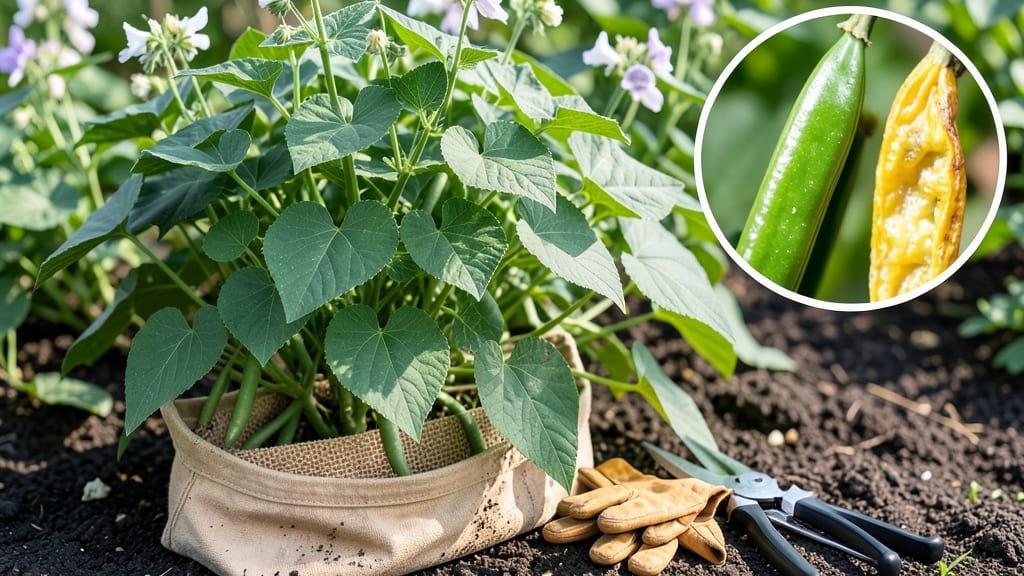
Picking green beans from your garden at the right time ensures they stay tender, sweet, and full of that classic crunch 🌱 — and missing the window means tough, stringy pods that ruin even the best dish.
Harvesting too early or too late can turn your labor into disappointment, but the key is in the details: size, color, and texture all signal when it’s time to grab those pods.
In this guide, I’ll walk you through the three foolproof signs that your green beans are ready, how often you should check your plants, and the common mistakes that turn crisp beans into chewy ones.
By the end, you’ll know exactly when to reach for your basket and how to keep your plants producing all season long.


3 Visual signs green beans are ready for picking (with photos)
Knowing exactly when to harvest your green beans transforms your garden from a source of disappointment to a treasure trove of crisp, flavorful pods. The difference between peak sweetness and tough, stringy beans often comes down to these three simple visual cues that every gardener should watch for.
Whether you're growing bush beans or pole beans, these signs apply universally to ensure you're picking at the perfect moment.
First-time growers often make the mistake of waiting too long, thinking bigger beans mean better flavor. In reality, over-mature beans develop thick skins, prominent seeds, and a woody texture that ruins the delicate taste we all love.
The key is to harvest when pods are 4-6 inches long—this is the sweet spot where flavor and texture align perfectly.
For pole bean varieties, this might mean checking pods higher up on the vine, while bush beans typically produce pods at a more accessible height near the plant's base.
Here’s a quick reference to help you spot the perfect moment to pick, including how these signs differ slightly between bush and pole varieties:
| Sign | Bush Beans | Pole Beans | Action |
|---|---|---|---|
| Pod Length | 4-5 inches | 5-6 inches | Pick when pods reach ideal length |
| Pod Color | Bright, glossy green | Uniform green | Avoid pale or yellowing pods |
| Seed Visibility | Seeds visible but small | Seeds visible but not prominent | Harvest before seeds bulge |
| Pod Texture | Firm but slightly tender | Crisp with slight give | Snap test: bend gently |
The color of your green beans is another critical clue. Look for pods that are bright, uniform green with a slight gloss. Any pods that appear pale, yellowing, or have brown spots should be picked immediately and used (or composted) rather than left on the plant.
These signs indicate the bean is either overripe or stressed, which can affect the entire plant's productivity. For heirloom varieties, this color consistency is especially important, as some types may develop subtle color variations as they mature.
Don’t overlook the seed development inside the pod—this is where many gardeners go wrong. When your green beans are ready for picking, the seeds inside should be visible but not overly prominent. If you can see large, rounded seeds through the pod’s skin, it’s past the ideal time.
For pole beans, this might mean checking pods higher up on the vine where they mature slightly later than those near the base. The goal is to harvest when the seeds are just beginning to form, ensuring the pod remains tender and sweet.
A simple snap test can save you from picking beans that are still too young. Gently bend a pod—if it snaps easily with a slight bend, it’s ready. If it resists or feels rubbery, give it a few more days.
For bush beans, this test is especially useful because pods mature quickly and can go from perfect to overripe in just 24 hours. Pole beans tend to have a slightly longer window, but the same principle applies: the sooner you pick, the better the flavor.
One common mistake I see in my own garden is assuming all green beans mature at the same rate. In reality, pole beans often produce pods that take 5-7 days longer to reach peak maturity compared to bush varieties.
This is why I always check the top third of the vine first for pole beans, as those pods tend to mature last. For bush beans, focus on the lower pods since they’re the first to ripen.
This targeted approach ensures you’re not missing any pods that are ready to pick while others are still developing.
Timing your harvests correctly also encourages your green bean plants to produce more pods. When you consistently pick at the right moment, the plant redirects its energy toward producing new flowers and pods rather than letting existing ones over-mature.
This is especially true for bush bean varieties, which have a shorter productive window. For pole beans, this continuous production can extend your harvest season by several weeks, giving you a steady supply of fresh pods.
If you’re growing multiple varieties, keep a small notebook nearby to track which pods are ripening fastest. Some heirloom varieties like 'Blue Lake' or 'Kentucky Wonder' mature more quickly than others, like 'Contender' or 'Rattlesnake.' By noting these differences, you can create a personalized harvest schedule that maximizes your yield.
And remember, the more frequently you pick, the more your plants will reward you with fresh, tender pods throughout the season.
Finally, always harvest your green beans in the morning when they’re cool and crisp. This is when their natural sugars are at their peak, and the pods are firmest.
If you’ve missed the morning window, avoid picking beans that have been sitting in the hot afternoon sun, as they’ll be tougher and less flavorful. With these visual cues in mind, you’ll never again wonder when to pick green beans—just watch for the perfect combination of size, color,
How often to pick green beans for maximum yield and plant health
Green beans thrive when you follow a consistent harvesting schedule, but the right frequency depends on whether you're growing bush beans or pole beans. Bush beans produce all their pods at once, while pole beans offer a steady supply—so their needs differ.
I’ve learned that picking at the right intervals keeps plants productive and prevents them from becoming overloaded.
For bush bean varieties, I recommend harvesting every 2-3 days once pods appear. These plants produce a single flush of beans, so frequent picking encourages more pods to form.
Meanwhile, pole beans continue producing over weeks, so I harvest them every 1-2 days to maintain steady growth. Skipping harvests can lead to tough, stringy beans and reduced future yields.
- 📅 Bush Beans: Pick every 2-3 days once pods form (all at once). Stop when pods turn yellow.
- 📅 Pole Beans: Harvest every 1-2 days for continuous production. Focus on younger pods first.
- ⏰ Best Time: Morning hours when pods are cool and crisp. Avoid harvesting in extreme heat.
- 🌿 Encourage More Pods: Trim 10% of oldest pods weekly to redirect energy to new growth.
- ⚠️ Stop Picking: When pods turn yellow or seeds swell inside—this signals the plant to focus on seed maturation.
To keep your green beans producing like a well-oiled machine, I’ve found that morning harvests work best. The cooler temperatures preserve pod crispness, and you avoid the afternoon heat that can make beans rubbery.
I also make it a habit to check plants daily during peak production—this ensures I never miss the perfect window for picking.
One trick I’ve picked up from experienced gardeners is to harvest the youngest pods first. This encourages the plant to produce more beans, as it redirects energy toward new growth.
If you notice pods starting to bulge with seeds or turn yellow, it’s time to let the plant mature seeds for next year’s harvest. This usually happens in late summer or early fall, depending on your climate.
If you’re growing green beans for seed saving, allow a few pods to fully mature on the plant. Once they turn yellow and dry out, you can collect the seeds for future planting.
This is especially useful if you’ve grown heirloom varieties you want to preserve. Just be sure to label your plants so you don’t accidentally harvest seeds from hybrid varieties.
Finally, don’t forget that consistent care goes hand-in-hand with regular harvesting. Water deeply after picking to replenish moisture, and consider adding a light mulch to retain soil moisture and keep roots cool.
With the right balance of picking and care, your green bean plants will reward you with a bountiful harvest all season long. 🌱