
Planting
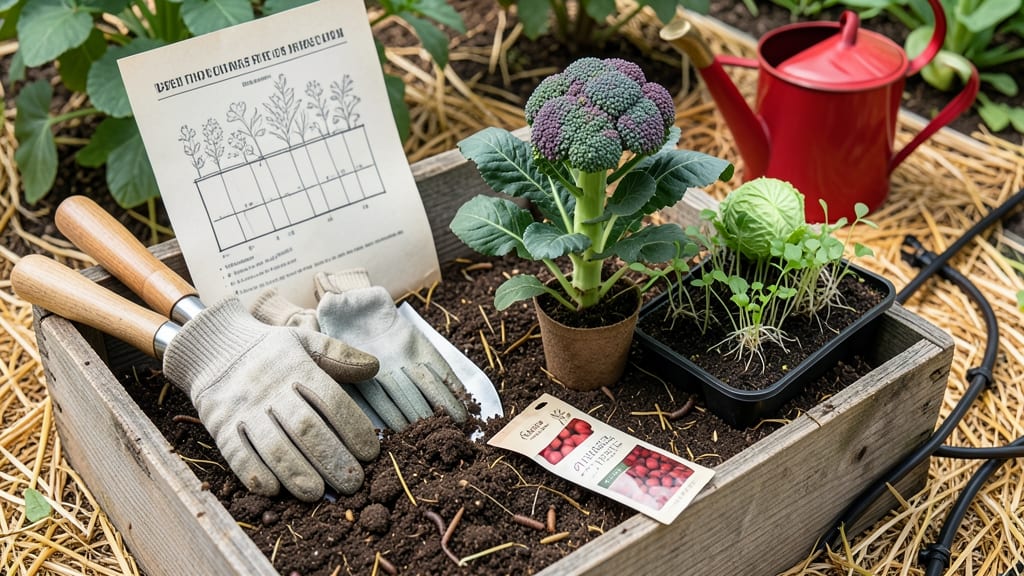
Planting a fall garden in Florida demands precision—timing matters more than you’d think, especially when August through October is your only shot at beating the heat before the cooler months arrive.
Florida’s unpredictable weather can make timing your fall garden a high-stakes game—plant too early and risk heat stress, too late and face frost. But with Florida’s 67 counties spanning 10 distinct microclimates, the "perfect" planting window varies wildly from the Panhandle to the Keys.
In this guide, we’ll break down the exact deadlines for your county, whether you’re in frost-prone North Florida or frost-free South Florida, so you can align your planting with the 300+ frost-free days that define the Sunshine State.
You’ll learn which heat-tolerant crops like tomatoes and peppers thrive in early fall, how to adjust for erratic weather, and the best spacing and soil prep tricks to maximize your harvest before the season shifts.
Florida’s fall planting deadlines by microclimate zone (with county-specific heat tolerance charts)
Florida’s fall gardening success hinges on understanding your USDA zone and county-specific heat tolerance. While most of Florida avoids frost, North Florida (Zones 8a-8b) can see light freezes by mid-November, while South Florida (Zones 10a-11) stays warm year-round.
The key is planting heat-sensitive crops like tomatoes and peppers early enough to mature before September’s lingering heat, while cooler-tolerant greens can wait until late September or October.
Here’s the critical rule: Plant heat-loving crops (tomatoes, peppers, squash) by August 15 in North Florida and by September 1 in Central/South Florida. For cool-season crops (kale, radishes, carrots), aim for September 15–October 15 in cooler zones, or October 1–November 1 in the Keys.
Timing these windows ensures your garden thrives without heat stress or premature bolting.
Below is a county-by-county comparison of optimal planting windows, first-frost dates (where applicable), and crop-specific heat tolerance thresholds. Use this to tailor your fall garden to your exact microclimate.
Pro Tip: Always check your local frost-free dates via the UF/IFAS Extension for your county. Even a 2–3°F dip can damage tender greens like lettuce or spinach in North Florida.
| Region | USDA Zone | First Frost Date (Avg.) | Heat-Sensitive Crops Deadline | Cool-Season Crops Window | Key Counties |
|---|---|---|---|---|---|
| North Florida | 8a-8b | Mid-November (light frost) | August 1–15 | September 15–October 15 | Bay, Jackson, Gadsden, Madison |
| Central Florida | 9a-9b | Rare (December) | August 15–September 1 | September 15–November 1 | Hillsborough, Orange, Polk, Lake |
| South Florida | 10a-11 | Never (tropical) | September 1–15 | October 1–December 1 | Miami-Dade, Broward, Palm Beach |
| Panhandle | 8a-8b | Late November | July 30–August 15 | September 1–October 10 | Okaloosa, Escambia, Santa Rosa |
| Central East | 9a | December (rare) | August 15–September 1 | September 15–November 15 | Brevard, Volusia, Seminole |
Notice how North Florida’s frost risk shortens the window for cool-season crops? In Zone 8a counties, you must plant kale or spinach by October 1 to avoid frost damage. Meanwhile, South Florida gardeners can enjoy fall harvests well into December with minimal risk.
Always prioritize heat-tolerant varieties like ‘Florida Broadleaf’ lettuce or ‘Seminole’ squash for regions with lingering summer heat.
Heat-sensitive crops (tomatoes, peppers, eggplants) need soil temps below 85°F to thrive. Use a soil thermometer to monitor—if temps stay above 90°F for more than 3 days, delay planting or provide afternoon shade cloth. For cool-season crops, aim for soil temps between 60–75°F for optimal germination.
In Central Florida (Zones 9a-9b), where frost is rare but heat lingers, focus on transplanting seedlings rather than direct sowing. Start tomatoes and peppers indoors by July 15 to have hardened-off plants ready by August 15.
For leafy greens, succession plant every 2 weeks from September through November to stretch your harvest.
Don’t overlook microclimate variations within counties. Urban areas like Miami or Orlando often experience urban heat islands, delaying frost by 2–4 weeks compared to rural zones. If you’re in a coastal county, you may have a 1–2 week advantage due to moderating ocean breezes.
Always scout your neighbors’ gardens—their plants’ progress is your best real-time guide.
For county
How to adjust planting dates for Florida’s unpredictable weather patterns (heat waves & early frosts)
Florida’s fall gardening season is a delicate balance between escaping summer’s brutal heat and avoiding rare early frosts—especially in the Panhandle. Even in South Florida, where frost is almost unheard of, heat waves can linger into October, stressing heat-sensitive crops like lettuce and radishes.
The key? Flexible planting strategies that account for soil temperature, heat advisories, and your local microclimate.
Start by monitoring soil temperatures with a soil thermometer—ideal ranges for fall crops hover between 60°F and 75°F. If your soil runs hotter than 80°F, delay planting heat-sensitive crops like bush beans or cabbage until late August or early September.
For South Florida, where heat can persist, consider shade cloth to protect seedlings from midday sun.
Another critical tool is the National Weather Service’s heat alerts. Sign up for local alerts to adjust your planting timeline if a 90°F+ heat wave is forecasted.
For example, if a heat wave hits in early September, delay planting cool-season crops like kale or spinach by 2–3 weeks to avoid bolting (premature flowering).
⚠️ Common Mistake Alert: Planting Too Late in South Florida
Squash, cucumbers, and melons planted after mid-September in South Florida often struggle to mature before cooler temps slow growth. These crops need 70–90 days to harvest, and late plantings risk poor yields or bitter fruit. Instead, opt for heat-tolerant varieties like ‘Southern Curly’ okra or ‘Black Beauty’ zucchini, which thrive in 85°F+ soil.
For North Florida, where early frosts can dip below 32°F as early as November, prioritize fast-maturing crops like radishes (25 days) or turnips (30 days). Use row covers to extend the season for broccoli or cabbage, which can tolerate light frosts.
In Central Florida, where frosts are rare but possible, focus on heat-tolerant greens like ‘Florida Broadleaf’ collards or ‘Seminole’ pumpkins.
Pro tip: Plant successive crops every 2–3 weeks to stagger harvests. For example, sow lettuce in early August, again in late August, and once more in early September.
This ensures a steady supply while accounting for Florida’s unpredictable weather shifts. Always check UF/IFAS Extension resources for your county’s latest frost-free date updates.
Finally, keep an eye on moisture levels. Florida’s fall season can bring dry spells or sudden downpours. Use drip irrigation to maintain consistent soil moisture without overwatering. Mulch with straw or pine needles to regulate soil temperature and retain humidity—critical for seedling survival during erratic weather.