
Planting
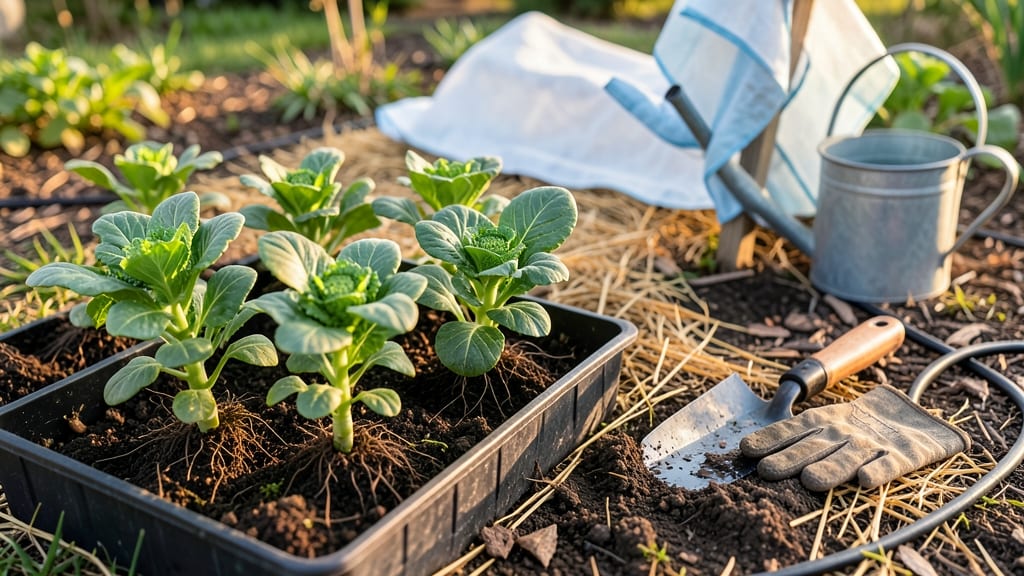
Planting a winter garden in Florida means timing your seeds for mild temperatures and zero-frost conditions—but even here, the clock is ticking.
Florida’s mild winters create a unique opportunity to grow thriving vegetable gardens—but timing is everything. Plant too early, and your crops face unexpected cold snaps; too late, and you miss peak harvests.
With no frost to worry about in most zones, the real challenge is balancing heat tolerance and seasonal shifts. Whether you’re in the Panhandle or the Keys, the right window ensures your 🥬 winter veggies thrive without stress.
Below, I break down the exact planting windows by microclimate, plus how to adjust for Florida’s unpredictable weather—so you harvest at the perfect moment.
Florida’s 5 microclimates and their ideal winter planting windows
Florida’s winter gardens thrive year-round, but microclimate differences mean planting windows vary dramatically. From the Panhandle’s chilly nights to the Keys’ balmy breezes, each region demands precise timing. I’ll break down the exact months to plant zero-frost crops like broccoli, kale, and carrots—plus how to adapt for unpredictable weather.
North Florida’s Panhandle (Zone 8a) faces occasional light frosts, while Central Florida (Zone 9a) enjoys near-perfect winter growing conditions. South Florida and the Gulf Coast (Zone 10a) rarely dip below 50°F, while the Florida Keys (Zone 11) offer frost-free winters year-round.
These differences mean your neighbor’s perfectly timed winter garden might fail in your backyard if you plant at the wrong time.
Below, I’ve mapped out optimal planting windows for each microclimate, including cold-hardy crops that thrive in Florida’s winter chill. Use this as your personalized planting calendar to maximize yields and avoid common mistakes like bolting lettuce or stunted greens.
| Microclimate | Planting Window | Cold-Hardy Crops | Soil Temp (°F) | Key Tip |
|---|---|---|---|---|
| North Florida (Panhandle) | Late August–Early October | Broccoli, Kale, Carrots, Spinach | 60–75°F | Use row covers for light frost protection. |
| Central Florida | September–November | Collards, Turnips, Radishes, Lettuce | 65–80°F | Avoid overwatering—soil stays warm longer. |
| South Florida | October–December | Peas, Beets, Swiss Chard, Arugula | 70–85°F | Plant shade-tolerant varieties near trees. |
| Gulf Coast | September–January | Cabbage, Brussels Sprouts, Mustard Greens | 68–82°F | Watch for humidity-related diseases. |
| Florida Keys | Year-round (peak: Dec–Feb) | Green Onions, Cilantro, Microgreens | 75–90°F | Use drip irrigation to conserve water. |
In North Florida’s Panhandle, where temperatures can dip into the 30s°F, start broccoli and kale by late August to establish roots before winter. These cold-hardy crops tolerate brief chills but need well-draining soil to avoid rot.
I’ve planted ‘De Cicco’ broccoli here for years—it thrives even when other varieties bolt.
Central Florida’s Zone 9a is the sweet spot for winter gardening. Here, collards and turnips planted in September will be ready for harvest by November. The key is soil temperature: aim for 65°F or higher to prevent stunted growth.
I test soil temps with a digital thermometer before sowing seeds—it’s a game-changer for consistency.
South Florida and the Gulf Coast offer longer growing seasons, but humidity and heat spikes can stress crops. Plant peas and beets in October to avoid summer’s intensity.
These areas benefit from afternoon shade to prevent bolting in lettuce. I’ve had success with ‘Florida Broadleaf’ peas, which handle the heat better than northern varieties.
The Florida Keys’ frost-free climate lets you grow microgreens and green onions year-round, but winter (December–February) is ideal for slow-growing crops. Use
How to adjust planting dates for unpredictable Florida weather
Florida’s winter weather can be as unpredictable as a summer afternoon storm. While most of the state avoids hard frosts, late cold snaps in Zone 8a or unexpected heat spikes in South Florida can derail your winter garden.
The key is flexibility—adjusting planting dates based on real-time forecasts and seasonal trends rather than rigid calendars.
I’ve learned the hard way that planting broccoli in late October might work in Central Florida, but the same seeds could bolt in South Florida’s 75°F winter days.
The solution? Use heat-tolerant varieties, row covers, and succession planting to stretch your growing season safely. Let’s break down how to stay ahead of Florida’s weather whims.
Even in frost-free zones, Zone 8a (North Florida) can see 28°F dips—enough to kill tender greens like lettuce or spinach. Always check the National Weather Service for 10-day forecasts before planting cool-season crops. If a cold front is predicted, delay planting by 2-4 weeks or use floating row covers for protection.
Start by selecting heat-tolerant varieties like Florida Broadleaf or Vates collards, which thrive in 70-85°F ranges. These varieties can handle South Florida’s mild winters while still producing harvestable yields.
For North Florida, opt for cold-hardy options like Mustard Greens or Turnips, which tolerate 30-35°F temperatures with minimal damage.
Extend your season with row covers or low tunnels. These simple tools can raise soil temperatures by 5-10°F, giving delicate crops like bok choy or radishes a fighting chance in unpredictable winters.
I’ve seen lettuce grow twice as fast under a floating row cover during cool snaps. Just remember to remove covers during heatwaves to avoid overheating.
Succession planting is your best friend when Florida’s weather acts up. Instead of sowing all your carrots or beets at once, space out plantings every 2-3 weeks. This ensures a continuous harvest even if one batch gets hit by unexpected cold or early heat.
For example, plant radishes in October, November, and January to spread risk across the season.
Monitor soil temperatures closely—most winter crops need 50-65°F to germinate. Use a soil thermometer to avoid planting too early when soils are still warm. In South Florida, where winters stay mild, focus on leafy greens like swiss chard or kale, which handle 75°F days better than lettuce.
Adjust your planting dates based on microclimate—coastal areas stay warmer longer than inland spots.
Finally, keep an eye on hurricane season tail-offs. While winter hurricanes are rare, late-season storms in November can disrupt planting. If you’re prepping for winter crops, have row covers and stakes ready to protect young plants from wind damage or flooding.
With these adjustments, you’ll turn Florida’s unpredictable weather into an advantage—harvesting fresh greens even when others are bundling up.