
Pruning
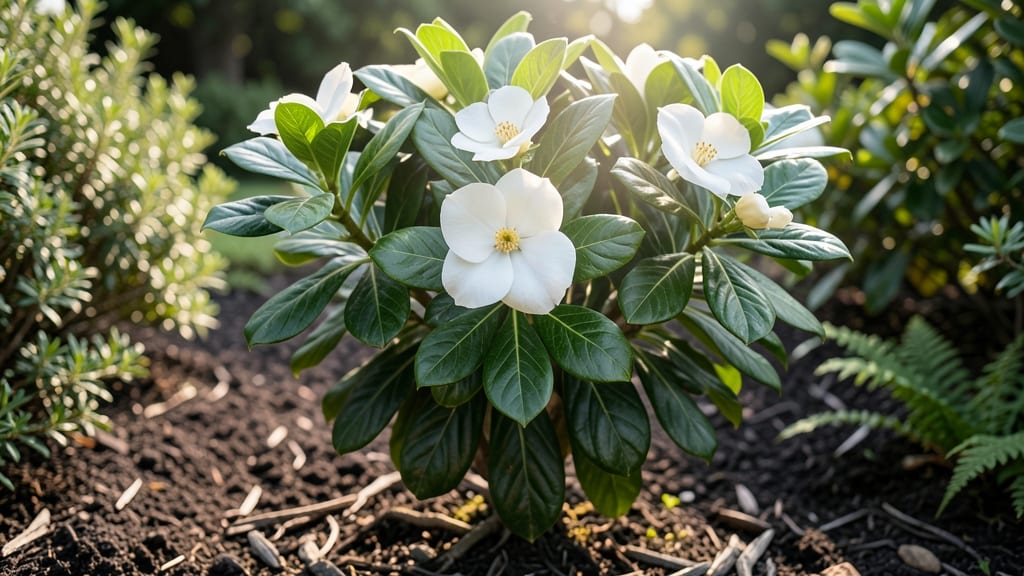
A gardenia bush’s height typically ranges from 4 to 6 feet, but with the right pruning and care, you can shape it to fit your space perfectly 🌸.
Picture this: your once-manageable gardenia now looms over your patio, its branches stretching beyond your intended design. The good news? You’re not stuck with an unruly giant—understanding how to control gardenia bush height is easier than you think.
From dwarf varieties that stay under 3 feet to standard types reaching their full height, the size depends on pruning habits, sunlight exposure, and soil conditions. A little strategic trimming in spring can keep your gardenia lush and compact while encouraging more blooms.
In this guide, I’ll walk you through the natural growth patterns, the best pruning techniques, and how to avoid common mistakes that lead to uncontrolled height. By the end, you’ll have a gardenia that’s both healthy and perfectly sized for your garden.

Natural gardenia bush height: what to expect and how it grows
If you’ve ever wondered, "How tall does a gardenia bush grow?", the answer depends on the variety you’re cultivating. Gardenias naturally grow as shrubs with heights ranging from dwarf varieties to towering specimens, and understanding these differences helps you plan your garden layout.
Most gardenias reach their mature height within 3-5 years, but proper care—like sunlight exposure and soil conditions—can influence how quickly they grow.
For example, a standard gardenia bush typically grows between 4 and 6 feet tall, while dwarf varieties stay compact at just 2 to 3 feet. Semi-dwarf types bridge the gap at 3 to 4 feet.
Knowing these ranges helps you choose the right variety for your space, whether it’s a cozy patio or a sprawling backyard. Proper spacing at planting time is also critical to prevent overcrowding and ensure each plant gets the air circulation it needs to thrive.
| Variety | Mature Height | Growth Rate | Spacing Needs |
|---|---|---|---|
| Dwarf Gardenia | 2–3 ft | Slow to moderate | 3–4 ft apart |
| Semi-Dwarf Gardenia | 3–4 ft | Moderate | 4–5 ft apart |
| Standard Gardenia | 4–6 ft | Moderate to fast | 5–6 ft apart |
The growth rate of your gardenia bush also depends on environmental factors like sunlight exposure and soil quality. Gardenias thrive in partial shade, particularly in hot climates, where they receive morning sun but are shielded from harsh afternoon rays.
Too much direct sunlight can stress the plant, leading to stunted growth or even leaf burn. Meanwhile, well-draining, acidic soil (pH 5.0–6.5) ensures healthy root development, which directly impacts how tall your gardenia will grow.
Climate plays a surprisingly big role too. In warmer USDA zones (8-10), gardenias grow faster and reach their mature height sooner due to longer growing seasons. In cooler zones (6-7), growth slows, and plants may take an extra year or two to reach full size.
For example, a standard gardenia in Zone 9 might hit 5 feet by year 3, while the same variety in Zone 7 could take until year 4 or 5. Adjusting your expectations based on your local climate helps avoid frustration.
Another key factor is watering consistency. Gardenias love moisture but hate soggy roots, so deep watering every 3–5 days keeps them thriving without encouraging leggy growth. Overwatering or underwatering can both stunt height, so aim for a balance.
Mulching around the base of the plant helps retain moisture and regulates soil temperature, which further supports steady, healthy growth. Think of mulch as a protective blanket for your gardenia’s roots—it’s a simple but effective way to encourage the right growth habits.
If you’re planting multiple gardenias, proper spacing is non-negotiable. Crowding plants together can lead to competition for nutrients and sunlight, resulting in stunted growth and weaker blooms. Follow the spacing guidelines in the table above, and you’ll give each plant room to flourish without encroaching on its neighbors.
For instance, dwarf varieties need only 3–4 feet of space, while standard gardenias require 5–6 feet to avoid overcrowding. This spacing also improves air circulation, reducing the risk of fungal diseases that can weaken your plants.
One common misconception is that gardenias grow taller in containers than in the ground. The opposite is usually true—container-grown gardenias often stay shorter and bushier because their root systems are restricted.
If you’re growing gardenias in pots, choose containers that are at least 18–24 inches wide to accommodate their root spread. Smaller pots can limit growth and may even stress the plant, so opt for larger containers if you want your gardenia to thrive without becoming top-heavy or leggy.
Finally, remember that pruning isn’t just for height control—it’s also about encouraging bushier growth. When you prune gardenias correctly (which we’ll cover in the next section), you’re not just cutting back height; you’re stimulating the plant to produce more branches and blooms.
This natural shaping process helps maintain a balanced, full gardenia bush that’s both visually appealing and structurally sound. Start with light pruning in the first few years to guide the plant’s shape, and you’ll avoid the need for drastic height reductions later.
By understanding these natural growth patterns and factors, you’ll be better equipped to nurture your gardenia bush into a stunning, well-proportioned addition to your garden. Whether you’re growing a compact dwarf or a tall standard, the key is patience, proper care, and a little foresight.
With the right conditions, your gardenia will reward you with fragrant blooms and lush foliage year after year.
Pruning techniques to control gardenia bush height effectively
Pruning your gardenia bush isn't just about cutting back overgrowth—it's an art of shaping while preserving those fragrant blooms you love. The key is timing and technique, especially if you want to encourage bushier growth rather than just reducing height.
When done right, pruning can transform a leggy gardenia into a full, lush shrub that stays within your desired height limits.
I’ve learned the hard way that pruning at the wrong time can stress your gardenia, leading to fewer flowers or even stunted growth. The best time to prune is in early spring or right after the first flush of blooms in early summer.
This gives your plant time to recover and prepare for its next growth cycle. Avoid heavy pruning in late summer or fall, as this can leave your gardenia vulnerable to winter damage.
Step-by-Step Pruning Guide for Gardenia Bush Height
- 1 Choose the right tools: Use sharp, clean pruning shears or bypass pruners to make precise cuts. Avoid dull tools, as they can tear the branches and invite disease.
- 2 Identify dead or weak branches: Remove any dead wood or branches that are crossing or rubbing against each other. These can weaken the plant and reduce airflow, which is critical for preventing fungal issues.
- 3 Cut at a 45-degree angle: Make your cuts just above a leaf node or bud at a 45-degree angle. This encourages new growth and helps water run off the cut, reducing the risk of rot.
- 4 Shape for bushiness: To encourage a fuller gardenia, focus on cutting back the longest branches by about one-third. Avoid cutting into old wood, as gardenias struggle to regrow from it.
- 5 Deadhead spent blooms: After pruning, remove any wilted flowers to redirect the plant’s energy toward new growth rather than seed production. This also keeps your gardenia looking tidy and encourages more blooms.
- 6 Fertilize after pruning: Apply a balanced, acid-loving fertilizer (like a 10-10-10 with peat) to support new growth. Water thoroughly to help the roots absorb nutrients.
One of my biggest takeaways is that pruning isn’t just about height control—it’s about encouraging healthier growth. By focusing on shaping your gardenia bush rather than just hacking away at the top, you’ll promote more branching and blooms.
For example, if your gardenia is growing too tall, aim to prune the upper third of the plant to redirect energy downward, which naturally thickens the lower branches.
Don’t forget to sterilize your tools before and after pruning to prevent the spread of disease. A quick wipe with rubbing alcohol or a 10% bleach solution can make a huge difference in keeping your gardenia healthy.
With the right approach, your gardenia will reward you with lush foliage and abundant blooms while staying at a manageable height.
If you’re still unsure about where to cut, start small—remove just a few branches and observe how your gardenia responds over the next few weeks. Patience and gradual pruning are key to achieving the perfect height without stressing your plant.