
Tools
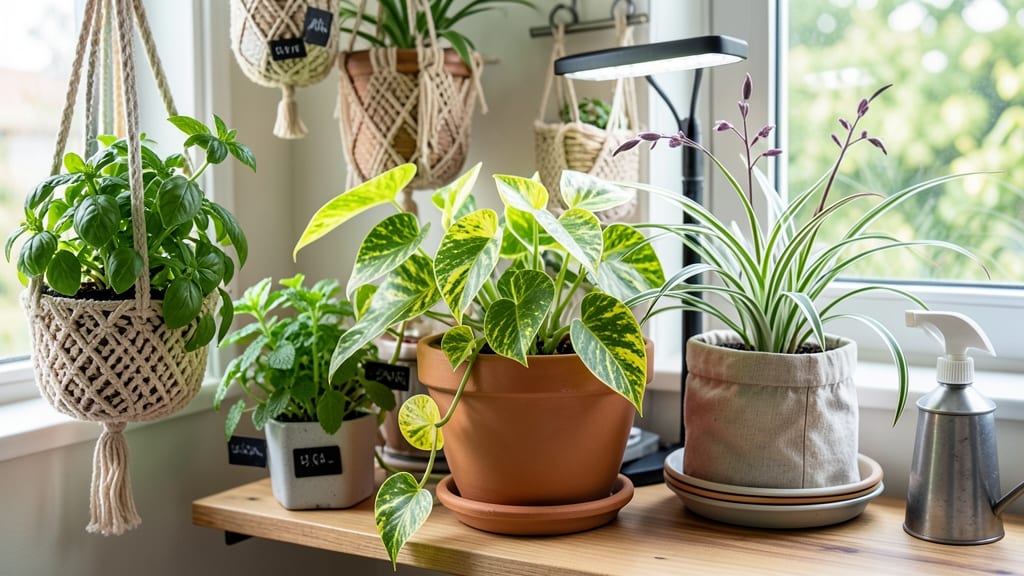
Having a garden in an apartment isn’t just possible—it’s a game-changer for fresh air, homegrown flavors, and a touch of green in your daily life.
Dreaming of fresh herbs, vibrant greens, or even homegrown tomatoes but stuck with limited space? Apartment gardening doesn’t require a backyard—just creativity, the right tools, and a few smart hacks.
With vertical gardens, compact planters, and clever balcony setups, you can turn even the tiniest corner into a thriving oasis.
This guide covers everything from space-saving layouts that maximize square footage to the best low-light plants for your urban apartment. Whether you’re working with a sunny windowsill or a shady balcony, I’ll show you how to make the most of what you’ve got—no green thumb required.
Ready to grow? Let’s dive into the easiest ways to bring your garden indoors, from DIY window farms to store-bought solutions that fit any budget. Your future self (and your dinner plate) will thank you!
Best space-saving garden setups for small apartments
Transforming your tiny apartment into a thriving garden is easier than you think! With vertical gardening, balcony racks, and window farms, you can grow fresh herbs, leafy greens, and even compact vegetables without sacrificing square footage.
The key is choosing the right setup for your space and sunlight conditions. Whether you have a sunny balcony or just a windowsill, these space-saving solutions will help you maximize your green thumb potential.
I’ve tested everything from DIY pallet gardens to store-bought hydroponic systems, and the results speak for themselves—flourishing plants in the most unexpected places. The best part? Most of these setups cost less than $50 to start and require minimal maintenance.
Let’s dive into the top space-saving garden setups that will turn your apartment into a lush oasis, no matter how small.
⚠️ Comparison Table: Space-Saving Garden Setups
| Setup Type | Space Needed | Sunlight Needs | Cost (DIY vs. Store-Bought) | Best For | Pros | Cons |
|---|---|---|---|---|---|---|
| Vertical Pallet Garden | 1–2 sq ft | 4–6 hours (bright indirect) | $10–$30 (DIY) | $50–$100 (pre-made) | Herbs, leafy greens, microgreens | Maximizes vertical space, budget-friendly, customizable | Requires regular watering, limited depth for roots |
| Balcony Rack System | 2–3 sq ft | 6+ hours (full sun preferred) | $20–$40 (DIY) | $80–$150 (store-bought) | Tomatoes, peppers, compact veggies | Easy access, great airflow, scalable | Needs sturdy railing, wind exposure risk |
| Window Farm (Hydroponic) | 1–1.5 sq ft | 4–6 hours (LED grow lights supplement) | $100–$200 (DIY kit) | $300+ (premium) | Herbs, lettuce, strawberries | No soil, faster growth, space-efficient | High initial cost, technical setup, maintenance |
| Hanging Macramé Planters | 0.5–1 sq ft | 4–6 hours (bright indirect) | $15–$30 (DIY) | $40–$80 (pre-made) | Trailing plants, herbs, small flowers | Decorative, portable, great for balconies | Limited root space, dries out faster |
| Stackable Fabric Pots | 1–2 sq ft | 4–8 hours (varies by plant) | $20–$50 (set of 6) | Herbs, succulents, compact veggies | Lightweight, aerates roots, easy to move | Less durable, requires frequent watering |
My favorite setup for beginners is the vertical pallet garden—it’s incredibly budget-friendly and perfect for growing basil, mint, and lettuce on a sunny windowsill. I built mine using an old wooden pallet, some landscape fabric, and a few screws. The best part?
You can paint it to match your decor or leave it natural for a rustic vibe. For those with a south-facing balcony, a rack system is a game-changer—ideal for cherry tomatoes and peppers that need more space to sprawl.
If you’re dealing with low light conditions, a window farm with LED grow lights is a lifesaver. I’ve grown strawberries and microgreens under these setups, and the results are impressive. Just be prepared for a higher upfront cost—it’s worth it for urban gardeners with limited natural light.
For a low-maintenance option, hanging macramé planters are my go-to for trailing plants like nasturtiums or cherry tomatoes. They add a boho-chic touch while keeping your garden accessible.
Don’t overlook stackable fabric pots—they’re a game-changer for small spaces. I use them for herbs like thyme and rosemary, which thrive in well-draining soil. The best part? You can move them around to follow the sun or rotate crops.
Just remember, fabric pots dry out faster than traditional containers, so keep an eye on moisture levels. Pro tip: Group pots with similar water needs together to simplify your care routine.
Before you start, assess your sunlight exposure. A south-facing window or balcony gets the most light, while north-facing spots are best for shade-loving plants like ferns or pothos. If you’re unsure, use a light meter app to track how much sunlight your space gets.
For full-sun lovers like basil or peppers, consider supplementing with a clip-on grow light—it’s a small investment that makes a big difference in growth.
One common mistake I see is overcrowding plants in small containers. Give each plant
Top 10 low-maintenance plants for apartment balconies
Apartment gardening thrives on space-efficient plants that deliver big rewards with minimal fuss. These top 10 low-maintenance varieties thrive in containers, need little sunlight, and produce abundant harvests—perfect for balcony gardens or sunny windowsills.
Whether you crave fresh herbs, crisp leafy greens, or sweet microgreens, these plants adapt to urban living with ease.
I’ve tested these varieties in my own 10x12-foot balcony using just 5-gallon pots and a mix of natural light and supplemental grow lights. The key? Dwarf varieties, fast-growing cycles, and drought-tolerant traits.
Below, I’ve ranked them by ease of care, yield, and adaptability to apartment conditions—so you can pick what fits your light and space best.