
How To
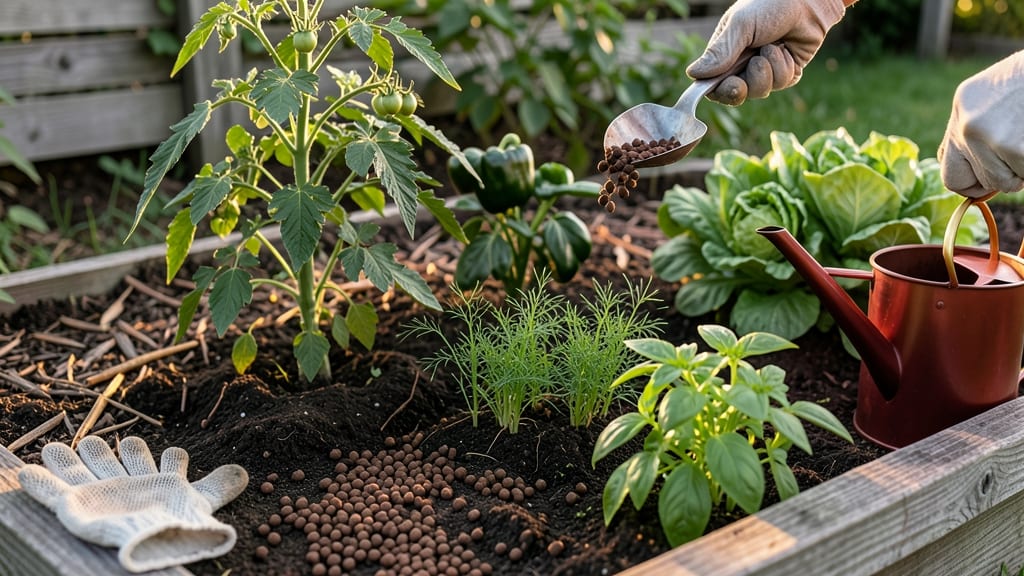
To fertilize your vegetable garden properly, you’ll need a schedule that matches each plant’s growth cycle—too much or too little throws off the whole season.
Picture this: you’ve just planted your 🥬 vegetable garden in Zone 6a, only to watch your tomatoes struggle or your lettuce bolt because the timing was off. The trick isn’t just when you fertilize—it’s how often for each crop, from leafy greens to heavy feeders like corn.
Most home gardeners overcomplicate it, but the real secret is simplicity: a seasonal rhythm that starts with soil prep in spring, peaks during active growth, and taps off as harvest nears.
Below, I’ll break down the exact intervals for organic and synthetic fertilizers, plus how to spot over-fertilizing before it’s too late.
You’ll leave here with a customizable plan—no more guessing, no more wasted fertilizer, and plants that thrive from seed to harvest.

Fertilizing frequency by plant type: fast-growers vs. heavy feeders
Not all vegetables need the same feeding schedule—some thrive on frequent, light doses while others demand heavy feeding at key stages.
As a gardener, I’ve learned that fast-growing leafy greens like spinach and lettuce only need every 3-4 weeks, while heavy feeders like tomatoes and peppers require biweekly fertilization to produce bountiful harvests. Understanding these differences saves time, money, and prevents nutrient burn.
Root crops like carrots and potatoes actually prefer minimal fertilization—too much nitrogen can make them forked or bitter. Meanwhile, corn and other nitrogen-lovers need frequent feeding every 1-2 weeks to fuel their rapid growth.
The key is matching your fertilizer type (organic vs. synthetic) to your plant’s needs and growth stage.
Organic fertilizers like compost or manure release nutrients slowly, so I apply them every 4-6 weeks for most vegetables. Synthetic fertilizers, however, dissolve quickly, so I use them every 2-3 weeks for heavy feeders like tomatoes. Always check soil moisture before fertilizing—dry soil can burn roots when salts concentrate.
Here’s a quick reference to help you plan your feeding schedule based on plant type:
| Plant Type | Fertilizer Frequency | Best Fertilizer Type | Key Growth Stage |
|---|---|---|---|
| Leafy Greens (spinach, lettuce, kale) | Every 3-4 weeks | Balanced (5-5-5) or compost | Active leaf production |
| Tomatoes & Peppers | Every 2 weeks | High-phosphorus (10-20-10) or fish emulsion | Flowering & fruiting |
| Root Crops (carrots, potatoes, beets) | Minimal (1-2 times max) | Low-nitrogen (5-10-10) or aged compost | Early growth only |
| Corn & Heavy Feeders | Every 1-2 weeks | High-nitrogen (10-5-5) or manure tea | Vegetative growth |
| Alliums (onions, garlic, leeks) | Every 4-6 weeks | Balanced (10-10-10) or kelp meal | Bulb development |
For leafy greens, I focus on nitrogen-rich fertilizers early in the season to promote lush foliage. Once they start bolting (flowering), I switch to a lower-nitrogen feed to redirect energy to leaf production.
A simple trick: side-dress with compost every 3-4 weeks instead of using synthetic fertilizers to avoid salt buildup.
Tomatoes and peppers are heavy feeders that need consistent nutrition. I start with a balanced fertilizer at planting, then switch to a phosphorus-heavy feed when flowers appear.
Organic options like bone meal or fish emulsion work wonders for fruiting plants. Pro tip: Avoid fertilizing after mid-summer—it can delay ripening before frost.
Root vegetables like carrots and beets hate excess nitrogen, which causes them to grow leafy tops at the expense of edible roots. I only fertilize them once at planting with a low-nitrogen mix.
For potatoes, I hill the soil and add a light compost top-dressing just once during the season to encourage tuber formation.
Corn is a nitrogen hog that needs frequent feeding. I use a high-nitrogen fertilizer like blood meal or a 10-5-5 blend, applying it every 1-2 weeks until tasseling begins.
After that, I reduce feeding to prevent excessive leaf growth at the expense of ear development. A mulch layer helps retain moisture and slowly releases nutrients.
Timing matters just as much as type. I always fertilize in the early morning when plants are actively transpiring, and I water thoroughly afterward to prevent root burn. For organic fertilizers, I mix them into the soil 1-2 inches deep to protect beneficial microbes and prevent surface crusting.
One common mistake I see is over-fertilizing fast growers like radishes or lettuce. These plants mature in 30-45 days and don’t need heavy feeding. Instead, I focus on soil health with compost and avoid synthetic fertilizers entirely for these quick crops.
Seasonal fertilizing schedule: when to feed for maximum yield
Timing your vegetable garden's fertilization is like conducting an orchestra—each crop needs its moment to shine, and feeding at the wrong time can throw everything off. Spring sets the foundation, summer fuels growth, and fall prepares plants for dormancy.
The secret? Aligning fertilizer applications with your plants' natural growth cycles, not just calendar dates.
For example, leafy greens like lettuce and spinach thrive with light feeding every 3-4 weeks, while heavy feeders such as tomatoes and peppers demand more frequent nourishment. Understanding these rhythms prevents nutrient waste and ensures your garden produces bountiful harvests instead of burnt foliage or stunted growth.
- 1 Early Spring (March-April): Soil Prep – Apply compost or balanced 10-10-10 fertilizer at planting to kickstart root development. Focus on soil health, not heavy feeding.
- 2 Active Growth (May-June): Peak Feeding – Feed every 2-3 weeks with a high-nitrogen fertilizer (e.g., 20-5-10) for leafy crops or balanced fertilizer (10-10-10) for fruiting plants like tomatoes.
- 3 Flowering/Fruiting (July-August): Balanced Nutrients – Switch to a phosphorus-rich fertilizer (e.g., 5-10-10) to support flower and fruit development. Reduce frequency to every 4 weeks to avoid overstimulating foliage.
- 4 Fall (September-October): Winterizing Prep – Apply a light feed of compost or low-nitrogen fertilizer in early fall to strengthen roots before dormancy. Avoid fertilizing 6 weeks before first frost to prevent tender new growth.
- 5 Winter (November-February): Dormancy – Skip fertilization entirely unless overwintering tender crops like spinach. Focus on soil protection with mulch instead.
Watch for signs of over-fertilization, like crispy leaf edges or stunted growth, and adjust by watering deeply to dilute excess salts. Under-fertilized plants show yellowing leaves or slow growth—respond with a light application of compost tea or diluted fish emulsion.
Pro tip: Use organic matter like compost or worm castings in spring and fall to improve soil structure long-term. Synthetic fertilizers work faster but require more precise timing. Test your soil every 2-3 years to avoid nutrient imbalances.
By syncing your feeding schedule with your garden's natural rhythms, you'll see healthier plants, bigger yields, and fewer wasted resources. Start with this seasonal guide, then fine-tune based on your specific crops and soil conditions. Happy growing!