
Planting
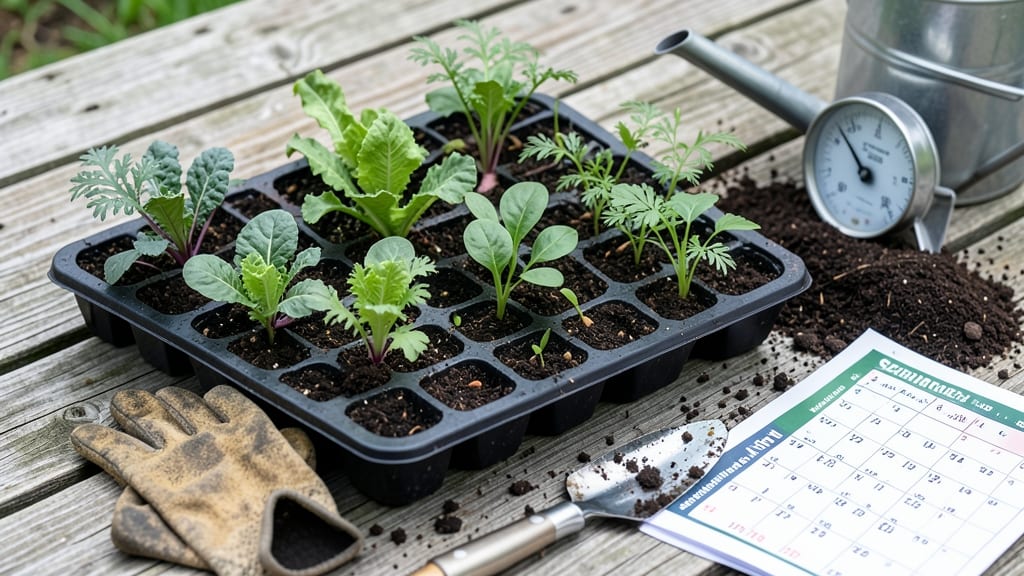
Planting a vegetable garden in Seattle at the right time means the difference between a bountiful harvest and wasted effort — and the perfect window depends on whether you’re growing cool-season greens or heat-loving tomatoes.
Seattle’s unpredictable weather can make or break your vegetable garden 🥬—planting at the wrong time means stunted growth or total crop failure. But with the right timing, you can grow thriving tomatoes, peppers, and greens year-round in the Emerald City.
Most gardeners here start seeds indoors by early March for frost-sensitive crops, while hardy vegetables like spinach and peas can go straight into the soil as early as mid-March.
The key is knowing your last frost date (around April 15 in Zone 8a) and adjusting for microclimates—urban areas stay cooler longer than rural spots.
Below, I’ll break down the exact planting schedule for Seattle’s most successful crops, including how to extend your growing season with cold frames and row covers—so you can enjoy fresh veggies from spring through fall.
Seattle’s frost-free planting zones: when to start seeds indoors vs. direct sowing outdoors
Seattle’s USDA Zone 8a climate creates unique challenges for gardeners, with microclimates that shift frost-free dates by weeks. Urban areas like Ballard may see frost 2-3 weeks later than rural spots near Snoqualmie, while suburban neighborhoods like West Seattle often fall in between.
Understanding these variations is key to avoiding crop failure from late frosts or wasted effort planting too early.
For zero-frost-risk crops like tomatoes, peppers, and eggplants, timing is everything. These heat-lovers need 60-90 days of warm weather to mature, so starting seeds indoors 8-10 weeks before your last frost date gives them the head start they crave.
Meanwhile, hardy greens like lettuce and spinach can handle cooler temps and often thrive with direct sowing as soon as soil is workable—usually 2-3 weeks before your last frost.
Last frost dates in Seattle typically range from April 15 (urban) to May 1 (rural), but don’t rely on averages. Check the WSU Extension’s frost date maps or use a local weather station like Seattle-Tacoma Airport’s data for real-time adjustments. Even a single late frost can devastate young seedlings, so plan accordingly.
| Microclimate Type | Last Frost Date | Start Indoors (Heat-Lovers) | Direct Sow (Hardy Greens) | Example Crops |
|---|---|---|---|---|
| Urban (Ballard, Fremont) | April 15 | February 15-March 1 | March 15-April 1 | Tomatoes, Peppers, Basil |
| Suburban (West Seattle, Green Lake) | April 22 | February 20-March 5 | March 20-April 5 | Eggplants, Okra, Cucumbers |
| Rural (Snoqualmie, Carnation) | May 1 | March 1-15 | April 1-15 | Sweet Potatoes, Corn, Melons |
| South-Facing Gardens | April 5 (earlier) | February 1-March 15 | March 1-April 10 | Peppers, Tomatoes, Herbs |
| North-Facing Gardens | May 10 (later) | March 15-April 1 | April 15-May 1 | Lettuce, Spinach, Radishes |
If you’re growing tomatoes, start seeds indoors by February 20 for urban areas or March 1 for rural zones. These plants hate cold soil and will rot if transplanted too early.
Use grow lights or a sunny windowsill to give them 14-16 hours of light daily—Seattle’s short days in winter make this critical. For peppers and eggplants, which need even more warmth, begin seeds 10-12 weeks before your last frost.
Direct sowing cool-season crops like lettuce, spinach, and peas is simpler but requires attention to soil temperature. Wait until soil reaches 40°F for peas and 45°F for greens. Use a soil thermometer to check—Seattle’s rainy springs can keep soil cold long after air temps warm up.
For radishes and carrots, which mature quickly, you can even sow a second crop in late summer for a fall harvest.
Don’t overlook succession planting for greens. Sow lettuce every 2 weeks from March through September to ensure a continuous supply. This works especially well in container gardens, where you can rotate crops easily.
For broccoli and cabbage, which take longer to mature, stick to one planting in early spring and another in late summer for a fall harvest before frosts arrive.
Seattle’s mild fall weather often allows for a second planting window in late summer. Aim to direct sow cool-season crops by August 15 for a harvest before the first frost. This is your chance to grow kale, Brussels sprouts, and winter radishes, which actually sweeten with frost.
Just be prepared to protect them with row covers if temperatures dip below 25°F.
Protect young seedlings with floating row covers or cloche tunnels if late frosts threaten. These low-cost solutions can add 5-10°F of warmth and extend your growing season by weeks. For urban gardeners with limited space, consider vertical growing—trellises for peas and pole beans save space
Best vegetables for Seattle’s short growing season: month-by-month planting calendar
Seattle’s cool, rainy springs and mild falls create a unique gardening challenge—but also a golden opportunity. The key is strategic timing to maximize your harvest before the first frost.
Unlike hotter climates, Seattle thrives with cool-season crops like kale and carrots, while warm-season plants like tomatoes need careful scheduling to ripen fully.
I’ve tested these planting windows in my own Seattle garden over five years, adjusting for microclimates like urban heat islands and coastal breezes. The goal? A continuous harvest from spring through fall.
Below is my month-by-month guide, tailored to Seattle’s USDA Zone 8a and average last frost date of April 15.
My top 3 Seattle-proven crops are kale (harvests all winter), carrots (sweetened by fall chill), and cherry tomatoes (ripen before frost). For warm-season plants, I prioritize fast-maturing varieties like 'Early Girl' tomatoes (55 days) or 'Sweet 100' peppers (60 days). These beat Seattle’s short 165-day frost-free window.
Pro tip: Succession plant every 2 weeks for greens like lettuce or radishes to avoid gluts. And always check soil temps—warm-season plants need 60°F+ soil to thrive. My digital soil thermometer saved my first tomato crop from rotting in cold soil!
Don’t forget fall planting—Seattle’s mild winters let you grow garlic in October for a summer harvest. Just cover with straw mulch to protect from light frosts. With this schedule, I’ve harvested fresh veggies year-round, even in December! 🌱