
Planting
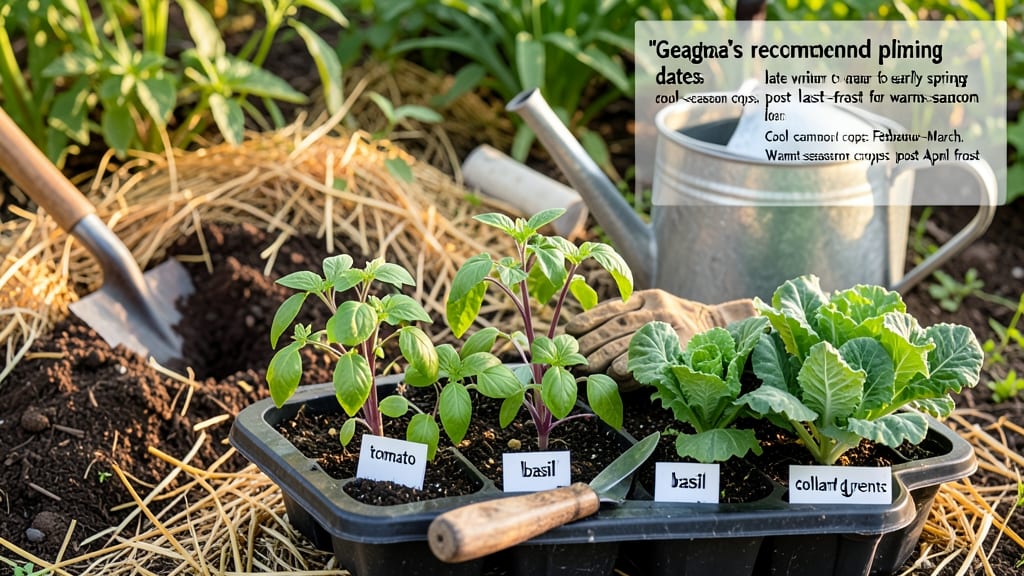
To plant a garden in Georgia without frost risk, aim for mid-April through early May when soil temperatures consistently stay above 60°F.
Georgia’s long growing season and humid climate make it a gardener’s paradise—but timing is everything. Plant too early, and frost will ruin your hard work; too late, and summer’s brutal heat can stress even the hardiest plants.
This isn’t just about avoiding frost dates—it’s about matching crops to Georgia’s three distinct planting windows: cool-season (February–March), frost-free transition (April), and heat-tolerant summer (May–July).
Below, I’ll break down the exact months for vegetables, flowers, and perennials by region, plus the top 10 heat-resistant crops that thrive when others wilt.
Georgia’s frost-free planting zones: when to start seeds and transplants
Georgia spans USDA Hardiness Zones 7a through 8b, giving gardeners a 240–300-day growing season. But those extra days don’t mean you can plant anytime—frost risk and soil temperatures dictate your success.
In Zone 7a (north Georgia), average last frost dates fall between March 15–April 1, while Zone 8b (south Georgia) typically sees frost-free conditions by February 15. Timing your seed starts and transplants around these dates ensures your garden thrives without frost damage.
Cool-season crops like broccoli, kale, and peas can handle light frosts, but their seeds need soil temps between 40°F–50°F to germinate. Warm-season plants like tomatoes, peppers, and squash, however, won’t germinate until soil reaches 60°F–70°F.
Waiting too long to plant these can lead to bolting or poor yields in Georgia’s brutal summer heat.
| USDA Zone | Last Frost Date | Cool-Season Planting Window | Warm-Season Planting Window | Soil Temp Threshold |
|---|---|---|---|---|
| 7a (North GA) | March 15–April 1 | Late Feb–Early March | Mid-April–Early May | 40°F–70°F |
| 7b (Central GA) | March 1–March 15 | Early Feb–Late Feb | Early April–Mid-April | 45°F–70°F |
| 8a (South GA) | February 15–March 1 | Late Jan–Early Feb | Late March–Early April | 50°F–70°F |
| 8b (Southwest GA) | January 15–February 15 | Mid-Jan–Late Jan | Late March–Early April | 55°F–75°F |
For cool-season crops, start seeds indoors 6–8 weeks before your last frost date. In Zone 7a, that means mid-January for hardy greens like spinach or lettuce.
Transplant seedlings outdoors once soil warms to 50°F, typically by late February in southern zones or early March in northern Georgia. Use row covers if nighttime temps dip below 32°F to protect tender seedlings.
Warm-season crops require more patience. Tomatoes, peppers, and eggplants should only go into the ground after soil reaches 60°F, which in most of Georgia happens by mid-April.
Start these seeds indoors 8–10 weeks before transplanting—so early February for Zone 8b and late February for Zone 7a. If you’re short on time, opt for transplants from nurseries, but harden them off for 7–10 days before moving outdoors.
Georgia’s humidity and heat can also affect planting. After June 1, the risk of pests like squash bugs and diseases such as powdery mildew spikes. For a second planting of cool-season crops like broccoli or cabbage, aim for late July–early August to harvest before winter sets in.
Always check 7-day forecasts before transplanting—3-day highs above 90°F can shock warm-season plants.
Pro tip: Use a soil thermometer to monitor temperatures. In Zone 7a, soil may hit 60°F by late April, but in Zone 8b, it could be ready by mid-March. Adjust your planting schedule based on real-time data rather than relying solely on average dates.
Mulch with straw or pine needles to keep soil temperatures stable and retain moisture during Georgia’s dry spells.
If you’re in Zone 8b, you
Heat-tolerant crops that thrive in Georgia’s summer: best months to plant
Georgia’s summer heat can feel like a gardener’s worst enemy, but with the right heat-tolerant crops, you can turn your garden into a productive oasis. The key is planting during the May–July window when soil temperatures stay above 75°F and humidity levels are high.
These top 10 heat-resistant vegetables won’t just survive—they’ll thrive, rewarding you with bountiful harvests even when temperatures hit 90°F+.
Unlike frost-sensitive crops, these varieties have deep roots, waxy leaves, or natural drought resistance to beat the heat. Pair them with companion plants like marigolds or basil to deter pests and improve soil health.
For example, okra and sweet potatoes love the humidity, while black-eyed peas fix nitrogen in the soil, creating a self-sustaining ecosystem. Let’s dive into the best planting months and pro tips to maximize your summer harvest.