
Planting
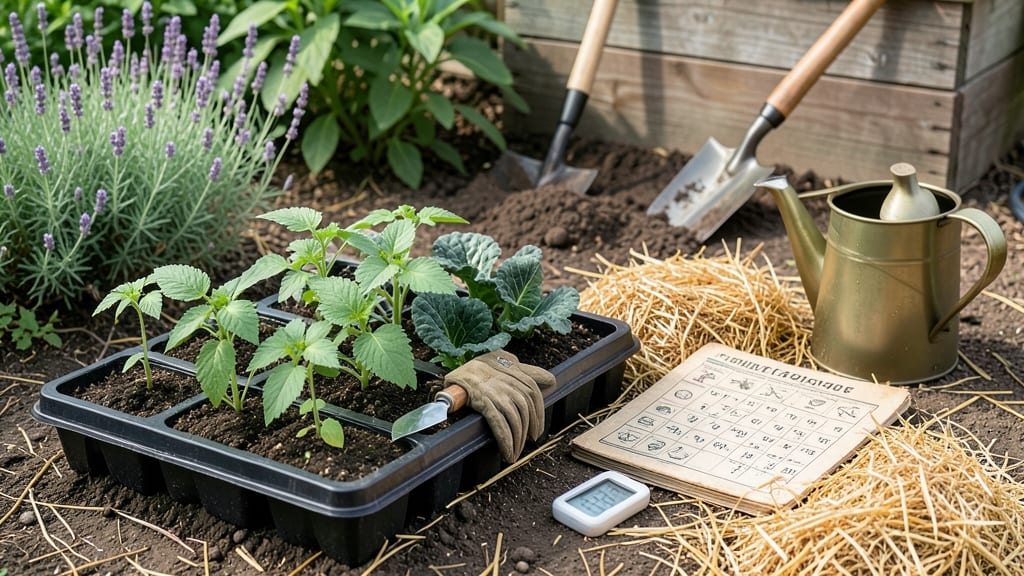
Planting your garden in Georgia at the right time can mean the difference between a bountiful harvest and wasted effort. The state’s diverse climate zones—from the cooler Appalachian foothills to the warmer coastal plains—demand precise timing to avoid frost damage or scorched seedlings.
Georgia’s warm climate and diverse growing zones mean your garden’s success hinges on timing—plant too early, and frost zaps your efforts; too late, and summer heat stunts growth. Here’s your zone-by-zone planting calendar to maximize yields and avoid common pitfalls.
Whether you’re sowing cool-season crops like lettuce in early spring or warm-season favorites like tomatoes after the last frost, getting the timing right is everything. Miss the window, and you’ll spend more time troubleshooting than enjoying your harvest.
Below, I break down the fastest-growing strategies for each USDA zone (7a-8b), including regional adjustments for microclimates, soil prep tips, and the best varieties for Georgia’s conditions.
Georgia planting calendar by USDA zones 7a-8b: exact dates for vegetables, flowers & herbs
Georgia’s USDA Zones 7a-8b offer a 200-240 day growing season, but timing is everything. In Zone 7a-7b (North Georgia), last frost typically arrives March 15-March 30, while Zone 8a-8b (South Georgia) enjoys frost-free conditions by February 15-March 1.
Missing these windows means risking frost damage or heat stress—especially for warm-season crops like tomatoes and peppers.
Cool-season crops like broccoli, lettuce, and peas thrive when planted 4-6 weeks before last frost, while warm-season staples (tomatoes, squash, peppers) need soil temperatures above 60°F to germinate. Perennials like roses and lavender should be planted in early spring or fall for best root establishment.
Below is your zone-specific planting calendar, with exact dates for Georgia’s most popular vegetables, flowers, and herbs. Use this as your guide to avoid common mistakes like planting heat-loving crops too early or cool-season greens too late in the season.
| Plant Type | Zone 7a-7b (North GA) | Zone 8a-8b (South GA) | Notes |
|---|---|---|---|
| Cool-Season Vegetables (Broccoli, Lettuce, Peas) | Feb 15 - Mar 15 Aug 1 - Sep 15 (fall) |
Jan 30 - Feb 28 Jul 15 - Aug 30 (fall) |
Plant 4-6 weeks before last frost. Succession plant lettuce every 2 weeks. |
| Warm-Season Vegetables (Tomatoes, Peppers, Squash) | Apr 15 - May 15 | Mar 1 - Apr 1 | Wait until soil is 60°F+. Use black plastic mulch to warm soil faster. |
| Flowers (Marigolds, Zinnias, Petunias) | Mar 1 - Apr 15 Aug 15 - Sep 15 |
Feb 15 - Mar 15 Jul 30 - Aug 30 |
Annuals: Plant after last frost. Perennials: Early spring or fall. |
| Herbs (Basil, Cilantro, Rosemary) | Mar 15 - Apr 15 Aug 1 - Sep 1 |
Feb 28 - Mar 30 Jul 15 - Aug 15 |
Basil needs warm soil (70°F+). Cilantro bolts in heat—plant in fall. |
| Perennials (Roses, Lavender, Daylilies) | Feb 15 - Mar 15 Sep 15 - Oct 15 |
Jan 30 - Feb 28 Aug 30 - Sep 30 |
Plant in early spring or fall for best root establishment. |
For Zone 7a-7b, focus on late March to early April for warm-season crops, while Zone 8a-8b gardeners can start as early as mid-February. Always check your local frost-free date—even a few degrees of frost can kill tender seedlings.
Use row covers or cold frames to extend your growing season if needed.
Pro tip: Soil temperature matters more than air temperature. Use a soil thermometer to confirm warmth before planting warm-season crops. Aim for 60°F for peppers and 70°F for basil. If your soil is still cool, wait a few more weeks—rushing leads to poor germination.
In South Georgia (8a-8b), you can push the envelope with early plantings of tomatoes and peppers, but be ready to protect them with frost cloth if late frosts hit.
Conversely, North Georgia (7a-7b) gardeners should hold off until mid-April to avoid frost damage. Adjust for microclimates—urban areas heat up faster, while valleys stay cooler longer.
Don’t forget fall planting! Many vegetables like broccoli and kale thrive in cool fall weather. In Zone 8a-8b, you can plant until
How to adjust your planting schedule for Georgia’s microclimates (urban vs. rural, coastal vs. Piedmont)
Georgia’s diverse geography creates microclimates that can shift planting windows by 2-4 weeks. What works in your coastal neighbor’s garden may fail in your urban backyard or Piedmont farm.
These differences affect soil warmth, humidity levels, and frost timing—key factors for timing your spring and fall plantings.
For example, Savannah’s coastal zone stays warmer longer, letting you plant tomatoes and peppers by February 15, while Atlanta’s Piedmont elevation keeps soils cold until March 30. Even within cities, urban heat islands can push last-frost dates back by 10-14 days compared to rural areas.
Adjusting your schedule means checking local weather stations and observing your own yard’s microclimate patterns.
- 🌿 Urban Areas (e.g., Atlanta, Macon): Last frost averages March 15-25 but can delay until April 10 due to heat island effect. Start cool-season crops (lettuce, spinach) February 1 and warm-season crops (tomatoes, peppers) after April 15.
- 🏞️ Rural/Piedmont (e.g., Athens, Dahlonega): Soil warms slower due to higher elevation. Plant cool-season crops January 20 and warm-season crops after March 20. First frost arrives November 1-15—earlier than coastal zones.
- 🌊 Coastal (e.g., Savannah, Brunswick): Humidity extends growing season by 3-4 weeks. Start warm-season crops as early as February 1 and enjoy fall harvests until December 1. Soil stays warm longer, reducing need for row covers.
- 🏡 Microclimate Tips for All Zones:
- Test soil temperature—warm-season crops need 60°F+.
- Use row covers in urban areas to protect from late frosts.
- Plant heat-tolerant varieties (e.g., Okra, Sweet Potatoes) in Piedmont for longer harvests.
To fine-tune your schedule, observe your yard’s sun exposure and wind patterns.
South-facing areas warm faster, while north-facing spots may need earlier starts for cool-season crops. Coastal gardens benefit from shade cloth in summer to prevent bolting in lettuce and spinach, while Piedmont gardens should prioritize mulching to retain soil warmth.
For herbs like basil and cilantro, urban heat islands often mean bolting by June. To extend harvests, move pots to shadier spots or plant successive crops every 2 weeks.
In coastal areas, humidity-loving plants like okra and sweet potatoes thrive with minimal extra care, while Piedmont gardens may need drip irrigation to combat drier soils.
Pro tip: Keep a gardening journal for 2 years to track your local frost dates, soil warmth, and plant performance. This data will help you adjust future planting schedules with confidence.
For example, if your tomatoes consistently struggle in July due to heat, try shade cloth or succession planting in early August for a fall harvest.
Remember, Georgia’s diverse microclimates mean one size doesn’t fit all. By tailoring your planting schedule to your specific location, you’ll avoid common pitfalls like frost damage or heat stress—and enjoy a bountiful, year-round harvest. Start small, observe, and adjust—your garden will thank you! 🌱