
How To
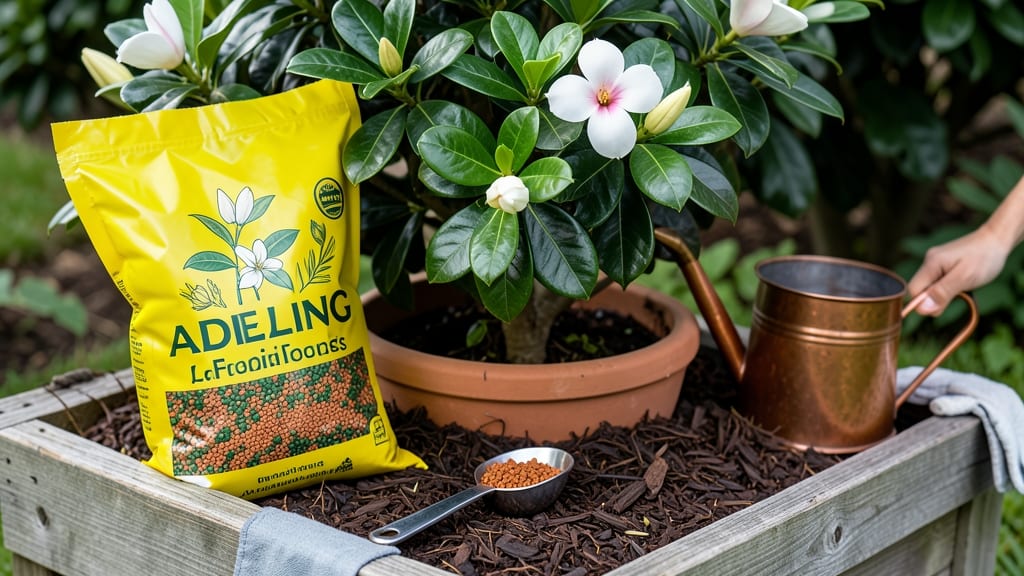
To fertilise gardenias at the right times means unlocking their fragrant blooms and lush foliage—something I learned the hard way after months of sparse flowers.
Gardenias 🌸 thrive when fed during their growth phases, but timing is everything. Skip the spring boost, and you’ll get leafy shrubs instead of perfumed blooms. Overdo it in summer, and you risk burnt roots. The key is matching fertilizer with the plant’s natural cycle.
In this guide, I’ll break down the seasonal schedule for fertilizing gardenias—when to feed, what to use, and how to spot signs of over- or under-fertilization. Whether you’re in a humid tropical climate or a milder zone like 9b, these cues will keep your gardenias thriving.
You’ll also discover the best fertilizers for acid-loving plants, how often to apply them, and why a light feed in summer prevents stress. Let’s get your gardenias blooming like never before.
Gardenia fertilizing schedule by season: bloom-triggering timing
Timing is everything when fertilizing gardenias—miss the seasonal cues, and your plants will either bolt with leaves or skip blooming entirely. Gardenias thrive on a structured feeding schedule that aligns with their natural growth cycles, from spring’s new shoots to summer’s bloom phase and winter’s dormancy. Unlike other shrubs, they hate sudden nutrient spikes and prefer consistent, low-intensity feeding.
The key is acid-loving plant care—gardenias crave slightly acidic soil (pH 5.0–6.0) and balanced nutrients without excess nitrogen. Over-fertilizing in summer can burn roots, while skipping spring feedings stunts flowering.
Below, I’ll break down the exact monthly schedule I follow, plus organic vs. synthetic comparisons to maximize those fragrant blooms.
Pro Tip: Always fertilize in the early morning to prevent fungal issues from evening moisture. Water deeply first to avoid root burn—gardenias hate salt buildup from fertilizers.
| Season | Fertilizer Type | Frequency | Amount | Key Goal |
|---|---|---|---|---|
| Early Spring (Feb–Mar) | Balanced (6-6-6) or cottonseed meal | Every 4–6 weeks | 1 tbsp per plant | Stimulate new growth |
| Late Spring (Apr–May) | Bloom booster (8-3-9) | Every 6 weeks | 1 tbsp per plant | Encourage flower buds |
| Summer (Jun–Aug) | Light organic (fish emulsion) | Every 8 weeks | ½ tbsp per plant | Maintain blooms, avoid burn |
| Fall (Sep–Oct) | Slow-release (osmocote) | Once in early fall | 1 tbsp per plant | Strengthen roots |
| Winter (Nov–Jan) | None | — | — | Dormancy phase |
In early spring (February–March), I kick off the season with a balanced fertilizer (6-6-6) or organic cottonseed meal to jumpstart root and foliage growth. This is your window for pre-bloom prep—think of it as laying the foundation for summer’s floral display.
I apply it every 4–6 weeks until late May, when buds start forming.
By late spring (April–May), I switch to a bloom-specific fertilizer (8-3-9)
Signs your gardenia needs fertilizer (and when to stop)
Your gardenia might be whispering for help if its leaves turn yellow between the veins—a classic sign of iron deficiency. This acid-loving plant also slows growth when nutrients run low, producing fewer fragrant blooms than expected.
But watch out: over-fertilizing causes leaf burn and root damage, so timing matters just as much as feeding.
Start by checking the soil pH—gardenias thrive in acidic soil (pH 5.0–6.0). If your plant’s leaves look pale or sparse, it’s likely hungry.
However, dark brown leaf tips or sudden leaf drop mean you’ve overdone it. The key is balancing nutrient supply with your gardenia’s growth cycle.
When to Fertilize Gardenias: Pros & Cons
✅ DO Fertilize When...
- Spring (March–May): Boosts new growth before blooming.
- Early summer (June): Supports flower production.
- Light feeding in fall: Strengthens root system for winter.
- Yellow leaves appear: Indicates nutrient deficiency.
❌ DON’T Fertilize When...
- Winter (Dec–Feb): Plant is dormant.
- Leaves show burn: Sign of over-fertilization.
- Soil is waterlogged: Roots can’t absorb nutrients.
- Newly planted (first 6 weeks): Let roots establish first.
For container gardenias, fertilize every 4–6 weeks from spring to fall, using a balanced 6-6-6 fertilizer. In-ground plants need feeding every 6–8 weeks.
Always water before fertilizing to prevent root burn. If your plant stops blooming despite green leaves, it may need a phosphorus-rich feed to encourage flowers.
Adjust your schedule by seasonal cues: fertilize when you see new leaf growth in spring or bud formation in summer. Avoid feeding after first frost—gardenias go dormant and won’t benefit. If you’re unsure, do a soil test to confirm nutrient levels before adding more fertilizer.
Over-fertilizing is just as harmful as under-fertilizing. Brown leaf edges or crispy foliage mean you’ve overdone it. Flush the soil with water to leach excess salts, then reduce fertilizer by half. For organic options, try cottonseed meal or fish emulsion—both release nutrients slowly and won’t burn roots.
Remember: gardenias reward patience. A well-fed plant in partial shade with consistent moisture will bloom profusely for years. Start with a light feeding in early spring, then adjust based on your plant’s growth signals—not just the calendar.