
Tools
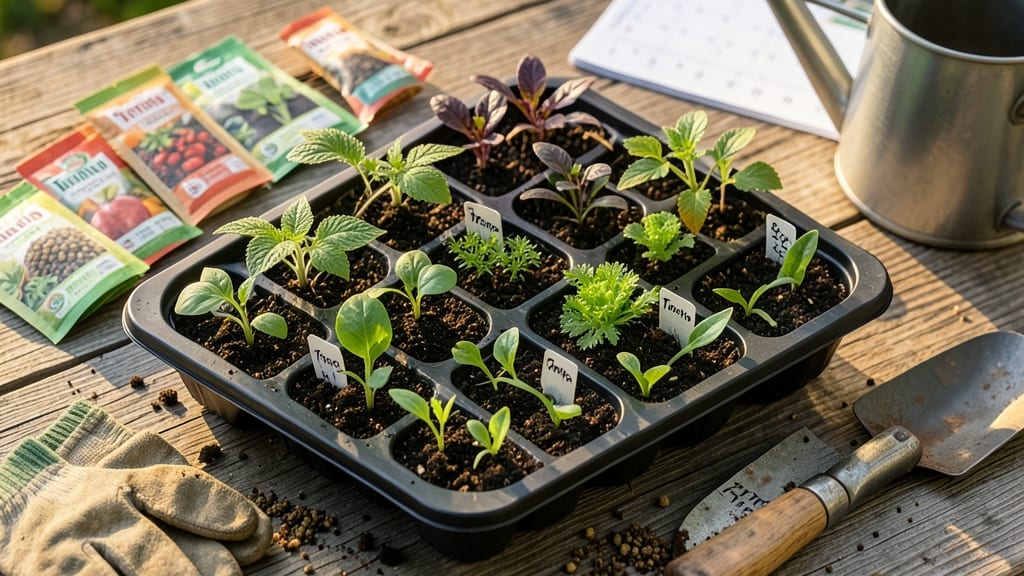
A vegetable garden planting schedule is your roadmap to a bountiful harvest, whether you're sowing cool-season greens in March or warm-season tomatoes in May.
Struggling to remember when to plant tomatoes, lettuce, or zucchini in your vegetable garden? A well-timed planting schedule can mean the difference between a thriving harvest and wasted effort—especially when factoring in your local heat zone.
This guide breaks down the month-by-month planting windows for USDA Zone 6a and beyond, so you can align your garden with nature’s calendar. We’ll cover everything from frost dates to succession planting, ensuring you get the most out of your 🌱 space year-round.
Discover how to adjust for your microclimate, avoid common timing mistakes, and download a customizable checklist to keep your garden on track—no guesswork required!

Month-by-month vegetable planting schedule by heat Zone
Timing is everything in vegetable gardening, and your USDA Heat Zone dictates when to plant everything from spinach to tomatoes. Cold-hardy crops like kale and peas thrive in early spring, while peppers and squash need warm soil to germinate.
Below, I’ve broken down the ideal planting windows for each zone, including adjustments for last frost dates and succession planting.
For example, gardeners in Heat Zone 1 (Alaska, Northern Canada) can start cool-season crops like lettuce in late May, while those in Zone 10 (Southern California, Florida) can plant warm-season crops like okra year-round. The key is aligning your planting with soil temperatures and daylight hours.
Use this schedule as a starting point, but always check your local frost dates and historical weather patterns. A general rule: plant cool-season crops 4-6 weeks before your last frost, and warm-season crops 2-3 weeks after. For succession planting, repeat plantings every 2-3 weeks for continuous harvests.
🌱
| Zone | Cool-Season Crops (Spinach, Peas, Lettuce) | Warm-Season Crops (Tomatoes, Peppers, Squash) | Succession Planting Window |
|---|---|---|---|
| 1-2 | Late May - Early June | Mid-July - Early August | Every 3 weeks (June-August) |
| 3-4 | Mid-April - Early May | Late May - Early June | Every 2-3 weeks (May-September) |
| 5-6 | Early March - Mid-April | Mid-April - Early May | Every 2 weeks (April-October) |
| 7-8 | Late January - Early March | Early March - Mid-April | Every 1-2 weeks (March-November) |
| 9-10 | September - October | Year-round (with adjustments) | Monthly (year-round) |
| 11-12 | Year-round (shade in summer) | Year-round | Bi-weekly (year-round) |
In Heat Zones 1-4, focus on early spring plantings for leafy greens and root vegetables, then shift to warm-season crops once soil temperatures exceed 50°F. For example, peas and spinach can handle light frosts, but tomatoes won’t germinate until the soil warms to 60°F.
Zones 5-8 offer longer growing seasons, allowing for two full harvests of warm-season crops. Plant early varieties of tomatoes and peppers in late April, then follow with heat-tolerant varieties in June for a fall harvest. Succession planting is key here—sow lettuce every 2 weeks from March to September.
For Zones 9-12, the schedule shifts dramatically. Cool-season crops thrive in fall and winter, while warm-season crops can be planted year-round with minimal adjustments. For instance, broccoli and cauliflower do best in cool weather, so plant them in September-October for harvests before summer heat arrives.
Pro tip: Use row covers or cold frames in cooler zones to extend your growing season. In warmer zones, provide shade cloth for heat-sensitive crops like spinach during peak summer months. Always monitor soil moisture—drought stress can delay germination and stunt growth.
💧
How to adjust your planting schedule for your local climate
Your local climate isn’t just about the USDA zone—it’s also shaped by microclimates, elevation shifts, and even nearby buildings that trap heat. These factors can push your planting window 2-4 weeks earlier or later than standard charts suggest.
For example, a south-facing slope warms up faster than a shaded valley, letting you plant warm-season crops like tomatoes weeks before your neighbors.
Start by checking your last frost date and heat accumulation units (like GDD or growing degree days) for your area. Many local extension offices provide free frost-free date maps, while online tools like PlantMap or Johnny’s Selected Seeds let you input your ZIP code for personalized timelines.
I’ve used these to adjust my pepper plantings in Zone 7b—delaying them by 10 days after the official last frost date to avoid early blights.
Here’s how to fine-tune your schedule based on real-world conditions:
Don’t forget to account for succession planting when adjusting timelines. For example, in my Zone 7 garden, I plant bush beans every 2 weeks from May to July to ensure a steady harvest.
The first batch might go in right after the last frost, while later plantings benefit from the soil’s retained warmth.
For warm-season crops, use heat accumulation charts to track progress. Most vegetables need 1,000–1,500 GDDs to mature—check your local data to know when to start seeds indoors. I’ve used this method to grow eggplants successfully in Zone 6 by starting them indoors in March and transplanting after Memorial Day.
Finally, keep a gardening journal to track what works in your microclimate. Note which years had early frosts, heatwaves, or unexpected pests—this helps you shift planting dates proactively.
Last year, my tomato plants bolted early due to a heatwave, so this year I’m planting them 10 days later and using shade cloth. Small adjustments make a big difference! 🌱