
Planting
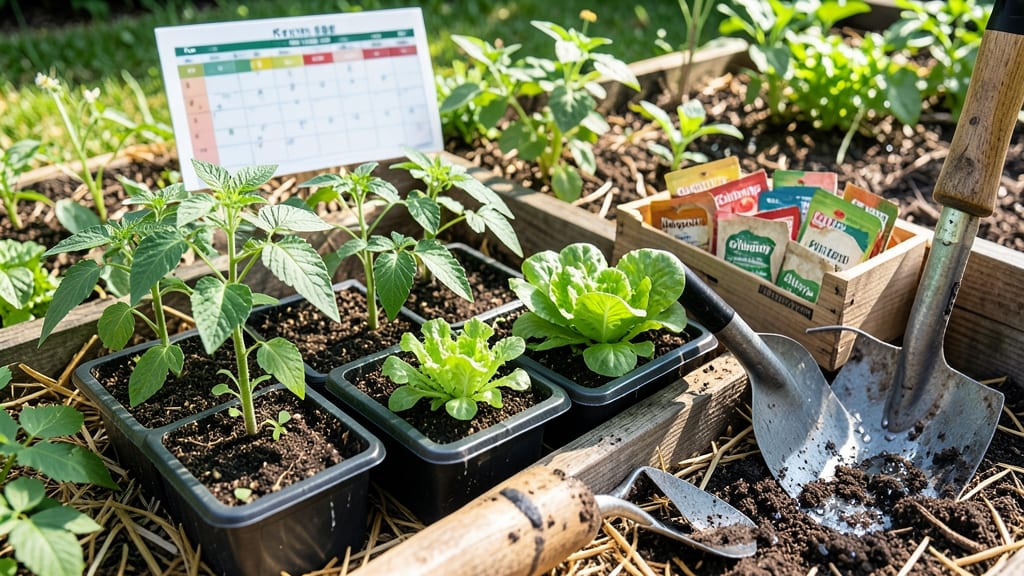
Planting your garden in NC at the right time means the difference between a bumper crop and a sad, shriveled mess—especially for zero-frost crops like tomatoes and peppers.
North Carolina’s diverse climate—from coastal humidity to mountain chill—means planting your garden at the wrong time can spell disaster for your zero-frost crops. Get the exact timing tailored to your NC microclimate to maximize yields and avoid common mistakes.
If you’ve ever rushed to plant too early and watched frost nip your seedlings or waited too long and missed the growing season entirely, you know how critical timing is. The key lies in understanding your specific USDA zone, local frost dates, and even microclimates within your region.
In this guide, I’ll break down the best planting windows for NC’s coastal, Piedmont, and mountain areas, plus how to adjust for early or late frosts.
You’ll learn how to read soil temperatures, use frost-free date charts, and even tweak timing for urban heat islands or valley chills—so you can finally get that garden thriving.
NC planting zones & microclimate-specific timing for zero-frost crops
North Carolina spans USDA zones 7a through 8b, creating dramatic differences in frost timing across just a few hundred miles.
If you plant your tomatoes, peppers, or cucumbers too early in zone 7a (mountains), you’ll risk frost damage, while coastal zone 8b gardeners can start heat-lovers weeks earlier. Let’s break down the exact last-frost averages and ideal planting windows for each microclimate.
Coastal areas like Wilmington (8b) typically see their last frost by March 15, while the Piedmont (e.g., Raleigh in 7b) averages April 1. Mountain regions like Asheville (7a) often wait until April 20 or later.
These differences mean a 6-week window separates early and late planters—critical for zero-frost crops that need warm soil to germinate.
Here’s how to use this comparison table to pinpoint your optimal planting dates based on your NC microclimate:
For tomatoes and peppers, aim to transplant seedlings 2–3 weeks after your region’s last frost date.
Coastal gardeners can start seeds indoors by February 15, while mountain gardeners should wait until March 15. Cucumbers and squash thrive with soil temps above 70°F, so plant them 2 weeks after your last frost or use black plastic mulch to warm soil faster.
Microclimates add another layer: Urban areas like Charlotte (7b) often experience heat islands that allow earlier planting, while valleys in the mountains can be 2–3 weeks later than surrounding slopes.
Observe your yard’s unique patterns—does frost linger in low spots? Does your south-facing bed warm up faster? Adjust your timeline accordingly.
Pro tip: Direct-sow heat-lovers like okra and sweet potatoes only after soil reaches 75°F. In zone 8b, this could be as early as April 15, but in zone 7a, you might wait until May 20.
Always check NC State Extension’s frost maps for your county’s 10-year averages to refine your schedule.
If you’re in zone 7b (Piedmont), consider starting eggplants and peppers indoors in mid-March to give them a head start. These crops need 100+ days to mature, so timing is everything.
For coastal zone 8b, you can even squeeze in a fall planting of heat-lovers like tomatoes after Labor Day if you use row covers for early chills.
Mountain gardeners in zone 7a should prioritize fast-maturing varieties (e.g., ‘Early Girl’ tomatoes at 55 days) and consider season extenders like cold frames. The shorter growing season demands precision—don’t rush! Wait for consistent daytime highs above 70°F before planting melons or peppers.
Remember: Frost dates are averages, not guarantees. Monitor your local 7-day forecast and have row covers ready for unexpected late frosts. With these microclimate adjustments, your zero-frost crops will thrive—no matter where in NC you garden! 🌿
How to adjust planting dates based on your local weather patterns
North Carolina’s microclimates can shift planting windows by weeks or even months. For example, the coastal plain may see its last frost in early March, while the mountains could still have frost in May.
To avoid frost damage or stunted growth, I always check three key factors: historical frost dates, soil temperature, and real-time forecasts.
Start by reviewing the NC State Climate Office frost maps, which break down average last frost dates by county. For instance, Raleigh typically hits its last frost around March 15th, but Asheville might not see its last frost until April 15th.
Adjust your warm-season planting (tomatoes, peppers, squash) accordingly—planting too early risks frost-killed seedlings.
Use the NC State Extension frost maps to find your last average frost date. For example, coastal NC (Zone 8b) can plant tomatoes by February 15th, while mountain NC (Zone 7a) should wait until April 1st.
Use a soil thermometer to confirm 50°F+ soil temps for warm crops. Peppers need 60°F+, while beans thrive at 65°F+. Coastal areas warm faster than valleys—plant 2-3 weeks earlier in urban heat islands.
Valleys stay 5-10°F colder than nearby hills. If your garden sits in a low-lying area, delay planting heat-loving crops by 10-14 days. Conversely, south-facing walls or paved surfaces create urban heat islands—plant 1-2 weeks early there.
Check the NOAA 7-Day Forecast for frost warnings or unseasonable cold. If a late frost is predicted, cover seedlings with row fabric or use a cold frame. For early planting, opt for fast-maturing varieties (e.g., ‘Early Girl’ tomatoes).
If unsure, start with cold-tolerant crops like kale, spinach, or peas 4-6 weeks before your last frost. These act as early indicators of soil readiness and can help you gauge when to plant heat-lovers.
For urban gardeners, pay extra attention to concrete heat absorption. My Raleigh garden sits near a parking lot, so I plant warm-season crops 2 weeks earlier than the county average.
Meanwhile, my friend in the Blue Ridge Mountains waits until May 1st for the same crops—her soil stays cold longer.
Pro tip: Bookmark the NC State Extension Plant Tool (https://www.ces.ncsu.edu/plant-tool/). It generates customized planting calendars based on your ZIP code, accounting for local frost risks and microclimates. I’ve used it to shift my squash planting from late April to early May in frost-prone valleys, saving my entire crop.
Remember, soil temperature matters more than air temperature. A 60°F day with 50°F soil can still shock seedlings. Always wait for consistent warmth—even if the calendar says it’s spring. When in doubt, start small with a few test plants to gauge your microclimate’s quirks.