
Planting
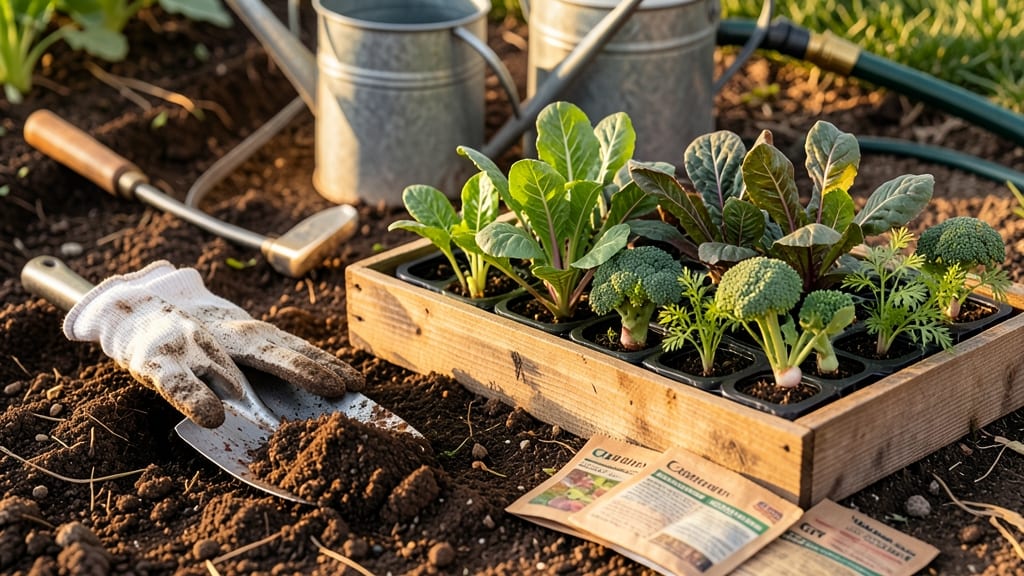
Planting a fall garden in Texas means beating the heat with heat-tolerant crops and precise timing—August through October is your golden window for a productive harvest.
Texas gardeners know that beating the summer heat is key to a thriving fall harvest—but timing your fall garden wrong can mean wilted dreams before the first frost.
With the right heat-tolerant crops and exact planting dates, you can turn your Texas garden into a productive oasis by October, even in 8a-10b zones.
Below, I break down the month-by-zone schedule, top crops for your region, and the critical mistakes that kill fall gardens before they even start.
Texas fall planting calendar by hardiness zone: exact months for heat-tolerant crops
Texas gardeners know that beating the summer heat is key to a thriving fall harvest—but timing your fall garden wrong can mean wilted dreams before the first frost. With the right heat-tolerant crops and precise planting dates, you can turn your Texas garden into a productive oasis by October.
Unlike northern states, Texas doesn't have a traditional "last frost" date, so we focus on temperature drops and day length instead.
The key to success lies in understanding your USDA hardiness zone (7-11 in Texas) and planting heat-loving crops early enough to mature before temperatures plummet. In Zone 7, you might start as early as mid-July, while Zone 11 gardeners can plant until mid-October.
Let's break down the exact planting windows for your zone, plus soil prep tips to maximize your yield.
For Zone 7 gardeners, start planting okra and sweet potatoes in mid-July to give them time to mature before temperatures drop below 50°F at night.
These crops thrive in heat but need time to establish roots. Black-eyed peas and cowpeas are excellent choices too—they fix nitrogen in the soil while producing edible pods.
In Zones 8-9, focus on Malabar spinach and yard-long beans, which can handle the transition from summer to fall beautifully. These crops tolerate heat but also produce well as temperatures cool.
Plant them in late July to early September for a continuous harvest through November. Amaranth and collards are also great options—they'll sweeten up as nights get cooler.
For Zones 10-11, you have the luxury of planting until late October, but don't wait too long.
Start with sweet potatoes in late August—they need 90-120 days to mature. Okra is another winner; plant it in mid-September for a fall harvest before temperatures drop below 40°F. Black-eyed peas and cowpeas can also be sown in late September for a quick harvest.
Soil preparation is critical in Texas's heavy clay soils. Before planting, loosen the top 12 inches of soil and mix in 2-3 inches of compost or aged manure. For sandy soils, add organic matter to help retain moisture.
Test your soil's pH level—most fall crops prefer a slightly acidic to neutral range of 6.0-6.8. If your soil is too alkaline, amend it with s
Top 7 heat-tolerant fall vegetables for Texas gardens & how to extend their season
Texas summers are brutal, but with the right heat-tolerant vegetables, you can still enjoy a bountiful fall harvest. These drought-resistant crops thrive when temperatures dip but won’t wilt in the 100°F+ heat of late summer. The key? Planting early and using mulching techniques to keep roots cool.
For my Texas garden, I focus on high-yielding varieties that produce well even under stress. Collard greens, Malabar spinach, and cowpeas are my top picks—they handle heat like champions while still delivering nutrient-packed harvests well into December.
Let’s dive into the best 7 crops and how to stretch their season.
🌱 Top 7 Heat-Tolerant Fall Vegetables for Texas
- 1. Collard Greens 🌿 Thrives in 90°F+ heat; harvest young leaves for tender texture.
- 2. Malabar Spinach 💧 Drought-tolerant; grows fast in heat (ready in 45 days).
- 3. Cowpeas (Purple Hull) 🌻 Fixes nitrogen in soil; pods mature in 60-70 days.
- 4. Okra ☀️ Loves full sun and heat; harvest pods at 3-4 inches.
- 5. Sweet Potatoes 🪴 Plant slips in July; harvest before first frost (Nov-Dec).
- 6. Black-Eyed Peas 🌱 Tolerates poor soil; ready in 60 days.
- 7. Swiss Chard 🌿 Heat-resistant; cut-and-come-again harvests extend season.
Pro Tip: Use straw mulch (3-4 inches) to retain moisture and cool roots during Texas heatwaves.
To extend the season, I plant succession crops every 2-3 weeks starting in mid-August. For example, I sow Malabar spinach in late July for an early harvest, then follow with collard greens in early September. This staggered approach ensures a continuous supply until frost.
For mulching, I swear by black plastic mulch under okra and sweet potatoes—it warms the soil faster and suppresses weeds.
For leafy greens like Swiss chard, I use straw mulch to keep roots cool. Drip irrigation in the early morning prevents water stress, and I always avoid overhead watering after 6 PM to reduce fungal risks.
One critical mistake I’ve made? Ignoring microclimates in my yard. My north-facing beds stay cooler longer, so I plant heat-sensitive crops like lettuce there in late September. Meanwhile, the south-facing beds get okra and cowpeas planted in July-August for a longer harvest window.
With these heat-tolerant varieties and smart season-extension tactics, you can enjoy fresh homegrown veggies well into December—even in Texas heat! Start planting now, and your fall garden will thank you. 🌱