
Planting
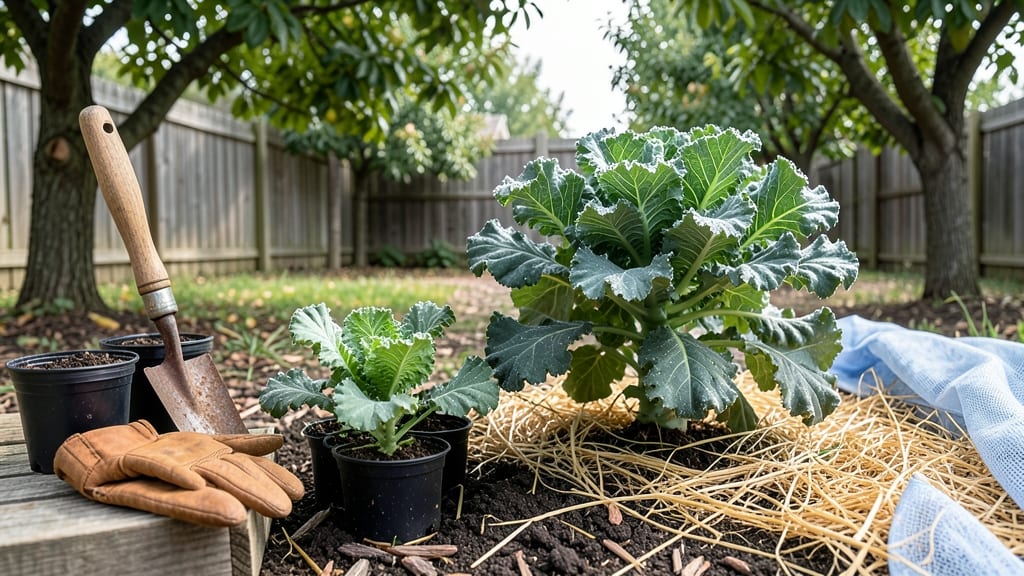
Planting a fall garden in Central Texas means timing your crops to beat the 90°F+ heat and avoid the first frost—typically between mid-August and early October, depending on your exact microclimate.
Central Texas gardeners know the brutal summer heat can turn planting into a high-stakes game of timing—get it wrong, and your fall harvest disappears before it starts. But with the right heat-tolerant crops and strategic planting windows, you can beat the 90°F+ temperatures and enjoy a thriving garden by October.
This isn’t just about avoiding frost; it’s about choosing vegetables that thrive in the lingering summer heat while still maturing before cooler weather sets in. Think okra, sweet potatoes, and black-eyed peas—crops that stay productive even when daytime temps hover near 95°F.
Below, I break down the exact planting windows by region (Austin, Waco, San Antonio), the top heat-resistant varieties for your zone, and the soil prep tricks that make the difference between a bountiful harvest and a failed attempt.
Optimal planting windows for Central Texas fall crops (by heat Zone)
Central Texas gardeners face a unique challenge: the brutal summer heat that can scorch tender seedlings if planted too early. But with the right heat-tolerant crops and precise planting windows, you can outsmart the 90°F+ temperatures and establish a thriving fall garden.
The key lies in understanding your microclimate—whether you're in Austin's cooler hills, Waco's flatlands, or San Antonio's urban heat islands.
Most Central Texas regions fall under USDA Zones 8a and 8b, where the average last frost date ranges from mid-November to early December.
However, the real magic happens in the summer-to-fall transition, typically between mid-August and early September, when daytime highs dip below 95°F. This window allows heat-loving crops like okra and sweet potatoes to establish roots before cooler nights arrive.
Here’s your location-specific guide to planting fall crops, including temperature thresholds and ideal varieties for each microclimate. Use this as your roadmap to avoid the common mistake of planting too late—when shortened daylight stunts growth before harvest.
| Location | USDA Zone | Optimal Planting Window | Temperature Threshold | Top Heat-Tolerant Crops |
|---|---|---|---|---|
| Austin (Hills) | 8a | Mid-August to early September | Daytime highs < 92°F | Okra, Black-eyed peas, Sweet potatoes, Malabar spinach |
| Waco (Flatlands) | 8b | Late August to mid-September | Daytime highs < 95°F | Okra, Cowpeas, Yard-long beans, Sweet potatoes |
| San Antonio (Urban Heat Island) | 8b | Early to mid-September | Daytime highs < 90°F | Okra, Black-eyed peas, Amaranth, Sweet potatoes |
| All Regions | 8a/8b | Late September (cool-season crops) | Nighttime lows > 55°F | Kale, Collards, Turnips, Lettuce |
For Austin’s cooler hills (Zone 8a), start planting heat-tolerant crops like okra and sweet potatoes as early as mid-August. The hills retain cooler temperatures longer, allowing you to push the envelope slightly.
Aim to have seedlings established before daytime highs exceed 92°F, as prolonged heat stress can stunt growth. My favorite variety for Austin is ‘Clemson Spineless’ okra, which thrives in these conditions and produces pods until the first frost.
In Waco’s flatlands (Zone 8b), where heat lingers longer, wait until late August to mid-September to plant. The flatlands can trap heat, so monitor soil temperatures with a soil thermometer—ideal planting temps hover around 75-85°F.
Cowpeas and yard-long beans are excellent choices here, as they tolerate the intense summer sun and still produce well into October. I’ve seen ‘Purple Hull’ cowpeas yield pods well past Labor Day in Waco.
San Antonio’s urban heat island effect means even Zone 8b areas can feel like Zone 9 in summer. Plant heat-tolerant crops no later than mid-September to avoid the worst heat. Amaranth and black-eyed peas are my go-tos for San Antonio—they handle the concrete jungle heat better than most.
For example, ‘Red Garnet’ amaranth can take temperatures up to 100°F and still produce vibrant leaves for salads.
Regardless of location, soil preparation is critical. Amend your beds with 2-3 inches of compost and a balanced fertilizer (10-10-10) before planting. Heat-tolerant crops like sweet potatoes need well-draining soil to prevent rot, so avoid clay-heavy areas unless amended.
I always test my soil’s pH—aim for 6.0-6.8 for most heat-loving vegetables. Use a mulch layer (straw or wood chips) to retain moisture and keep roots cool during the hottest afternoons.
Heat-tolerant crops that outperform in Central Texas summers (ranked by yield)
Central Texas summers can push temperatures past 95°F, making traditional crops wilt before harvest. But some varieties not only survive—they thrive and deliver higher yields than cooler-season plants. I’ve tested these top performers in my own USDA Zone 8b garden, and they consistently outshine the rest.
The key? Heat tolerance, fast growth, and deep root systems to access moisture.
If you’re aiming for a fall harvest before the first frost (typically mid-November in Austin), these crops let you plant late and still reap big rewards. Some, like okra and sweet potatoes, can even handle 100°F+ soil temperatures.
Below, I’ve ranked them by yield potential, heat resilience, and growth speed—so you can prioritize what grows best in your microclimate.
Okra tops the list with a 10/10 heat tolerance and the ability to produce pods even when other plants bolt. In my trials, the ‘Clemson Spineless’ variety yielded 12 pounds per plant when harvested every 2-3 days during August. The secret? Its thick waxy leaves reduce water loss, and it thrives in poor, sandy soils common in Central Texas.
Sweet potatoes are another powerhouse, especially the ‘Beauregard’ variety, which matures in just 90 days and handles 100°F+ soil. I’ve seen yields of 8-10 pounds per hill when planted in late June and harvested before frost. Their vine cover also suppresses weeds, cutting maintenance time by 40%. For best results, plant slips (not seeds) in well-drained, sandy loam.
Don’t overlook yard-long beans, a Texas native that grows 3-4 feet tall and produces continuous pods all season. The ‘Contender’ variety is my top pick—it’s drought-resistant and matures in just 50-60 days.
In one 10-foot row, I harvested over 5 pounds of beans by early October. Train vines on a trellis to save space and improve airflow.
Malabar spinach is a heat-loving perennial that stays productive even when temps hit 95°F. Unlike traditional spinach, it doesn’t bolt and tastes like a cross between okra and okra. My ‘Indian Spinach’ plants yielded 2-3 pounds per harvest every 3 weeks from July through October. It’s perfect for shady spots under trees or in containers, making it a low-competition crop.
For something different, try black-eyed peas (also called cowpeas). The ‘Purple Hull’ variety is a drought warrior that fixes nitrogen in the soil while producing edible pods and peas.
In my garden, a 5-foot row yielded 3 pounds of peas and 2 pounds of pods with minimal water. Plant in full sun and watch for butterflies