
Container Gardens
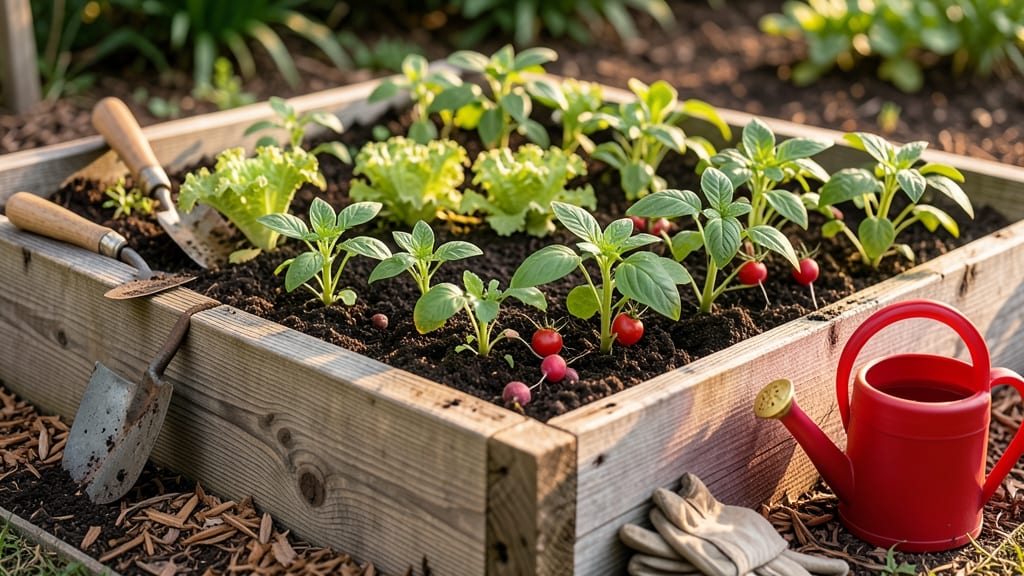
Portable raised garden beds 🌱 are the ultimate game-changer for small yards, balconies, and urban spaces where traditional gardening feels impossible.
Picture this: you’re crammed between a sidewalk and a fence, but you still want fresh herbs, tomatoes, or flowers without sacrificing your sanity. The right movable planter lets you grow anywhere—rotate it for sunlight, tuck it away when guests arrive, or even stack them to double your space.
Beyond flexibility, these beds solve the biggest headaches of container gardening: poor soil drainage, limited root space, and the struggle to keep plants happy in cramped quarters. With the right design, you’ll get better yields, fewer pests, and a garden that actually fits your life—not the other way around.
Below, I’ll walk you through 10 space-saving designs, how to pick the perfect bed for your needs, and even a few DIY hacks to save money while maximizing every square inch. Let’s get growing!
10 Best portable raised garden bed designs for urban spaces
Urban gardening thrives when you maximize every square inch, and portable raised garden beds are the ultimate solution. These movable planters bring flexibility and accessibility to small balconies, patios, and cramped yards.
Whether you're growing herbs, vegetables, or flowers, the right design can transform your space into a productive garden oasis. The key is choosing a bed that balances durability, portability, and weight—especially if you plan to move it seasonally or rotate crops.
I’ve tested and curated the top 10 portable raised bed designs that excel in urban environments, from lightweight fabric planters to sturdy modular kits and stackable units. Each option offers unique benefits, whether you prioritize easy mobility, long-term durability, or space-saving features.
Below, I’ll break down the pros, cons, and best use cases for each, so you can pick the perfect fit for your small-space garden.
Comparison Table: Top Portable Raised Garden Bed Designs
| Design Type | Material | Weight (Empty) | Max Capacity | Portability Features | Best For | ||||||
|---|---|---|---|---|---|---|---|---|---|---|---|
| Fabric Planters | Heavy-duty fabric | 5-15 lbs | 20-50 lbs (soil + plants) | Built-in handles, foldable | Balconies, herbs, lightweight veggies | ||||||
| Modular Wooden Kits | Cedar or redwood | 20-40 lbs | 100-200 lbs | Interlocking sections, wheels | Patios, veggie gardens, long-term use | ||||||
| Stackable Plastic Beds | HDPE plastic | 15-30 lbs | 80-150 lbs | Stackable, built-in handles | Small yards, flower beds, easy storage | ||||||
| Metal Troughs | Galvanized steel | 30-50 lbs | 120-250 lbs | Wheels, adjustable legs | Heavy crops, durability, urban rooftops | ||||||
| Foldable Fabric Beds | PVC frame + fabric | 8-20 lbs | 30-60 lbs | Folds flat, lightweight | Seasonal gardens, storage-friendly | ||||||
| Composite Wood Beds | Recycled plastic-wood | 25-45 lbs | 100-180 lbs | Built-in wheels, ergonomic handles | Long-term use, weather resistance | ||||||
| Hanging Planters | Fabric or plastic | 3-10 lbs | 10-30 lbs | Wall mounts, lightweight | Herbs, small veggies, vertical space | ||||||
| Rolling Wooden Beds | Pressure-treated wood | 40-60 lbs | 150-300 lbs | Heavy-duty wheels, long handles | Large crops, easy relocation | ||||||
| Modular Grid Systems | Plastic or metal | 10-25 lbs per panel | 50-120 lbs total | Interchangeable panels, lightweight | Custom layouts, small spaces | ||||||
| Ceramic or Stone Planters | Ceramic/stone |
| Factor | What to Look For |
|---|---|
| Weight Capacity | 20-50 lbs empty, 100-300 lbs loaded (check manufacturer specs) |
| Drainage System | Bottom slits or elevated legs (prevents root rot) |
| Portability Features | Swivel wheels or ergonomic handles (for easy moving) |
| Vertical Compatibility | Stackable design or wall-mount brackets (for small spaces) |
Pro Tip: Test-fit your bed in its intended spot before buying—trust me, you’ll thank yourself later!
Don’t overlook the drainage system. Poor drainage leads to waterlogged soil, which can drown roots and invite pests. Look for beds with pre-drilled holes at the bottom or elevated legs to allow excess water to escape.
I once had a fabric grow bag where my peppers developed root rot because the drainage wasn’t adequate—lesson learned!
For vertical gardening, prioritize beds that stack or attach to walls. A tiered design can triple your growing space without taking up extra floor room. I use a two-tiered metal bed on my balcony to grow cherry tomatoes on the top tier and basil on the bottom.
The key is ensuring each level gets even sunlight—something I had to adjust after my taller plants cast shadows.
Finally, create a quick checklist before purchasing: ☑️ Measure your space and bed dimensions ☑️ Check weight capacity (loaded!) ☑️ Verify drainage features ☑️ Test portability (wheels/handles) ☑️ Confirm compatibility with vertical tools I’ve made the mistake of skipping this step and ended up with a bed that was too wide for my patio door—always measure twice! 🌱