
Planting
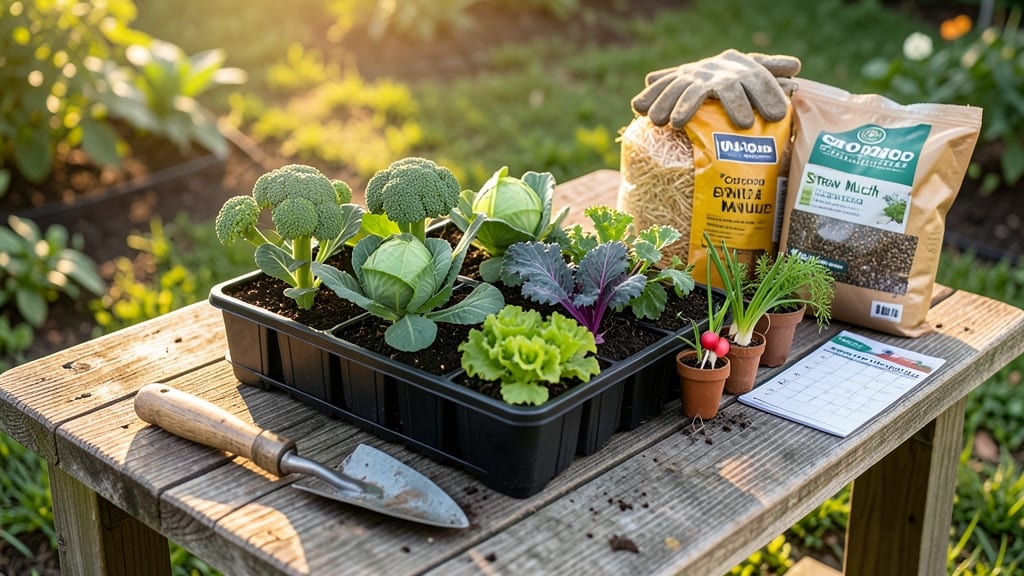
Planting a fall garden in Texas means beating the heat and first frost with precision timing—your window is narrower than you think, but the rewards are worth it.
Texas gardeners know that summer heat can turn your yard into a scorched wasteland—but fall gardens offer a second chance to grow thriving 🍅🥬 vegetables, herbs, and flowers. Timing is everything, and planting too early or late can mean the difference between a bountiful harvest and wasted seeds.
In zones 8a-10b, the key is starting 6-8 weeks before your first frost—which lands between mid-August and early October, depending on where you live. Too soon, and your seedlings will bolt in the heat; too late, and winter will steal your harvest before it ripens.
Below, I’ll break down the exact planting dates by region, the heat-resistant crops that thrive in Texas summers, and the simple tricks to extend your growing season—so you can enjoy fresh greens and root vegetables straight from your garden until December.
Texas fall planting calendar: exact start dates by hardiness Zone (7a-9b)
Timing your Texas fall garden correctly means the difference between a thriving harvest and wasted seeds. Unlike northern states, Texas's long growing seasons and variable frost dates create unique planting windows. The key is starting 6-8 weeks before your first frost while avoiding summer's lingering heat.
For Zone 7a, this means planting early August, while Zone 9b gardeners can wait until mid-September.
Texas's USDA hardiness zones range from 7a-9b, with North Texas (7a-8a) facing earlier frosts than South Texas (8b-9b). The first frost typically arrives in early December for Zone 7a but may not occur until November in Zone 9b.
This creates a 4-6 week window for fall planting, depending on your location.
Don't let the summer heat fool you—some heat-resistant crops like Malabar spinach and Okinawan sweet potato thrive in Texas's late-summer conditions. However, traditional fall favorites like kale and broccoli need cooler temperatures to perform well.
The secret is choosing fast-maturing varieties (60-70 days to harvest) and planting at the right time.
Before you plant, prepare your garden soil with compost and organic matter to improve drainage and fertility. Texas soils often struggle with clay or sandy textures, so amending with aged manure or peat moss creates ideal conditions.
Test your soil pH—most vegetables prefer a 6.0-7.0 range—and adjust with lime or sulfur if needed.
Here’s your zone-specific planting calendar for Texas fall gardens, including exact start dates and ideal crops for each zone:
| Zone | Planting Window | First Frost Date | Best Crops | Soil Prep Tip |
|---|---|---|---|---|
| 7a (North Texas) | Mid-August - Early September | December 1-15 | Malabar spinach, turnips, kale, radishes, bush beans | Add compost; mulch to retain moisture |
| 7b (North-Central TX) | Late August - Mid-September | December 10-20 | Okra, collards, Swiss chard, carrots, lettuce | Test pH; amend with lime if acidic |
| 8a (Central TX) | Early September - Late September | December 15-31 | Sweet potatoes, broccoli, cabbage, beets, cilantro | Improve drainage with sand if needed |
| 8b (South-Central TX) | Mid-September - Early October | January 1-15 | Peppers, eggplant, mustard greens, green onions, arugula | Use row covers for heat-sensitive crops |
| 9a (South Texas) | Late September - Mid-October | January 10-20 | Tomatoes, basil, spinach, radishes, bush peas | Mulch heavily to cool roots |
| 9b (Deep South TX) | Mid-October - Early November | January 20-31 | Lettuce, kale, carrots, turnips, cilantro | Plant in partial shade for late starts |
For Zone 7a, start sowing heat-loving crops like <
Best heat-resistant fall vegetables for Texas: what thrives when summer lingers
When Texas summers refuse to surrender to fall, most gardeners panic—but not you! The key is choosing heat-resistant varieties that thrive in lingering summer heat while still producing bountiful harvests.
These crops are battle-tested by Texas gardeners who've mastered the art of beating the heat. Let's dive into the top performers that turn your fall garden into a productivity powerhouse.
In my North Texas garden, I've found that collard greens and Southern peas handle 95°F+ temperatures like a breeze, while my friends in South Texas swear by heat-tolerant lettuce varieties like 'Black Seeded Simpson'.
The secret? These plants aren't just surviving—they're thriving and producing until the first frost. Let me share my curated list of heat-resistant champions.
🌱 Top Heat-Resistant Fall Vegetables for Texas
- Collard Greens - 'Georgia Southern' or 'Blue Max' varieties handle heat beautifully and become sweeter after light frosts. Plant in late August for fall harvests.
- Southern Peas (Cowpeas) - 'Purple Hull' or 'Black-Eyed Peas' tolerate heat and drought once established. Sow seeds directly in soil after last summer heatwave.
- Heat-Tolerant Lettuce - 'Black Seeded Simpson' or 'Jericho' varieties withstand 90°F+ temps. Start seeds in shade cloth in late August for transplanting.
- Okra - 'Clemson Spineless' or 'Emerald' varieties thrive in heat and produce until frost. Plant transplants in mid-August for fall harvests.
- Swiss Chard - 'Bright Lights' or 'Fordhook Giant' varieties handle heat well. Sow seeds every 2 weeks from August to September.
- Malabar Spinach - A vine-like green that loves heat and produces until frost. Plant transplants in late August for continuous harvests.
- Heat-Tolerant Herbs - 'Genovese' basil and 'Lemon Verbena' handle heat better than most. Start seeds in containers in late summer for indoor/outdoor transition.
🌡️ Pro Tip: Always check your local first frost date and plant heat-lovers 6-8 weeks before that date for optimal harvest timing.
One of my biggest successes last fall was growing 'Purple Hull' Southern peas in my raised beds. They handled the 100°F+ temperatures in September like champions and kept producing until November. The key was deep watering every other day and using mulch to retain moisture.
My neighbor in San Antonio had similar success with 'Black Seeded Simpson' lettuce—she grew it under 50% shade cloth during the hottest afternoons.
For root vegetables, consider heat-tolerant radishes like 'Cherry Belle' or 'French Breakfast'. These mature quickly (25-30 days) and can be sown every 2 weeks from August through September.
In my East Texas garden, I've also had great luck with turnips and carrots when planted in well-drained soil with consistent moisture. The secret? Succession planting—sow small batches every 2 weeks to ensure continuous harvests.
Don't forget about herbs that love heat! My Genovese basil plants produced until the first frost last year when I gave them afternoon shade during the hottest weeks. For a Texas-friendly herb garden, try growing Mexican tarragon, lemon verbena, and rosemary alongside your vegetables.
These perennials will come back year after year and handle our long, hot summers with ease.
Remember, the secret to success with heat-resistant fall vegetables is proper soil preparation and consistent care. Amend your soil with compost before planting, use mulch to retain moisture, and water deeply in the morning to reduce evaporation.
With these heat-loving varieties and proper care, you'll be harvesting fresh vegetables well into November or December, long after your neighbors have given up.