
Blooming
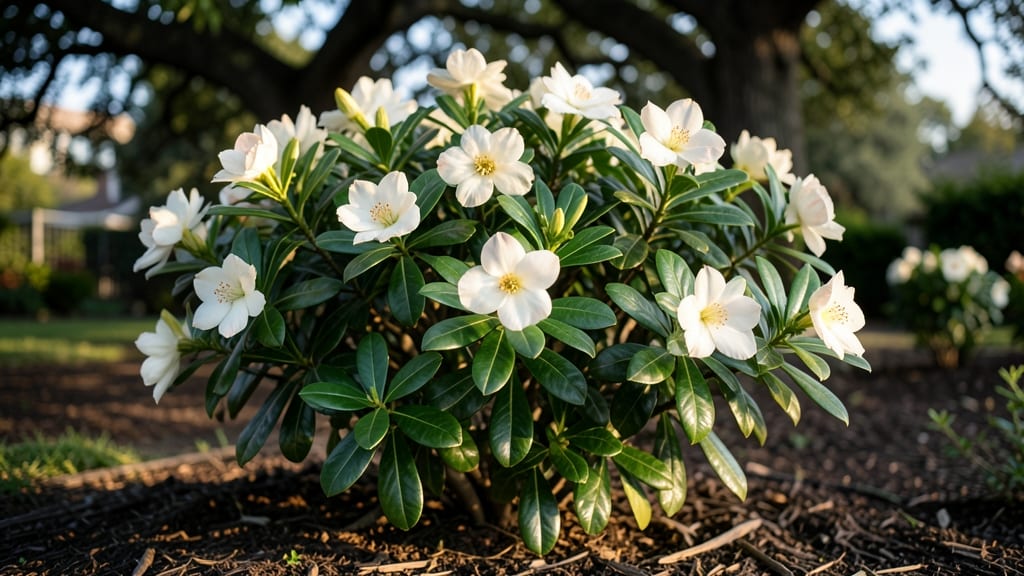
Gardenias typically bloom in late spring to early summer, with most varieties flowering between May and July, though exact timing depends heavily on your local climate and the specific plant type.
These fragrant flowers thrive when temperatures consistently reach 70°F or higher, which is why warmer regions like Florida or California often see blooms as early as April. 🌸 In cooler climates, gardenias may wait until June or even July, and some late-blooming varieties can extend their show into August.
The key to encouraging consistent blooming lies in mimicking their natural tropical environment—think bright, indirect sunlight and well-draining, slightly acidic soil.
What many gardeners don't realize is that proper pruning after flowering actually helps set the stage for next year's blooms. I've found that cutting back spent flowers in late summer (after they've faded) stimulates new growth, while avoiding heavy pruning in spring preserves the plant's energy for flowering.
For those in colder zones, providing winter protection can make all the difference in getting that first flush of blooms.
💡 In This Article
- Climate and Variety Factors Affecting Gardenia Bloom Times
- Tips to Encourage Early or Extended Gardenia Flowering
Climate and variety factors affecting Gardenia bloom times
Gardenias originate from tropical and subtropical regions, so their blooming cycles are deeply tied to temperature thresholds. The most common variety, Gardenia jasminoides, typically needs daytime temperatures consistently above 75°F to trigger flowering.
This explains why gardenias in Florida or Southern California often burst into bloom as early as April, while those in Northern climates like New York or the Pacific Northwest may not see flowers until June or July.
The plant's internal clock responds to these temperature cues—once nighttime temps dip below 60°F for prolonged periods, it enters a dormant-like state that delays blooming until conditions improve.
The humidity factor is equally critical. Gardenias thrive in environments with 50-70% humidity, mimicking their native rainforest habitats. In dry climates like Arizona or Nevada, gardenias may produce fewer blooms or bloom later in the season unless you supplement with regular misting or a humidity tray.
Interestingly, Gardenia augusta, a less common but hardier variety, can tolerate slightly lower humidity levels (around 40-50%) while still producing fragrant flowers, though its blooming period may shift toward mid-summer when temperatures peak.
The scent intensity also varies—plants in high humidity often emit a stronger, sweeter fragrance due to increased volatile organic compound production in the petals.
Light exposure plays a subtle but vital role in bloom timing. While gardenias need bright, indirect sunlight (6-8 hours daily), too much direct sun can stress the plant and delay flowering.
I've noticed that gardenias grown under 50% shade cloth in hot climates often bloom 2-3 weeks earlier than those in full sun, as the reduced heat stress allows the plant to focus energy on flower production rather than leaf protection.
Conversely, gardenias in cooler regions may require supplemental grow lights during short winter days to extend their growing season and encourage earlier blooming.
Soil conditions create another layer of influence. Gardenias demand slightly acidic soil (pH 5.0-6.5), and any deviation can stunt growth or delay blooming. In alkaline soils common to many Western states, gardenias may refuse to flower until the pH is corrected with sulfur or peat moss.
The plant's roots also need excellent drainage—waterlogged conditions trigger root rot, which diverts energy away from flower production. This is why container-grown gardenias often bloom more reliably than those in garden beds, as you can control soil composition and moisture levels more precisely.
Seasonal dormancy is another critical factor, especially for gardenias grown in temperate zones. When nighttime temperatures drop below 55°F for more than 3-4 weeks, the plant enters a partial dormancy that can delay spring blooming.
This is why gardeners in Zone 8 or higher often see two bloom cycles per year—one in spring and another in fall—while those in cooler zones may get just one.
The key is to protect gardenias from frost damage, which can kill the plant entirely or severely reduce next year's flowering potential.
Consider these regional examples to understand the variations better:
- Tropical climates (Zones 10-11): Blooms from March to September, often with continuous flowering if conditions are ideal
- Subtropical climates (Zones 8-9): Primary bloom period is May to July, with possible fall reblooming
- Temperate climates (Zones 7-8): Main bloom window is June to August, sometimes with early April blooms in microclimates
- Cooler climates (Zones 6-7): Typically July to early September blooming, often with shorter duration
The most fragrant gardenias I've grown—like the 'Kleim's Hardy' variety—often bloom slightly later than others because they prioritize developing cold-hardy foliage first. This trade-off between fragrance intensity and bloom timing is something serious gardeners should consider when selecting varieties for their climate. 🌿