
Fertilization
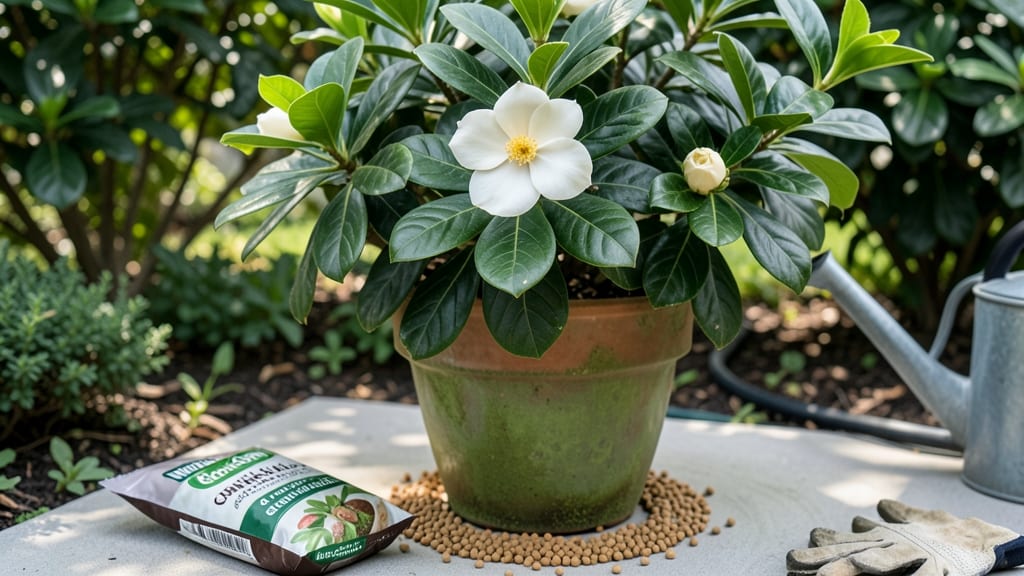
Fertilizing gardenias in Florida at the right times is the secret to year-round blooms and lush, fragrant foliage 🌸 — and missing those windows means fewer flowers and weaker plants.
Picture this: your gardenia is thriving in Florida’s 9a-11 climate, but you’re still getting sparse blooms. The issue? Most gardeners either over-fertilize in the heat or skip it entirely during the cooler months. The truth is, Florida’s frost-free seasons mean a different schedule than in colder regions.
In this guide, I’ll break down the exact months to fertilize, how to adjust for Florida’s humidity, and which fertilizers work best for that signature gardenia fragrance. No more guesswork—just science-backed timing for blooms that last.
You’ll learn when to feed for maximum flowers, how to spot nutrient deficiencies, and why your gardenia might be struggling despite your best efforts. Let’s get those 🌸 blooming like clockwork.

Best fertilizing schedule for Florida gardenias by season (with exact months)
Florida’s humid subtropical climate gives gardenias a unique advantage—they can bloom almost year-round. But without the right fertilizing schedule, your plants may struggle to produce those fragrant white flowers you love.
The key is timing: feeding too early or too late can stress your gardenias, while the perfect schedule boosts bloom production and foliage health. Coastal areas may need slight adjustments due to salt exposure, while inland regions benefit from consistent feeding.
Gardenias thrive on a balanced fertilizer with equal parts nitrogen, phosphorus, and potassium (like 6-6-6 or 8-4-8 blends), but they’re acid-loving plants that need soil pH between 5.0 and 6.5.
Organic options like fish emulsion or composted pine bark work well, but synthetic fertilizers provide faster results during critical growth phases. Below is your month-by-month guide, tailored to Florida’s seasons and regional differences.
⚠️ SUMMARY-TABLE: Florida Gardenia Fertilizing Schedule
| Month | Coastal Regions | Inland Regions | Fertilizer Type | Notes |
|---|---|---|---|---|
| January | Light feed (½ dose) | Light feed (½ dose) | Acidic slow-release | Pre-bloom boost |
| February | Full feed | Full feed | 6-6-6 or 8-4-8 | Peak bloom prep |
| March | Full feed | Full feed | Organic (fish emulsion) | Encourage new growth |
| April | Light feed | Light feed | Low-nitrogen | Avoid leaf burn |
| May | Skip or trace | Skip or trace | None | Post-bloom rest |
| June | Skip | Skip | None | Dormant phase |
| July | Skip | Skip | None | Heat stress |
| August | Skip | Skip | None | Monitor for pests |
| September | Full feed | Full feed |
5 Signs your gardenia needs fertilizer (and when to adjust your schedule)Your Florida gardenia might look stunning, but subtle changes can signal it’s craving nutrients. Yellowing leaves, sparse blooms, or slow growth often mean it’s time to adjust your fertilization schedule. Florida’s sandy soil drains quickly, so gardenias rely on consistent feeding to thrive. Let’s decode these signs and sync your feeding with your plant’s natural rhythm. First, watch for pale or yellow leaves—especially between veins. This classic sign of nitrogen deficiency means your gardenia isn’t getting enough fuel for leaf production. In Florida’s heat, this often happens when fertilizers wash out too fast. Adjust by feeding lightly every 4-6 weeks during spring and fall, when growth is most active. Skip summer feeding unless you see new leaves emerging. Next, check for fewer blooms than usual. Gardenias need phosphorus and potassium to produce flowers, but Florida’s soil often lacks these. If your plant is putting energy into leaves instead of blooms, switch to a balanced 6-6-6 or 8-4-8 fertilizer with extra phosphorus. Feed in early spring to kickstart blooming, then again in late summer for a fall flush. Slow or stunted growth is another red flag. Your gardenia might be root-bound or struggling with micronutrient deficiencies like iron or magnesium. Test your soil’s pH (5.0-6.5 is ideal)—Florida’s sandy soil often skews alkaline. If the pH is high, add sulfur or peat moss to acidify it before feeding. Adjust your schedule to feed monthly in spring and every 6 weeks in fall for steady growth. 🌿 📌 When to Adjust Your Gardenia Fertilization Schedule
⚠️ Pro Tip: Always water before fertilizing to prevent root burn. Florida’s sandy soil dries fast—soak the root zone first! Over-fertilizing is a common mistake in Florida’s humid climate. Brown leaf tips or crispy edges mean you’ve overdone it. If this happens, flush the soil with 3-4 gallons of water to leach out excess salts. Then, cut back to every 8 weeks and use half the recommended dose of fertilizer. Gardenias in pots dry out faster, so they’re more vulnerable to salt buildup—water thoroughly after each feeding. Finally, keep an eye on leaf drop or wilting, even with regular watering. This could signal root stress from too much fertilizer or poor soil drainage. Florida’s heavy rains can also leach nutrients away, so test your soil every 6 months and amend with compost or peat moss as needed. Adjust your schedule to feed after rain events to replenish lost nutrients. By tuning into these signs and syncing your fertilization with Florida’s seasons, your gardenia will reward you with lush foliage and fragrant blooms year-round. Start with a soil test, then follow the cues your plant gives you—it’s the easiest way to keep your gardenia thriving in Florida’s unique climate! 🌸 |