
Fertilization
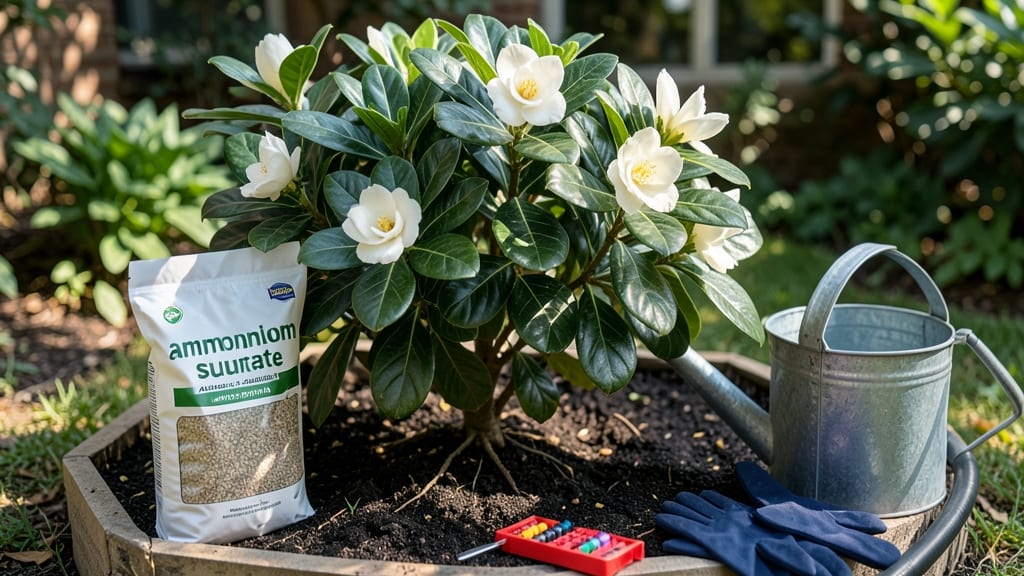
Your gardenias need acidic nitrogen fertilizer to bloom like 🌸 the showstoppers they’re meant to be—this is the one thing that turns pale leaves into glossy, fragrant perfection.
Picture this: You’ve watered, pruned, and even babied your gardenias, but those blooms still refuse to show up. The missing link? A soil pH that’s too high or nitrogen that isn’t acidic enough to fuel those scented white flowers you’ve been dreaming of.
Gardenias thrive in General (Tropical/Subtropical Climates Preferred) when their soil stays between pH 4.5 and 5.5, and nitrogen in an acidic form—like sulfur-coated urea or cottonseed meal—is the game-changer for vibrant growth and abundant blooms.
In this guide, I’ll walk you through how to pick the right acidic nitrogen fertilizer, apply it without overdoing it, and spot the telltale signs of deficiency or excess—so you can finally enjoy gardenias that look (and smell) like the stars of your yard.
Why gardenias need acidic nitrogen fertilizer (and how to spot deficiency)
If your gardenias are struggling to bloom or their leaves look pale and sparse, the issue might be hiding in your soil. Gardenias thrive in acidic soil with a pH between 4.5 and 5.5, and they crave acidic nitrogen fertilizer to fuel their lush foliage and fragrant flowers.
Without it, they’ll show clear signs of distress—like yellowing leaves or stunted growth—because they can’t access the nutrients they need. The good news? Fixing this is simpler than you think, and the results—more blooms and healthier plants—are worth the effort.
Nitrogen is the backbone of plant growth, but gardenias need a special kind of nitrogen—one that’s acidic. Regular fertilizers often raise soil pH, which can actually harm gardenias by making nutrients like iron and manganese unavailable.
Acidic nitrogen fertilizers, such as sulfur-coated urea or cottonseed meal, lower the pH while providing the nitrogen your gardenias crave. Think of it as giving your plants a double dose of what they love: food and the right environment to absorb it.
Here’s the science behind it: Gardenias are native to tropical and subtropical regions where soil is naturally acidic. Their roots struggle to uptake nutrients in alkaline soil (pH 7.0 or higher), leading to deficiencies that show up as yellowing leaves (chlorosis) or weak stems.
Acidic nitrogen fertilizers not only supply nitrogen but also create the ideal soil chemistry for your gardenias to thrive. When the pH is just right, your plants can absorb iron, phosphorus, and other micronutrients efficiently, leading to vibrant blooms and glossy leaves.
Spotting a nitrogen deficiency in gardenias is easier than you’d think. Start by checking the leaves: if they’re turning yellow between the veins while the veins stay green, that’s a classic sign of nitrogen deficiency. You might also notice stunted growth or smaller-than-usual leaves.
In severe cases, gardenias may drop buds before they open or produce fewer flowers. The good news? These symptoms are reversible with the right fertilizer and a little TLC.
Before you reach for a fertilizer, though, it’s worth testing your soil’s pH. A simple soil pH test kit (available at garden centers for under $10) can tell you exactly where your soil stands.
Aim for a reading between 4.5 and 5.5—any higher, and your gardenias will struggle to access nutrients, no matter how much fertilizer you add. If your soil is too alkaline, you’ll need to amend it with peat moss, pine bark, or sulfur to lower the pH gradually.
Patience is key here; changing soil pH takes time, but the results are worth it.
Now, let’s talk about how acidic nitrogen fertilizers work their magic. Unlike regular fertilizers, which can raise soil pH, acidic nitrogen sources like ammonium sulfate or iron sulfate blends release nitrogen in a form that gardenias can use while also lowering the pH.
This dual action addresses both the plant’s hunger for nutrients and its need for acidic soil. For example, ammonium sulfate not only provides nitrogen but also adds sulfur, which helps acidify the soil over time. It’s like giving your gardenias a nutrient boost and a pH tune-up all in one.
But here’s a pro tip: don’t overdo it. Too much nitrogen—even acidic nitrogen—can lead to leafy overgrowth at the expense of flowers. Gardenias need a balanced approach: enough nitrogen to fuel growth, but not so much that they forget to bloom.
Aim to fertilize every 4 to 6 weeks during the growing season (spring through early fall), and always follow the package instructions for dosage. Less is often more when it comes to fertilizing these finicky beauties.
If you’re still unsure whether your gardenias need acidic nitrogen fertilizer, consider this: healthy gardenias produce glossy, dark green leaves and abundant, fragrant blooms. If your plants look more like they’re struggling than thriving, it’s time to take action.
Start with a soil test, amend the pH if needed, and then introduce an acidic nitrogen fertilizer. Within a few weeks, you should see a noticeable difference in your gardenias’ vigor and bloom production.
Remember, gardenias are divas—they demand the right conditions to shine. But once you give them what they need, they’ll reward you with months of fragrant, show-stopping flowers.
So grab that pH test kit, pick up an acidic nitrogen fertilizer, and get ready to transform your gardenias from lackluster to lush. Your nose—and your neighbors—will thank you.
| GARDENIA NEED | WHY IT MATTERS | HOW TO FIX IT |
|---|---|---|
| Acidic Soil (pH 4.5–5.5) | Gardenias can’t absorb nutrients in alkaline soil, leading to yellow leaves and poor blooms. | Add peat moss or pine bark to lower pH. Test soil annually. |
| Acidic Nitrogen Fertilizer | Provides nitrogen and maintains acidic soil, preventing nutrient lockout. | Use ammonium sulfate or cottonseed meal every 4–6 weeks. |
| Balanced NPK Ratio | Too much nitrogen = leafy growth, fewer blooms. Aim for 10-10-10 or similar. | Follow package rates; reduce in late summer to encourage blooming. |
| Well-Draining Soil | Waterlogged soil causes root rot and nutrient loss. | Amend with perlite or sand; ensure pots have drainage holes. |