
Plants
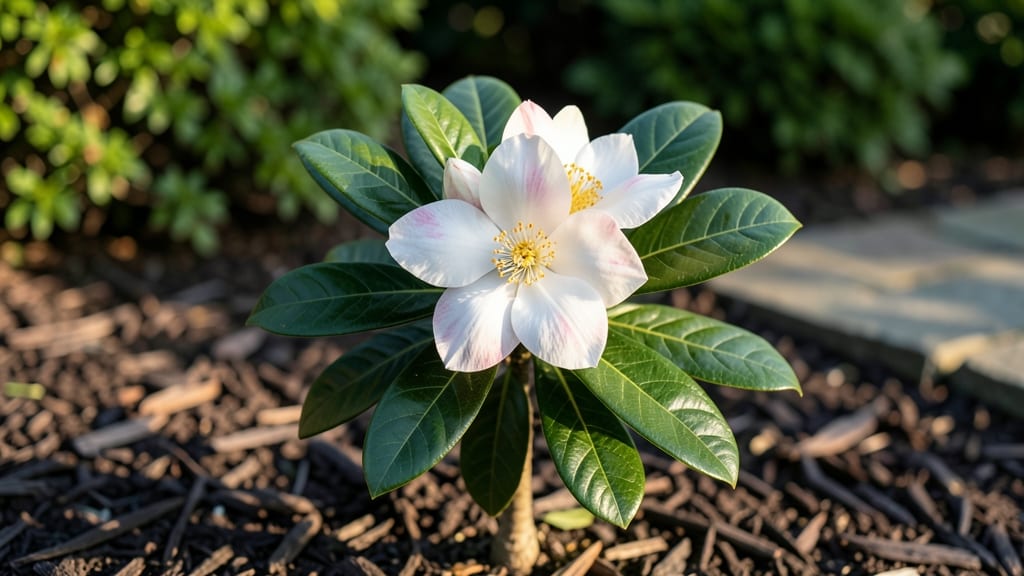
A gardenia plant blooms when it gets the right balance of sunlight, soil, and seasonal cues — and timing depends on your variety and climate.
If you’ve ever waited patiently for those fragrant white blooms 🌸 only to be met with silence, you’re not alone. Gardenias are finicky, but with the right care, they can reward you with flowers from spring through fall — or even year-round in the right conditions.
In temperate zones like 6a, most gardenias burst into bloom in late spring to summer, but tropical varieties may flower continuously if kept warm. The key? Mimicking their natural environment with acidic soil, partial shade, and a consistent feeding schedule.
Below, I’ll break down exactly when to expect blooms by variety, how climate shifts your timeline, and the simple tweaks that can turn a one-season show into a year-round display.
Gardenia bloom timing by variety: when to expect flowers
Timing your gardenia’s blooms starts with knowing its variety. Most gardenias bloom in late spring to summer, but some varieties stretch their show into fall or even winter—if you live in a warm climate.
The Gardenia jasminoides, the most common type, typically blooms from June to September, while Gardenia augusta might surprise you with flowers year-round in tropical zones. Understanding these patterns helps you set expectations and troubleshoot delays.
Visual cues like bud formation and leaf color can signal an upcoming bloom. Healthy gardenia leaves are deep green and glossy, while buds appear as tight, rounded shapes along the stems.
If your plant has leaves but no buds by early summer, it might need more sunlight or fertilizer to trigger flowering. Pay attention to these early signs—they’re your first clues!
| Variety | Peak Bloom Season | Bloom Duration | Notes |
|---|---|---|---|
| Gardenia jasminoides | June–September | 3–6 months | Most common; thrives in zones 7–10 |
| Gardenia augusta | Year-round (tropical) | Continuous | Heat-loving; ideal for zones 10–11 |
| Gardenia radicans | April–June | 2–3 months | Early bloomer; great for cooler climates |
| Gardenia ‘Kleim’s Hardy’ | July–August | 4–6 weeks | Cold-hardy to zone 6; compact size |
| Gardenia ‘Veitchii’ | August–October | 3 months | Large, fragrant blooms; needs humidity |
If you’re growing Gardenia jasminoides, the classic choice, expect buds to form in late spring (May) with flowers opening by June. This variety often reblooms in fall if conditions are right.
For Gardenia augusta, which loves heat, blooms can appear anytime in warm climates—even in winter if temperatures stay above 60°F. Watch for bud drop if humidity is too low or sunlight is insufficient.
Climate plays a huge role in bloom timing. In temperate zones (7–9), gardenias typically bloom from June to September, while in tropical zones (10–11), they may flower year-round.
If you’re in a cooler zone (6 or below), opt for ‘Kleim’s Hardy’, which blooms later in the season when heat builds. Always protect young plants from late frosts, as cold snaps can delay or prevent blooming entirely.
Pruning also affects bloom timing. Lightly prune after flowering to shape the plant and encourage new growth, but avoid heavy cuts in late summer, as this can reduce next year’s blooms.
Deadhead spent flowers to prompt reblooming, especially for varieties like ‘Veitchii’, which thrive with consistent care. Remember, gardenias bloom on old wood, so prune carefully to avoid removing next year’s flower buds.
For continuous blooming, focus on consistent moisture and high humidity. Gardenias hate dry air, so mist leaves or use a pebble tray in dry climates. In containers, blooms may be sparser due to root restrictions, but upgrading to a larger pot can improve flower production.
If your gardenia isn’t blooming, check for nutrient deficiencies—a slow-release acid-loving fertilizer in spring can work wonders.
One of my favorite tricks is to simulate seasonal changes indoors. If you grow gardenias in pots, move them outside in spring for fresh air and sunlight, then bring them back indoors before fall frosts.
This mimics natural conditions and often triggers earlier blooming. Pair this with regular deadheading and you’ll enjoy flowers well into autumn, even in cooler climates.
Don’t forget to monitor leaf color—yellowing leaves often signal overwatering or nutrient issues, while dark green leaves with no buds may need more sunlight. If your gardenia’s leaves turn purple or brown, it’s likely <
Climate & care secrets to trigger gardenia blooms year-round
Gardenias thrive when their natural blooming instincts align with your climate and care routine. These fragrant evergreens typically bloom in late spring to summer, but with the right adjustments, you can coax flowers almost year-round.
The key lies in understanding how temperature, humidity, sunlight, and even pruning timing influence their delicate bloom cycles.
In my experience, gardenias respond best to consistent conditions that mimic their tropical origins. A humidity level above 50% and partial shade protection are non-negotiable for encouraging blooms.
Even a slight dip in these factors can trigger bud drop or delayed flowering. Let’s break down the science—and the simple fixes—to keep your gardenia blooming like clockwork.
- 🌡️ Temperature Sweet Spot: Gardenias bloom best in 65–75°F ranges. Below 55°F, buds may fail to open. Use a space heater (safely!) in winter or move potted plants indoors near a sunny window.
- ☁️ Humidity Boost: Mist leaves daily in dry climates or place pots on a pebble tray with water. Aim for 60–70% humidity—this tricks gardenias into thinking they’re in their native tropics.
- ☀️ Sunlight Strategy: Morning sun only (4–6 hours max). Harsh afternoon rays cause bud drop. Use a sheer curtain or plant near a north-facing wall for filtered light.
- ✂️ Pruning Timing: Prune right after blooming (late summer) to encourage next year’s buds. Never prune in fall or winter—this disrupts dormancy and delays flowers.
- 🌱 Fertilizer Trigger: Use an acid-loving fertilizer (like 8-3-9) every 6 weeks in spring/summer. Stop fertilizing in fall/winter to let the plant rest and set buds for next season.
If your gardenia is skipping blooms, start by checking these five factors. Many gardeners overlook humidity—low levels are the #1 reason for sparse flowers. I once had a gardenia with buds forming but dropping before opening; a simple humidifier nearby solved the problem within weeks.
For year-round blooms, focus on seasonal adjustments. In winter, move potted gardenias indoors to a bright, humid spot (like a bathroom with a window).
In summer, provide afternoon shade and increase watering to deep soaks every 5–7 days. These tweaks create the perfect environment for continuous flowering.
Don’t forget: patience is key. Gardenias can take 2–3 years to mature enough for heavy blooming. If yours is young, focus on building strong roots first—use compost-rich, acidic soil (pH 5.0–6.5) and avoid over-fertilizing. The payoff? A fragrant, blooming gardenia that keeps giving all year.
Pro tip: Deadhead spent blooms regularly to redirect the plant’s energy into new buds. This simple habit can double your bloom count in just one season. With these climate and care secrets, your gardenia will reward you with show-stopping flowers—no matter the time of year. 🌸