
Planting
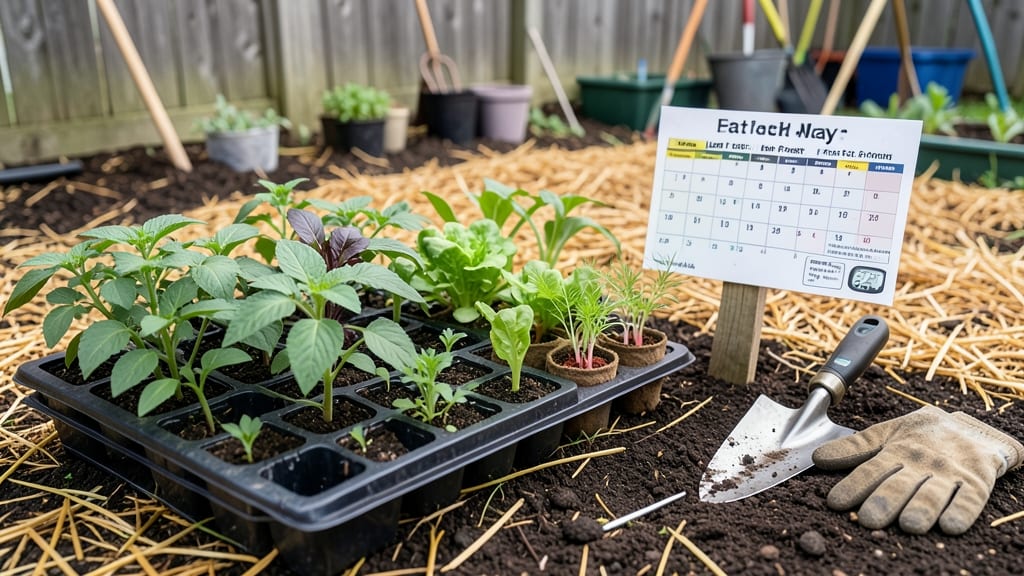
Planting a vegetable garden in New York at the right time means the difference between a thriving harvest and a frost-burned disappointment.
New York’s unpredictable spring weather can turn a gardener’s dream into a frost-burned nightmare—but timing your 🥬 vegetable garden just right ensures a bountiful harvest. Whether you’re in the chilly Adirondacks or the milder Hudson Valley, knowing the exact frost-free windows for each crop is the key to success.
For cool-season crops like lettuce and peas, you’ll want to start seeds indoors 4-6 weeks before your last frost date—typically mid-April in most of the state. Meanwhile, warm-season favorites like tomatoes and peppers need to wait until 2-3 weeks after the last frost, usually late May or early June.
Below, I break down the perfect planting timeline by USDA Zone (6a-7b), share pro tips for adjusting to late frosts, and give you a month-by-month checklist so you never miss a season again.
New York’s frost-free zones & planting dates by USDA Zone (2024 guide)
New York spans USDA Zones 4-7, meaning gardeners from Buffalo to the Hudson Valley face wildly different frost risks.
The last spring frost arrives anywhere from April 15 (Zone 7) to May 15 (Zone 4), while the first fall frost hits between October 1 (Zone 7) and September 15 (Zone 4).
These dates dictate when to plant everything from cold-hardy kale to heat-loving tomatoes, so let’s break it down by zone to avoid frost damage or wasted seeds.
For Zone 4 (northern NY), like the Adirondacks, your growing season is short—only about 120 frost-free days. Focus on fast-maturing crops like bush beans (50 days) and radishes (25 days) to squeeze in harvests before the first frost.
In Zone 7 (southern NY), you’ve got nearly 200 frost-free days, allowing for two full growing seasons if you plan carefully.
Here’s your zone-specific planting timeline, including when to start seeds indoors, transplant seedlings, and direct-sow for maximum success. Use this as your garden’s roadmap to avoid common mistakes like planting tomatoes too early or missing the window for fall broccoli.
Pro Tip: Always check your local last frost date using the Cornell Garden Resources tool or call your county extension office—they track microclimates that can shift frost dates by weeks. A false spring in April can trick you into planting too early, only to have a late frost wipe out your seedlings.
| USDA Zone | Last Frost Date | First Frost Date | Early Spring Planting (Indoors) | Late Spring Planting (Outdoors) | Summer Planting |
|---|---|---|---|---|---|
| Zone 4 | May 1-15 | Sep 15-Oct 1 | Mar 15-Apr 1 (cold crops) | May 20-Jun 1 (warm crops) | Jul 15-Aug 15 (succession) |
| Zone 5 | Apr 20-May 5 | Sep 25-Oct 10 | Mar 1-Apr 15 | May 10-Jun 10 | Jul 1-Aug 20 |
| Zone 6 | Apr 10-25 | Oct 1-15 | Feb 28-Apr 1 | Apr 25-May 20 | Jun 15-Aug 10 |
| Zone 7 | Apr 1-15 | Oct 15-30 | Feb 15-Mar 31 | Apr 15-May 10 | Jun 1-Aug 5 |
In Zone 4, prioritize cool-season crops like spinach, peas, and potatoes for early spring planting. These can handle light frosts and even thrive in cooler soil. For warm-season crops such as tomatoes, peppers, and cucumbers, wait until after your last frost
Best vegetables to plant in New York by month (from seed to harvest)
New York’s diverse climate—from the cool, wet springs of the Adirondacks to the warmer summers of Long Island—means your planting schedule must adapt. The key to a thriving garden lies in matching each vegetable’s frost tolerance with your local last frost date (typically mid-April in most regions).
For example, spinach and peas can handle light frosts, while tomatoes and peppers need warm soil to thrive.
Urban gardeners in New York City face microclimates where sidewalks and buildings create heat islands, while rural areas like the Hudson Valley offer longer growing seasons. Adjust your soil prep too: urban containers dry out faster, while rural loam retains moisture longer.
Test your soil’s pH (aim for 6.0–7.0) and amend with compost before planting—this is non-negotiable for nutrient-hungry crops like corn and squash.
- March: Start cool-season crops indoors (e.g., lettuce, kale) or plant hardy greens outdoors if soil isn’t frozen. Use row covers for protection.
- April: Sow peas, radishes, and spinach 4–6 weeks before last frost. Transplant onions and broccoli once soil reaches 40°F.
- May: Plant warm-season crops (e.g., tomatoes, peppers) 2–3 weeks after last frost. Succession-sow beans and cucumbers every 2 weeks.
- June: Direct-sow corn and sweet potatoes. Harvest early spring greens and replace with summer squash.
- July: Begin fall planting for kale, carrots, and beets. Use shade cloth for heat-sensitive crops like lettuce.
- August: Sow garlic and spinach for fall harvest. Extend season with cold frames for herbs like cilantro.
- September: Plant cool-season crops (e.g., radishes, arugula) for early fall harvests. Avoid planting warm-season crops this late.
For continuous harvests, practice succession planting. For example, sow lettuce every 2 weeks from April to September to avoid bolting. In urban gardens, prioritize compact varieties like bush beans or patio tomatoes, while rural plots can accommodate vining crops like pole beans or zucchini.
Always check seed packets for days to maturity—this dictates your harvest window.
New York’s late-summer heat can stress plants, so mulch heavily to retain moisture. Straw or wood chips work best, keeping roots 5–10°F cooler than surface temps. In Zone 6a (e.g., Albany), aim to harvest warm-season crops by early October before frost hits.
Save cool-season crops like cabbage for fall planting—they’ll sweeten after light frosts!
Pro tip: Use NY-specific varieties like ‘Early Girl’ tomatoes or ‘Winterbor’ kale, bred to thrive in shorter seasons. For urban gardeners, raised beds warm up faster in spring, giving you a 2-week head start on planting.
Always keep a garden journal to track what works—your future self will thank you.
With this month-by-month guide, you’ll avoid the common pitfalls of planting too early or too late.
Start small, experiment with one new crop per season, and soon you’ll be enjoying homegrown tomatoes in July and kale in November—all while beating New York’s unpredictable weather at its own game! 🌱