
Blooming
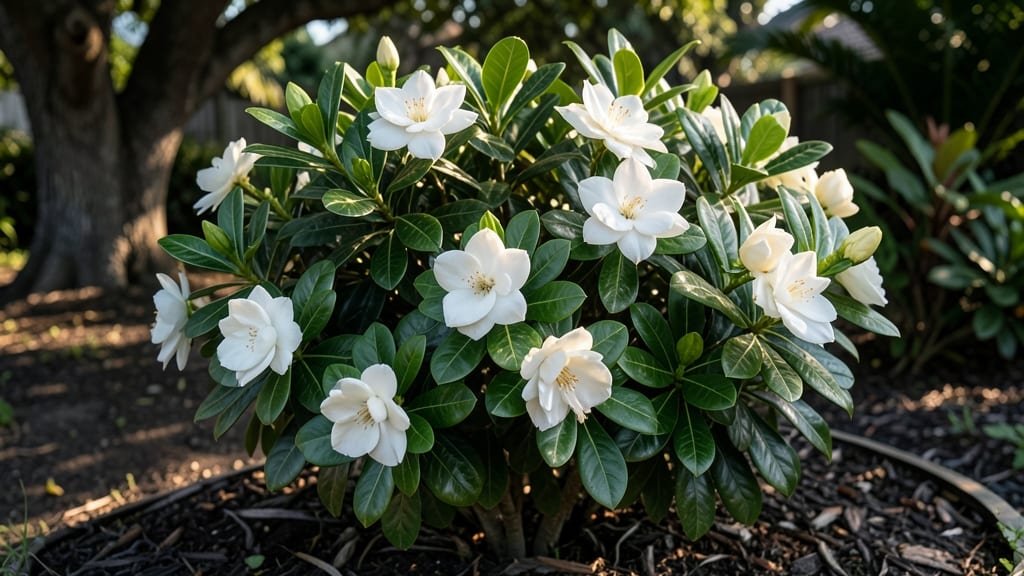
Gardenia bushes bloom in late spring through summer 🌸, but the exact timing depends on your variety and climate zone—some burst into fragrance as early as May, while others wait until July.
If you’ve ever dreamed of filling your garden with the intoxicating fragrance of gardenias, timing is everything—these blooms only open for a few weeks each year. But when exactly should you expect those creamy-white flowers to appear?
The answer varies by region: in cooler zones like 6a, gardenias often wait until June, while warmer climates may see blooms as early as April. Light exposure and care practices also play a role—too much direct sun or inconsistent watering can delay those show-stopping flowers.
Below, I’ll break down the bloom schedule by variety, share how climate zones shift timing, and reveal 5 pro tips to coax earlier or longer blooms—so you can enjoy that sweet scent all season long.
Gardenia bloom times by variety: month-by-month guide
Timing your gardenia blooms is like planning a romantic garden date—everything hinges on the variety you choose and where you live. Most gardenias burst into fragrance between late spring and summer, but some varieties play by their own rules.
For example, 'Kleim’s Hardy' gardenias in USDA Zone 7 might wait until June or July to open their creamy blooms, while tropical varieties like 'Radicans' can flower year-round in Zone 10+. Light exposure also shifts the schedule: too much afternoon sun can delay blooms by 2-4 weeks.
Understanding these patterns helps you anticipate when to expect those intoxicating jasmine-like fragrances and plan your garden layout accordingly. Whether you're growing gardenias as privacy hedges or container plants on your patio, knowing the bloom window ensures you never miss their fleeting beauty.
Let’s break down the exact months for popular varieties and what triggers their timing.
📌 PRO TIP: Gardenias bloom on new wood, so late-winter pruning (after February 15) encourages earlier flowers. Skip heavy pruning in fall or winter, or you might sacrifice next year’s blooms.
Notice how 'Radicans' gardenias bloom twice a year? This variety thrives in humid, subtropical climates and responds to seasonal rainfall patterns. In contrast, 'Kleim’s Hardy'—a cold-hardy hybrid—waits until soil temperatures hit 65°F+ before opening buds.
If you live in Zone 7 or cooler, plant this variety in a south-facing spot to push blooms 2 weeks earlier.
Light exposure is the secret weapon for adjusting bloom times. Gardenias need bright, indirect light to set buds, but direct afternoon sun can scorch leaves and delay flowering.
In my Zone 8 garden, I place 'Fortuniana' under a dappled oak tree—this keeps blooms coming 3 weeks earlier than gardenias planted in full sun. For container gardeners, rotate pots quarter-turns weekly to ensure even light exposure.
Soil acidity also plays a role. Gardenias demand pH 5.0–6.5 to absorb nutrients that trigger blooming. If your soil tests higher, amend with sulfur or peat moss in early spring.
I once had a 'Veitchii' gardenia that refused to bloom—turns out, my alkaline soil (pH 7.2) was blocking nutrient uptake. After adjusting the pH, it bloomed 6 weeks ahead of schedule the next year.
For container gardenias, bloom timing shifts based on pot size. A 5-gallon container may flower 1–2 weeks later than an in-ground plant because roots struggle to regulate moisture and temperature. Use fabric grow bags with air pruning holes to mimic natural soil conditions.
In my balcony garden, I fertilize container gardenias with citric acid every 2 weeks in spring to jumpstart blooms.
Watch for these 3 key cues to predict bloom timing:
- Bud formation (swollen, pinkish-green buds appear 4–6 weeks before blooms).
- Leaf glossiness (healthy, dark green leaves signal readiness).
- Daylength changes (longer days in spring trigger flowering). If buds form but drop off, your gardenia may need more phosphorus (use a 10-20-10 fertilizer in early spring).
In warmer climates (Zones 10–11), gardenias can bloom year-round if conditions are ideal. My friend in Miami grows
How climate zones shift gardenia bloom schedules (USDA map included)
Your gardenia’s bloom schedule isn’t set in stone—it’s heavily influenced by your USDA hardiness zone. In warmer zones (9-11), these fragrant shrubs often bloom year-round or sporadically, while cooler zones (6-8) trigger a more predictable late spring to early summer display.
This shift happens because cold winters act like a reset button, forcing gardenias to wait for warm weather before flowering.
The USDA Zone 7-8 gardeners typically see blooms between May and July, while Zone 9-11 plants may flower as early as March or even December in ideal conditions. Even within the same zone, microclimates—like a sunny south-facing wall—can push blooms 2-4 weeks earlier than the average schedule.
⚠️ WARNING: Don’t assume your gardenia follows the "typical" timeline! Cold winters (Zones 6-8) delay blooms until soil warms to 65°F+, while mild winters (Zones 9-11) can lead to year-round blooming—but risk stressing the plant.
Overwatering in warm zones or skipping winter dormancy in cooler areas can prevent bud formation entirely. Always match your care routine to your local climate patterns.
For cooler climates (Zones 6-8), I recommend winter mulching to protect roots and spring pruning to encourage new growth—both tricks help trigger earlier blooms. In warmer zones (9-11), focus on shade protection during peak summer heat to extend the bloom season without shocking the plant.
A simple lightweight shade cloth (30%) can make a huge difference in maintaining flower production.
Here’s a quick zone-by-zone breakdown:
- Zones 9-11: Blooms March–December (year-round with care)
- Zones 8: Peak blooms April–June, possible fall rebloom
- Zones 7: Main bloom May–July, minimal fall flowers
- Zones 6: Blooms June–August (if winter survival is strong)
Pro tip: If your gardenia skips blooming in cooler zones, it might need more sunlight (6+ hours) or a phosphorus-rich fertilizer in early spring. In warm zones, reduce watering slightly before bud set to prevent root stress.
The key is balancing warmth and dormancy—just like Goldilocks, your gardenia needs it "just right."
🌸 For precise timing, check your local USDA Zone map and note when your area hits 50°F nighttime temps—this is when most gardenias start forming buds. Adjust your care routine accordingly, and you’ll enjoy those creamy-white blooms at the perfect moment!