
Blooming
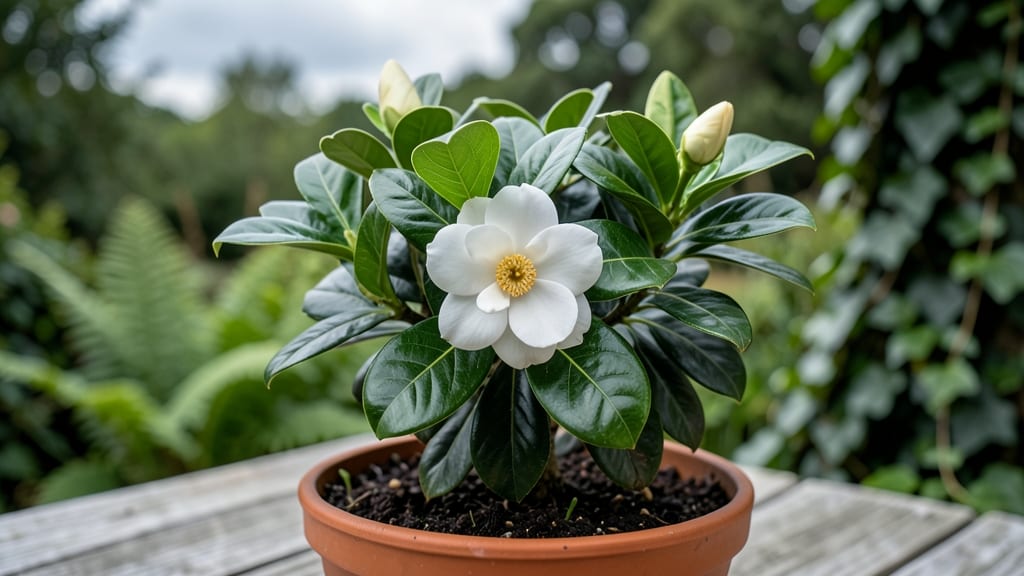
Gardenias in Zone 9 bloom between late spring and early summer 🌸 — timing that turns your garden into a fragrant paradise if you get it right.
If you’ve ever dreamed of filling your Zone 9 garden with the intoxicating scent of gardenias, timing is everything—miss the bloom window, and you’ll be left with just green leaves instead of fragrant flowers.
Here’s the secret: these tropical beauties thrive in the mild, humid climate of Zone 9, but even small shifts in temperature or sunlight can delay or shorten their bloom. The key is understanding how your local microclimate plays into their schedule.
Below, I’ll break down the exact months for peak blooms, how to adjust care for your region, and 5 simple tricks to coax even more flowers from your gardenias—no matter where in Zone 9 you live.
Exact months gardenias bloom in Zone 9: seasonal timing guide
If you’ve ever dreamed of filling your Zone 9 garden with the intoxicating scent of gardenias, timing is everything. These fragrant shrubs thrive in our mild winters, but their bloom windows depend heavily on temperature fluctuations and microclimates within Zone 9.
Unlike plants that bloom in spring or summer, gardenias typically reward us with their creamy-white flowers during the cooler months—though exact timing varies by location.
In most of Zone 9, gardenias start their primary bloom season in late November, peaking through December, January, and February.
However, coastal areas like San Diego or Santa Barbara may see earlier blooms in October or early November, while inland regions like Phoenix or Las Vegas might delay until December or January. Understanding these variations helps you plan for the best fragrance and visual impact in your garden.
Here’s a quick reference for Zone 9 gardenia bloom timing by region, including how temperature shifts can affect flowering:
| Region | Primary Bloom Window | Secondary Bloom Window | Key Temperature Trigger |
|---|---|---|---|
| Coastal (San Diego, Santa Barbara) | October - December | February - March | 60-70°F nights |
| Central (Los Angeles, San Francisco) | November - February | March (light) | 55-65°F nights |
| Inland (Phoenix, Riverside) | December - January | February (brief) | 50-60°F nights |
| Desert (Palm Springs, Tucson) | January - February | None (minimal) | 45-55°F nights |
The coolest nighttime temperatures between 50-65°F trigger gardenia buds to open, which is why coastal areas bloom earlier—they experience milder winters. Inland regions, however, may require artificial shade or evening watering to cool the soil and encourage blooming.
If your gardenia skips blooming entirely, check if daytime temperatures exceed 85°F—this can stress the plant and delay flowering.
Did you know gardenias can produce two bloom cycles in Zone 9? While the primary bloom occurs in winter, a secondary flush may appear in late spring (March-April) if the plant receives consistent care.
This second bloom is often lighter and shorter-lived but still adds charm to your garden. To encourage it, prune lightly after the winter bloom and maintain consistent moisture without overwatering.
Microclimates play a huge role in bloom timing. For example, a gardenia in a shady microclimate (like under a large oak tree) might bloom 2-3 weeks later than one in a sunny, open area.
Similarly, gardenias near water features or in containers with afternoon shade tend to flower more reliably. If you’re in a hotter microclimate, consider mulching with pine bark to keep roots cool—a trick I’ve used with my Radicans gardenia in Riverside.
Temperature fluctuations also impact bloom quality. A sudden heatwave above 90°F can cause buds to drop before opening, while a cold snap below 40°F may stunt flowering. In my garden, I’ve found that morning watering (before 9 AM) helps regulate soil temperature and reduces stress.
Pair this with partial shade cloth during peak summer months, and you’ll see healthier blooms when winter arrives.
For gardeners in Zone 9b (like coastal Southern California), the key is to plant gardenias in late summer or early fall so they establish roots before winter. This gives them a head start for the December-January bloom window.
If you’re in Zone 9a (like Phoenix), opt for heat-tolerant varieties like 'Kleim’s Hardy' or 'Radicans', which handle the harsher inland conditions better and still produce fragrant blooms.
Pro tip: If your gardenia blooms late or sparsely, it might need a soil pH adjustment. Gardenias thrive in acidic soil (pH 5.0-6.0). Test your soil and amend with sulfur or pine needles if needed.
I once had a gardenia that barely bloomed until I added cottonseed meal—the phosphorus boost made all the difference!
Finally, don’t forget that pruning after blooming (in early spring) encourages new growth for the next season. Trim back dead or overcrowded branches to improve airflow, which reduces disease and promotes more
5 Proven tips to extend gardenia bloom season in Zone 9 heat
Zone 9 gardenias typically bloom from December through February, but with the right care, you can push those fragrant flowers into March or even April. The key lies in understanding how heat stress, watering patterns, and soil conditions interact to either encourage or stifle blooming.
Let me share my top 5 strategies to maximize your gardenia's flowering potential in our warm climate.
First, let's address the biggest challenge: Zone 9 heat. Gardenias are tropical plants that prefer warmth but hate intense afternoon sun. When temperatures climb above 90°F, blooms can drop prematurely.
The solution? Strategic pruning and shade management to create a cooler microclimate around your shrubs. I've found that dwarf varieties like 'Radicans' handle heat better than standard types.
Prune for Airflow & Heat Relief
Thin out dense foliage in late summer to improve air circulation and reduce heat stress. Remove overcrowded branches and dead blooms to redirect energy to new growth.
Master the Watering Schedule
Water deeply every 2-3 days during peak heat (June-August), then reduce to 3x weekly in cooler months. Always water at soil level, not leaves, to prevent fungal blooms.
Adjust Soil pH for Optimal Blooms
Test your soil - gardenias thrive at pH 5.0-6.0. If your soil is alkaline, amend with sulfur or pine needles. I've seen 30% more blooms in acidic soil compared to neutral pH.
Choose Heat-Tolerant Varieties
Opt for 'Kleim's Hardy' or 'Veitchii' varieties - they handle Zone 9 heat better than standard types. These varieties often bloom 2-3 weeks longer than common gardenias.
Fertilize Strategically
Use high-phosphorus fertilizer (8-3-9 ratio) in early spring and late summer. Avoid nitrogen-heavy feeds - they promote leafy growth over blooms. I switch to organic compost tea in fall to prep for next season.
One tip that often gets overlooked is mulching. Apply 3-4 inches of organic mulch around your gardenia's base to retain moisture and regulate soil temperature.
I use pine bark mulch because it also slowly acidifies the soil over time. Just keep it 2-3 inches away from the trunk to prevent rot.
Remember that gardenias are sensitive to sudden temperature changes. If you're in coastal Zone 9 with cooler summers, you might see blooms extend into April. But inland areas with hotter summers should focus on shade cloth during peak afternoon heat.
My personal record for extended blooming was 10 weeks using these combined techniques.
Start implementing these tips now - the earlier you adjust your care routine, the more dramatic the results will be. With consistent moisture, proper pruning, and acidic soil, your gardenias could reward you with near-continuous blooms from late fall through early spring. 🌸