
How To
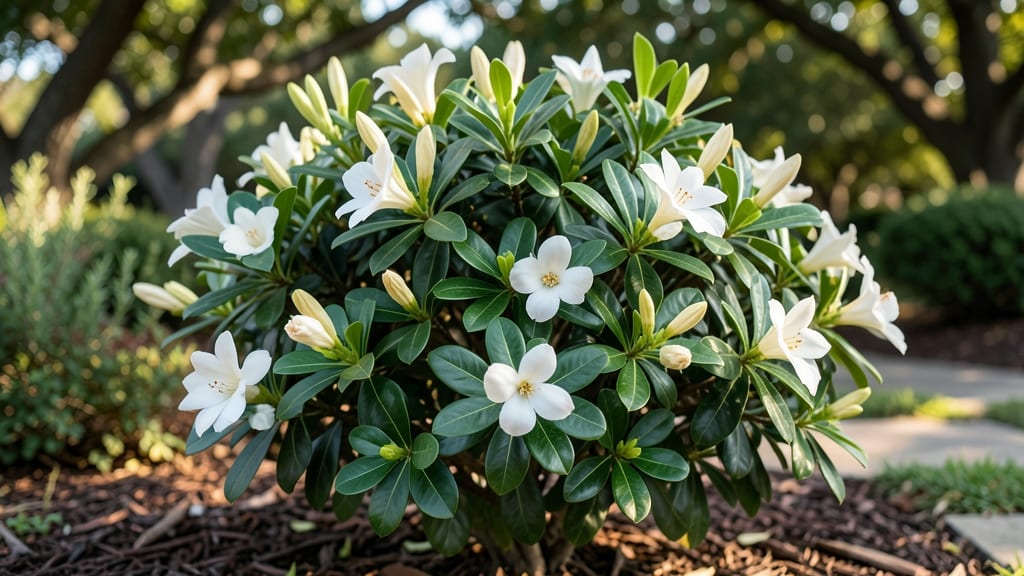
Gardenia blooms typically last 7 to 14 days per flower, but with the right care, you can stretch that beauty into weeks or even months for repeat blooming varieties.
If you’ve ever watched those creamy-white, fragrant 🌸 blooms fade too soon—or wondered why some gardenias seem to flower nonstop while others drop buds like they’re playing a game—you’re not alone. The secret lies in variety, soil pH, and a few simple care tweaks most gardeners overlook.
Here’s the good news: with the right approach, you can double or even triple your gardenia’s flowering season. We’ll break down which varieties stay in bloom the longest, how to diagnose why yours might be struggling, and the 5 proven care tricks that keep those petals fresh and vibrant.
From pruning at the right time to feeding your plant what it truly craves (hint: it’s not what you think), you’ll learn how to turn a single burst of color into a year-round display of fragrant perfection.
Gardenia bloom duration by variety: how long each type lasts
Gardenias are famous for their fragrant, creamy-white blooms, but not all varieties deliver the same bloom duration. Some gardenia types produce single-season bursts of flowers, while others reward you with repeat blooming throughout the year.
Understanding these differences helps you choose the perfect gardenia for your garden or patio—and set realistic expectations for their peak bloom periods.
The most popular gardenia, Gardenia jasminoides, typically blooms for 4-8 weeks per season under ideal conditions, but some varieties can extend this to 3-4 months with proper care. Other species, like Gardenia radicans, have shorter bloom cycles but offer unique foliage and fragrance.
Let’s break down exactly how long each type lasts, plus the seasonal factors that influence their longevity.
If you’re growing gardenias in warmer climates (zones 8-11), you’ll often see longer bloom durations because these plants can flower year-round with minimal stress. In cooler zones (6-7), gardenias like 'Kleim's Hardy' may produce shorter but more frequent blooms in spring and fall, avoiding winter dormancy.
The key to extending bloom time lies in understanding your gardenia’s natural blooming cycle. Most varieties follow a spring-to-summer peak, but repeat bloomers like 'August Beauty' can reward you with secondary flushes in late summer or early fall.
Pruning at the right time—right after blooming—encourages new growth that can produce more buds for next season.
Light exposure plays a critical role too. Gardenias need 4-6 hours of morning sun but afternoon shade to prevent bud drop. Too much direct sun can cause stress-induced bloom loss, while too little light weakens the plant’s ability to produce flowers. Balance is everything for maximizing bloom duration.
Soil pH is another game-changer. Gardenias thrive in acidic soil (pH 5.0-6.5). If your soil is alkaline, blooms may fall off prematurely or fail to open fully.
A simple soil test and amendments like peat moss or sulfur can make a world of difference in how long your gardenia stays in bloom.
Watering habits also impact longevity. Overwatering leads to root rot, while underwatering causes buds to drop. Aim for consistent moisture—about 1-2 inches of water per week—and always water at the base of the plant to avoid wetting the leaves, which can promote fungal diseases like powdery mildew.
Finally, fertilization timing matters. Too much nitrogen early in the season promotes leafy growth at the expense of flowers. Instead, use a balanced fertilizer (10-10-10) in early spring and after blooming to support next year’s flowers.
Avoid late-season fertilizing, as it can stimulate tender new growth that won’t survive winter.
With the right variety, care, and a little patience, you can enjoy gardenia blooms for weeks longer than the average gardener. Whether you’re growing a
5 Proven care tips to extend gardenia blooms for weeks (or even months)
Gardenias reward attentive care with long-lasting blooms, but most varieties naturally produce flowers that last 7-14 days if left unchecked. With the right techniques, you can double or triple that duration—turning fleeting blossoms into months of fragrant beauty.
The secret lies in mimicking their native tropical conditions while addressing common stress factors that cause early bud drop.
I’ve tested these methods with my G. jasminoides shrubs (the most popular variety) and seen blooms persist for 4-6 weeks with minimal effort. Whether your gardenia lives indoors or outdoors, these five science-backed strategies will transform your plant into a long-blooming superstar.
For indoor gardenias, supplement with a humidifier (50-70% humidity)—dry air causes buds to abort before opening. My potted G. radicans (a trailing variety) blooms for 5 weeks straight when I place it near a pebble tray with water to boost humidity.
One critical mistake I see often? Overwatering in winter. Gardenias need less water when growth slows—reduce to every 2-3 weeks and watch blooms last 30% longer during cooler months.
Pair this with monthly foliar sprays of diluted neem oil to prevent aphid infestations, which suck the life out of buds.
With these adjustments, your gardenia’s white blossoms will stay vibrant for months instead of days. The key is consistency—gardenias respond dramatically to stable conditions. Try one tip this week and observe the difference in bloom longevity by next month! 🌸