
How To
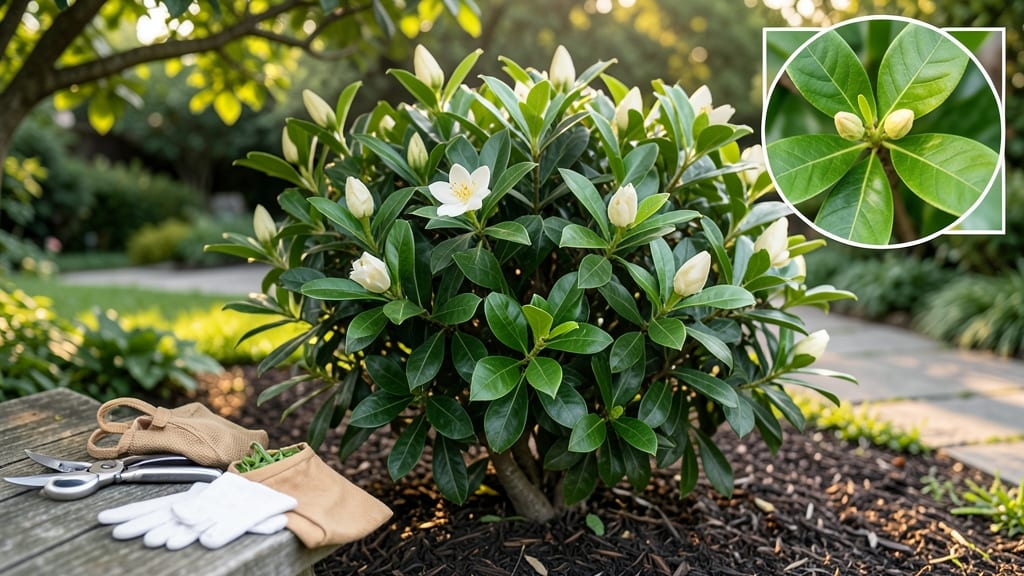
Cut back your gardenia bush in late winter—just as new growth begins—to set the stage for abundant, fragrant blooms all season.
If you’ve ever pruned too early and missed the bloom window, or too late and risked frost damage, you know timing is everything.
The 2-3 week window between dormancy and spring growth is your sweet spot, and I’ll show you exactly how to nail it—plus the tools and tricks to avoid common mistakes.
Most gardeners wait until after flowering, but that’s the fastest way to stunt next year’s blooms. Instead, we’ll focus on shaping your 🌸 before the buds form, so you get thicker stems, more branches, and—most importantly—those intoxicating white flowers you planted for.
Ready to transform your gardenia from a struggling shrub to a fragrant showstopper? Here’s how to prune for healthier growth, bigger blooms, and fewer headaches—step by step.
The perfect late-winter timing for pruning gardenia bushes
If your gardenia bush has been struggling to produce those show-stopping, fragrant blooms you love, the issue might be timing your pruning cuts. Gardenias are sensitive plants, and pruning at the wrong time can stunt blooms or even kill new growth.
The key to unlocking your gardenia’s full potential lies in understanding the optimal late-winter window—a precise 2-3 week period that varies by climate zone.
Late winter is the sweet spot for pruning gardenias because it allows the plant to recover before spring growth while avoiding the risk of frost damage. This timing ensures your bush enters the growing season with strong, healthy stems ready to support abundant blooms.
But timing isn’t one-size-fits-all—your USDA hardiness zone and whether your gardenia is an early or late bloomer will influence the exact date.
For most gardeners in USDA Zones 7-10, the ideal pruning window opens in late February to early March, just as dormancy ends but before new buds swell. In colder zones (6 or below), wait until mid-to-late March to avoid unpredictable frost that could harm freshly pruned branches.
Miss this window, and you risk pruning too early (stressing the plant) or too late (cutting off potential blooms).
Adjusting your pruning schedule based on your gardenia’s blooming habits is crucial. Early bloomers, like Gardenia jasminoides ‘Kleim’s Hardy’, produce buds in late spring to early summer.
For these varieties, delay pruning until mid-March to avoid cutting off next year’s flower buds, which form on old wood. On the flip side, late bloomers (like ‘Radicans’) flower in summer or fall, so you can prune as early as February without risking blooms.
One of the biggest mistakes gardeners make is pruning after their gardenia has already bloomed. Cutting back in summer or fall removes next year’s flower buds and stimulates weak, leggy growth.
Instead, think of late winter as your reset button: you’re shaping the plant to maximize airflow and sunlight penetration, which reduces disease and encourages stronger, more abundant blooms.
If you’re in a region with unpredictable frost patterns, like the Pacific Northwest or Appalachian Mountains, err on the side of pruning later.
A light frost after pruning can kill new growth, so monitor your local extended forecast and aim to finish pruning at least 2 weeks before the last expected frost. For container gardenias, bring them indoors or to a frost-free garage until the coast is clear.
Pro tip: Pair your late-winter pruning with a light application of compost or slow-release fertilizer to give your gardenia a nutrient boost as it wakes up. Avoid heavy fertilizers, which can burn roots when the plant is still dormant.
Instead, focus on hydration and mulch to protect roots and retain moisture as temperatures rise.
Remember, the goal of pruning gardenias isn’t just about shaping the bush—it’s about setting the stage for a spectacular bloom season. By locking in the right timing, you’ll reward yourself with lush, fragrant blooms that’ll make your garden the envy of the neighborhood.
And if you’re unsure about your exact zone or blooming type, check your gardenia’s tag or consult a local nursery—they’ll have the insights tailored to your area!
Ready to transform your gardenia’s future? Grab your pruners and mark that late-winter window on your calendar—your fragrant, blooming bush will thank you! 🌸
Step-by-step guide: how to prune gardenia bushes for healthier blooms
Pruning your gardenia bush isn't just about shaping—it's a critical step to encourage vibrant blooms and healthy growth. When done right, you'll trigger new flower buds while keeping your plant disease-resistant. Start by gathering the right pruning tools and understanding where to make your cuts.
First, grab a pair of clean, sharp pruning shears—dull blades can crush stems and invite pests. A disinfectant solution (like 1 part bleach to 9 parts water) will sterilize tools between cuts.
For larger branches, a hand pruner or pruning saw works best. Always wear gloves to protect your hands from the plant's sap, which can irritate skin.
-
Step 1: Remove Dead or Diseased Wood
Identify brown, mushy, or hollow branches—cut these back to healthy green wood using a 45-degree angle. This prevents spread of disease and redirects energy to new growth.
-
Step 2: Trim Overcrowded Branches
Look for crossing or rubbing branches. Cut one of the two so they don’t compete for nutrients. Aim to open up the center for better airflow and sunlight.
-
Step 3: Shape the Bush
Use hand pruners to trim overly long branches back to a bud or leaf node. Avoid cutting into old wood—focus on new growth near the tips.
-
Step 4: Encourage Bushier Growth
Pinch back tips of new shoots to stimulate branching. This creates a fuller, more compact shape and sets the stage for more blooms next season.
-
Step 5: Clean Up and Apply Fertilizer
Rake up clippings to reduce disease risk. After pruning, apply a balanced fertilizer (like 10-10-10) to boost recovery. Water deeply to settle roots.
After pruning, your gardenia bush will need extra care to bounce back strong. Water the base deeply but thoroughly to replenish moisture lost during cutting. Avoid overwatering, which can drown roots—stick your finger 1 inch into soil; water if it's dry.
For the next 4-6 weeks, keep an eye out for new growth near the pruned areas. If you notice yellowing leaves or drooping branches, your plant may be stressed.
Adjust watering or move to partial shade until it recovers. A light mulch layer (like pine bark) will retain moisture and protect roots.
Remember, gardenia bushes reward patience—prune at the right time (late winter), use the correct techniques, and your plant will thank you with fragrant blooms all season long. Happy pruning! 🌸✂️💧