
Tools
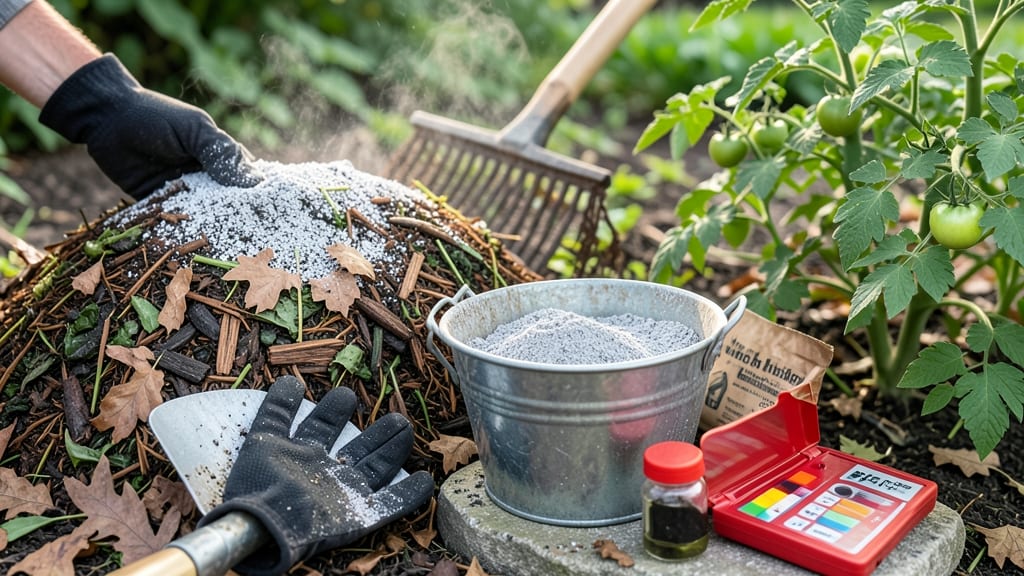
Using wood ashes in your garden can raise soil alkalinity and supply potassium, but requires careful application to prevent over-alkalizing or plant damage. Use sparingly (1-2 pounds per 100 sq ft) and test soil pH first—especially for acid-loving plants like blueberries or azaleas.
Wood ashes work by neutralizing acidic soils through their alkaline properties, primarily from calcium carbonate and potassium oxide. 🔥 The potassium boost helps with flowering and fruiting, but too much can disrupt soil microbes or harm plants that prefer acidic conditions.
I always recommend mixing ashes lightly into the topsoil rather than piling them—this prevents localized pH spikes that can burn plant roots. For best results, use only untreated hardwood ashes (no painted wood or chemically treated lumber) and apply in early spring when plants are actively growing.
Another key tip: never use wood ashes on newly planted seedlings or tender perennials, as the sudden pH shift can stress young roots. Instead, target established vegetables like tomatoes, peppers, or brassicas that thrive in slightly alkaline soils.
If your garden soil is already neutral or alkaline, skip the ashes entirely—there’s no benefit to forcing the issue.
💡 In This Article
- How Wood Ashes Affect Soil pH and Plant Health
- Safe Wood Ash Application Methods for Gardens
How wood ashes affect soil pH and plant health
The alkaline magic of wood ashes comes from their high calcium carbonate and potassium oxide content. When spread on soil, these compounds react with acidic hydrogen ions (H+), neutralizing them through a chemical process called liming. This raises the soil's pH level, making it less acidic.
For example, a single application of 1 pound of wood ash per 100 square feet can raise soil pH by 0.5 to 1.0 points in acidic soils, transforming a pH of 5.5 to a more neutral 6.5—ideal for many vegetables.
Beyond pH adjustment, wood ashes supply essential nutrients like potassium, which promotes strong root development and vibrant flowering. A typical ash sample contains about 4-10% potassium oxide, along with trace amounts of phosphorus and micronutrients like boron and manganese.
However, the real game-changer is how these nutrients interact with soil microbes. While potassium boosts plant growth, excessive ash can disrupt beneficial bacteria and fungi that thrive in acidic conditions, creating an imbalance that stunts nutrient uptake.
Different soil types react uniquely to wood ash. In clay soils, which naturally hold moisture and nutrients well, the alkaline boost can be beneficial for crops like tomatoes or peppers that prefer slightly alkaline conditions.
But in sandy soils, where nutrients leach quickly, the same application might not last long enough to make a difference. The key is testing your soil's pH first—most home test kits cost under $10 and give you precise readings to guide your approach.
Overuse is the biggest risk, especially for plants that love acidity. Blueberries, azaleas, and hydrangeas (which produce stunning blue flowers in acidic soil) can suffer from yellowing leaves or stunted growth if exposed to too much ash.
The calcium in wood ash also binds with phosphorus in the soil, making it less available to plants—a problem called phosphorus fixation.
This is why I always recommend a light hand: 1-2 pounds per 100 sq ft is plenty for most gardens, and even that should be mixed into the top 2-3 inches of soil rather than piled on the surface.
Another critical factor is the type of wood burned. Only untreated hardwood ashes (from oak, maple, or fruit trees) are safe for gardens—softwoods like pine or cedar contain harmful resins, and treated wood ashes may leave toxic chemicals behind.
Always use ashes that are fully cooled and sifted to remove large chunks, which can create hot spots that burn plant roots. The fine, powdery texture of properly sifted ash mixes evenly into soil, ensuring even distribution of its benefits.
Think of wood ash as a fine-tuning tool rather than a fix-all. It’s perfect for gardens where soil tests reveal a pH below 6.0, but it’s not a substitute for proper soil amendment strategies like composting or using organic matter.
The goal is balance: enough to support your plants without disrupting the delicate ecosystem beneath your feet. 💫