
Planting
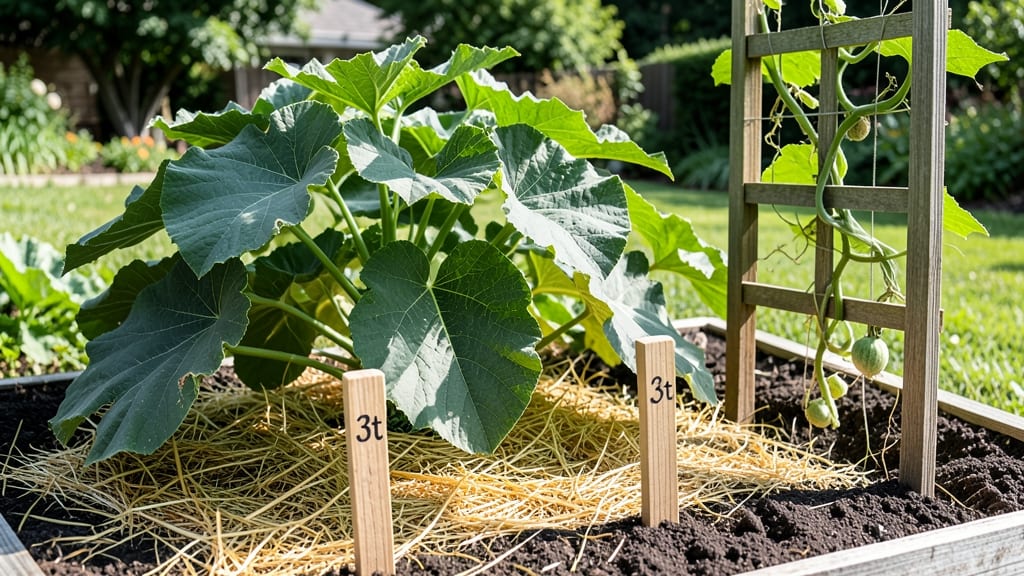
Proper squash spacing in garden determines whether your plants thrive or wither—it’s the difference between a bumper crop and a battle with pests and disease.
Picture this: you’ve just planted your 🎃 seeds in early May, eager for summer harvests, only to watch your zucchini vines sprawl chaotically, shading each other and inviting squash bugs. That’s the cost of guessing instead of measuring.
Good spacing isn’t just about fitting more plants—it’s about airflow, sunlight access, and giving roots room to stretch. In Zone 6a, where spring turns to summer quickly, the right placement means fewer diseases and bigger yields by July.
Below, I’ll break down the exact distances for bush vs. vining varieties, how to adjust for small spaces, and the telltale signs your plants are crowded. No more wasted effort—just science-backed spacing that works.
Optimal squash spacing by variety: summer vs winter squash planting charts
Getting the right squash spacing makes all the difference between a bountiful harvest and a garden full of struggling vines. Squash plants fall into two main categories: summer squash (like zucchini) and winter squash (like butternut), each with unique spacing needs.
Too close, and you’ll battle diseases and poor fruit development; too far apart, and you waste precious garden real estate. Let’s break down the science-backed spacing rules to maximize your yield without overcrowding.
Squash plants thrive when given room to spread their vine systems and develop strong roots. Summer squash varieties tend to be more compact, while winter squash often sprawl across larger areas. Understanding these differences helps you plan rows, hills, and companion plants effectively.
For example, a zucchini plant might need just 2 feet of space, while a pumpkin could require a whopping 5 feet in all directions. Let’s dive into the specifics to help you design your garden layout for success.
Why spacing matters: Proper spacing ensures good air circulation, which reduces humidity and fungal diseases like powdery mildew. It also allows each plant to access enough nutrients and water, leading to larger, healthier fruits. Even if you’re short on space, knowing the right distances will help you avoid common mistakes that stifle growth. Let’s explore the ideal spacing for each popular variety.
| Variety | Type | Plant-to-Plant Distance | Row Spacing | Vine Spread | Notes |
|---|---|---|---|---|---|
| Zucchini | Summer Squash | 2–3 feet | 3–4 feet | 3–6 feet | Bush variety; harvest young for best flavor. |
| Yellow Squash | Summer Squash | 2–3 feet | 3–4 feet | 4–5 feet | Vining type; trellis for vertical growth. |
| Butternut Squash | Winter Squash | 3–4 feet | 4–5 feet | 6–10 feet | Needs ample space; long vines. |
| Acorn Squash | Winter Squash | 2–3 feet | 3–4 feet | 4–6 feet | Compact bush type; great for small gardens. |
| Pumpkin | Winter Squash | 4–5 feet | 5–6 feet | 10–15 feet | Large vines; plant at edge of garden. |
| Spaghetti Squash | Winter Squash | 3–4 feet | 4–5 feet | 6–8 feet | Long vines; needs trellis or space. |
For summer squash like zucchini and yellow squash, closer spacing works because these varieties mature quickly and produce fruit early in the season. Plant them in hills (groups of 3–4 seeds) spaced 3–4 feet apart to encourage strong root systems.
If you’re growing bush varieties, you can even squeeze them into tighter spaces, but avoid planting more than 2–3 plants per hill to prevent overcrowding.
Winter squash, on the other hand, requires more room because their vines spread widely and they take longer to mature. Butternut squash and spaghetti squash need at least 3–4 feet between plants and 4–5 feet between rows to accommodate their sprawling growth habits.
If you’re growing pumpkins, give them even more space—up to 10–15 feet between vines—to ensure they have room to develop large fruits without competing for nutrients.
One trick I use in my garden is to plant companion plants like beans or radishes between squash rows. These fast-growing plants help maximize space by filling gaps early in the season while providing nutrients to the soil.
Just be sure to avoid planting squash near potatoes or other nightshades, as they can compete for resources or attract similar pests. Proper spacing and companion planting work together to create a thriving, efficient garden layout.
If you’re working with limited space, consider vertical trellising for vining varieties like butternut squash or yellow squash. Training vines upward not only saves space but also improves airflow, reducing the risk of fungal diseases.
How to adjust squash spacing for small gardens, containers, and vertical growth
If your garden space is limited but you still dream of a bountiful squash harvest, don’t despair! With the right techniques, you can grow thriving squash plants in containers, small garden plots, or even vertically.
The key lies in selecting compact varieties, optimizing vertical growth, and using smart companion planting to maximize every inch of space without sacrificing yield or plant health.
For urban gardeners and balcony growers, traditional spacing rules—like the 3-4 feet between vining squash plants—just won’t work. Instead, we’ll explore how to adapt spacing for containers, trellises, and even companion plant pairings that keep pests at bay while saving space.
Whether you’re growing zucchini, butternut squash, or bush varieties, these strategies will help you grow more in less space.
🔹 Here’s how to adjust squash spacing for small spaces:
- 🌱 Choose compact or bush varieties: Opt for bush zucchini (e.g., 'Eight Ball' or 'Patio Star') or mini pumpkins (e.g., 'Jack Be Little'), which mature at 2-3 feet tall and spread only 2-3 feet wide. These thrive in 5-gallon containers or small garden beds with 18-24 inches between plants.
- 🪴 Use containers with depth: For vining squash like butternut or spaghetti squash, select containers with at least 12-18 inches of depth and 18-24 inches in diameter. Place one plant per container and train vines upward with a trellis or cage to save floor space.
- 🌿 Train vines vertically: Install a 6-foot trellis or A-frame structure near your squash plants. Vining varieties like yellow squash or acorn squash will climb and spread horizontally, allowing you to fit 2-3 plants per 4-foot trellis instead of sprawling across the ground.
- 🌿 Companion plant to save space: Pair squash with bush beans, marigolds, or nasturtiums. These plants deter pests like cucumber beetles and squash bugs, allowing you to space squash slightly closer (12-18 inches apart) without risking disease or infestation.
- 🌱 Interplant with fast growers: Start squash seeds alongside radishes or lettuce, which mature quickly. Once the squash vines fill in, remove the fast growers to make room for more squash hills or other crops like basil or peppers.
- ✂️ Prune strategically: For vining squash, prune side shoots to encourage upward growth and reduce sprawl. Focus on keeping the main vine healthy and supported, which can double your vertical space compared to ground-spreading plants.
- 💧 Mulch to retain moisture: Apply 2-3 inches of mulch (straw or shredded leaves) around containerized or closely spaced squash. This helps retain soil moisture, reduces weeds, and keeps roots cool—critical for small-space gardening where soil dries out faster.
When adjusting squash spacing for small gardens, remember that airflow is non-negotiable. Even in containers or vertical setups, ensure plants aren’t crowded so tightly that humidity builds up, inviting fungal diseases like powdery mildew.
If you’re growing in containers, elevate them slightly to improve drainage and prevent root rot.
For balcony growers, consider hanging baskets with trellises for compact varieties like 'Space Master' zucchini. These can produce 5-10 pounds of zucchini in a 5-gallon container, proving that even the tiniest spaces can yield big rewards with the right approach.
Start small, experiment with spacing, and don’t hesitate to thin seedlings early to give remaining plants the room they need to thrive.
With these techniques, you’ll transform limited space into a productive squash haven—no sprawling vines required! 🌿