
Picking
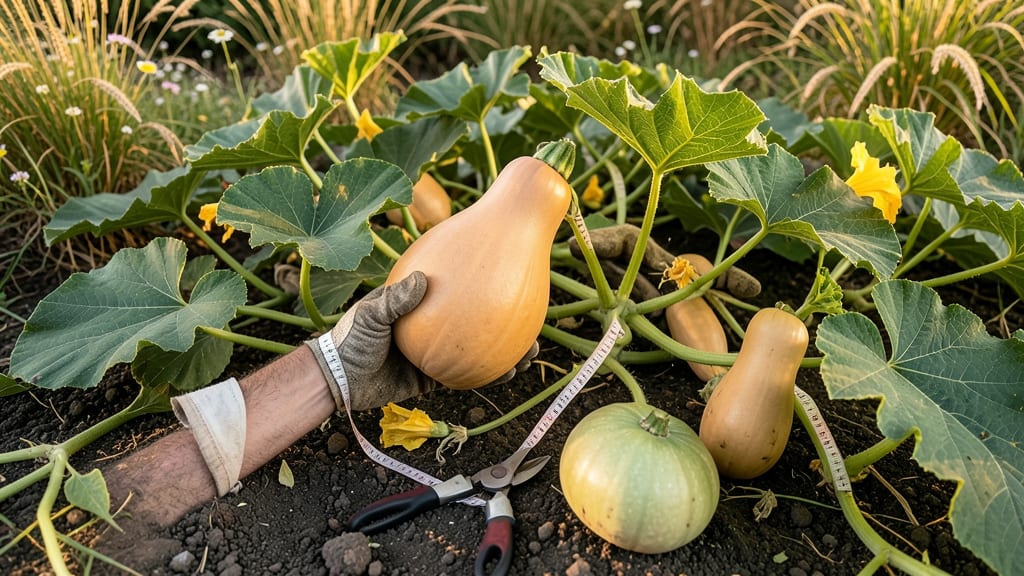
Harvesting butternut squash from the garden at the right time means the difference between sweet, tender flesh and a tough, flavorless mess.
Picture this: you’ve waited months for your vines to flourish, only to pick a squash that’s still pale inside or already turning mushy. That’s why timing is everything—especially in Zone 6a, where a late frost can sneak up faster than you think.
Below, I’ll walk you through the three foolproof signs your butternut squash is ready—no guesswork required. We’re talking rind hardness, stem dryness, and that perfect golden glow, plus how to test for sweetness without cutting into every squash.
Once you master these cues, you’ll never waste another harvest again. Let’s get started.
3 Visual and physical signs your butternut squash is ready to harvest
Harvesting butternut squash at the perfect moment transforms your garden effort into sweet, flavorful rewards. The key lies in three reliable visual cues that signal ideal ripeness—without needing to cut open every squash.
I’ve learned these tricks through years of trial and error, and they’ll save you from the frustration of tough flesh or overripe squash that spoils too quickly.
First-time growers often worry about harvesting too early, but these physical signs take the guesswork out of timing. Whether you’re growing butternut squash in raised beds or traditional rows, these indicators apply universally. Let’s dive into the definitive checklist that’ll have you harvesting like a pro in no time.
- 1 Rind Hardness Test: Press your fingernail into the squash’s skin. If it doesn’t puncture easily and feels firm, it’s ready. Early squash will dent like ripe fruit.
- 2 Stem Drying: The stem should look dry and papery, almost shriveled. A green, plump stem means more time on the vine is needed. Twist it gently—it should separate cleanly from the squash.
- 3 Vine Yellowing: The vines should start turning yellow and dying back naturally. This signals the plant is redirecting energy to the squash. If vines are still green and lush, wait another week.
Beyond these visual cues, I’ve discovered a simple sweetness test that works wonders. Gently tap the squash with your knuckles—it should sound hollow and deep, like a drum.
A dull thud means it’s not ripe enough. This trick eliminates the need to cut into multiple squash just to check their readiness.
One common mistake I see is harvesting by size alone. While butternut squash typically reach 3-5 pounds, some varieties stay small but still pack maximum flavor. Always combine weight, rind hardness, and vine condition for the most accurate assessment.
Pro tip: Weigh a few squash—if they’re consistently in this range and meet the other signs, you’re golden.
Timing is everything when it comes to butternut squash harvest. In my zone 6a, I aim to pick squash 2-3 weeks before the first frost to avoid spoilage. If frost is imminent and your squash aren’t ready, cover them with row fabric for a few extra days.
But remember, overripe squash on the vine won’t recover—they’ll rot faster once harvested.
Don’t overlook the color change either. Mature butternut squash develop a rich tan or golden hue, especially near the stem. Early squash often retain a greenish tint. This color shift is your final confirmation that the squash has fully matured and stored enough sugars for that perfect flavor.
For those growing butternut squash in containers, keep an eye on these same signs—but be extra vigilant. Container-grown squash can mature faster due to limited space, so check them every 3-4 days once they near the ideal size.
I’ve had container squash ready for harvest 10-14 days earlier than their in-ground counterparts, so adjust your schedule accordingly.
Once you’ve confirmed all three signs, it’s time to harvest. Use a sharp knife or pruners to cut the squash, leaving a 1-2 inch stem attached. This helps prevent rot during storage. Handle them gently—bruised squash spoil faster, so avoid dropping or stacking them.
Now that you’ve mastered the art of spotting perfectly ripe butternut squash, you’re ready to enjoy the fruits of your labor. Store them in a cool, dry place (50-55°F) for up to 3 months, or cure them for even longer storage.
The next step? Learning how to store them properly—but that’s a story for another time.
Butternut squash harvest mistakes that ruin your crop (and how to avoid them)
Harvesting your butternut squash at the wrong time can turn a sweet, flavorful reward into a tough, bland disappointment. Even experienced gardeners sometimes make critical errors—like picking too early or leaving squash on the vine too long—that compromise quality and shelf life.
The good news? Most of these mistakes are easy to avoid once you know the warning signs.
One of the biggest blunders is harvesting based on calendar dates instead of the squash’s actual readiness. A 100-day variety might take 110 days to mature in cooler climates, while a 90-day variety could be ready sooner.
Ignoring visual cues in favor of guesswork leads to underripe squash with watery flesh or overripe ones that spoil quickly.
Another common trap is assuming that because the vine looks healthy, the squash inside is too. Yellowing vines signal maturity, but the fruit itself must meet specific hardness and color standards. Skipping these checks often results in squash that’s either too soft or hasn’t developed its signature sweetness.
🔴
Signs you’re harvesting prematurely: - Rind yields to fingernail pressure (should be rock-hard) - Flesh is pale yellow (ripe squash is deep orange) - Weight is under 3 pounds (mature squash: 3-5 lbs) Fix: Wait 5-7 more days and recheck—patience pays off!
Leaving squash on the vine past their prime is another frequent mistake. Once the first frost threatens, harvest immediately—even if they’re not perfectly ripe. Frost-damaged squash develop soft spots and rot faster, making them unusable. If you’re unsure, prioritize harvesting smaller, fully mature squash over larger ones that might still be developing.
Storage mistakes often follow harvest errors. Uncured squash stored in damp conditions spoil within weeks, while properly cured and dried squash last 2-3 months in cool, dark spaces.
I’ve seen gardeners rush to refrigerate their harvest, but butternut squash stores best at 50-55°F with 60-70% humidity—not the cold, dry air of a fridge.
To salvage imperfect harvests, focus on curing and proper handling. Lay squash in a warm (80-85°F), dry spot for 10 days to harden the rind before storing. If you missed the curing window, keep squash in a paper bag (not plastic) to prevent moisture buildup.
Even slightly underripe squash can improve in flavor if stored correctly.
Remember: harvest timing is about balance. Aim for squash that’s fully colored, hard-skinned, and vine-yellowed, but don’t wait until the vines collapse. With these tips, you’ll avoid the most common pitfalls and enjoy a harvest that’s sweet, storable, and satisfying—no guesswork required. 🎃