
Picking
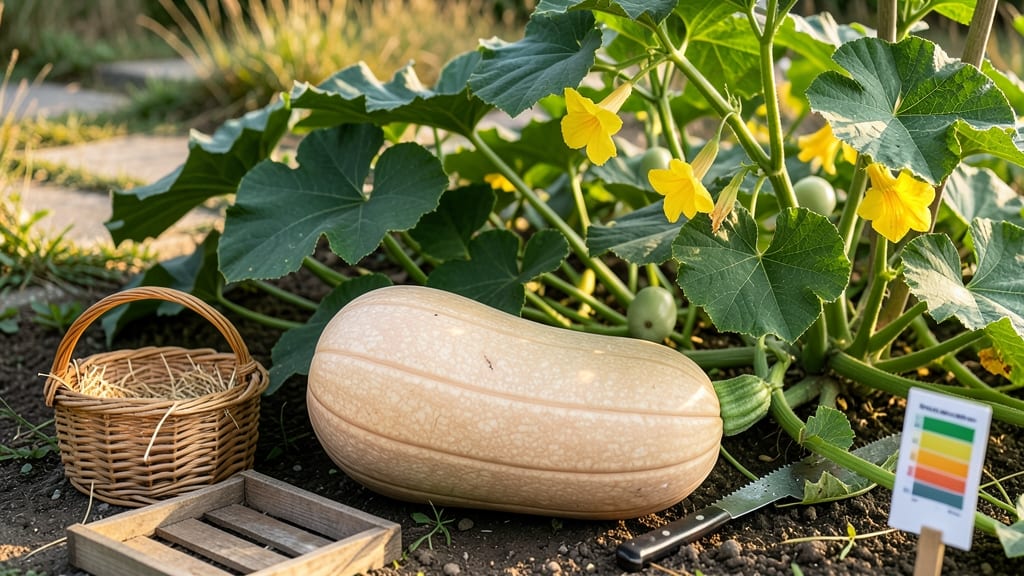
Picking spaghetti squash from the garden at the wrong time means tough, stringy flesh instead of tender, noodle-like perfection—here’s how to nail the harvest window every time.
If you’ve ever sliced into a 🍠 spaghetti squash only to find it underripe and rubbery, you know the frustration. The difference between a perfect harvest and a wasted effort comes down to timing, and I’ve got the 3 key signs to watch for in your garden.
Spaghetti squash thrives in USDA Zone 6a from late summer through early fall, but don’t wait until frost threatens—September to October is your sweet spot. Look for a dull, hard rind, a stem that twists off easily, and a vine that’s starting to yellow.
These visual cues tell you it’s ready to pick.
Below, I’ll walk you through how to test for doneness without guesswork, what happens if you pick too early or too late, and how to store your harvest for maximum flavor. No more wasted squash—just tender, stringy perfection every time.
3 Visual signs your spaghetti squash is ripe for harvest
Harvesting spaghetti squash at the perfect moment transforms your garden bounty into a tender, stringy delight. But how do you know when it's truly ready? Timing is everything—pick too early, and you'll end up with tough, fibrous flesh.
Too late, and the flavor fades. The key lies in three visual cues that signal your squash is primed for harvest.
First, pay attention to the skin color. Unlike other squash varieties, spaghetti squash doesn't turn bright orange. Instead, look for a dull yellow or tan hue that replaces the vibrant green.
This color shift indicates the squash has matured enough for harvest, but it's still tender inside. Ignore this sign, and you might miss your window.
Next, check the stem attachment. A ripe spaghetti squash will have a stem that separates easily from the vine with a slight twist. If the stem resists or requires force, your squash needs more time on the vine.
This simple test saves you from cutting into an underripe squash and ensures you're harvesting at peak texture.
Finally, examine the vine and seed cavity. The vine should start to yellow and die back, signaling the plant is redirecting energy to the squash. Inside, you'll notice the seed cavity begins to develop—this hollow center is a clear sign of maturity.
When all three cues align, it's time to grab your pruners and harvest.
-
1Skin Color Change: Look for a dull yellow or tan rind instead of bright green. This shift happens 4-6 weeks after flowering and is your first clue.
-
2Stem Separation: Gently twist the stem—if it snaps cleanly with minimal resistance, the squash is ready. This usually occurs when the squash reaches 8-10 inches in diameter.
-
3Vine & Seed Cavity: The vine turns yellow and the squash feels heavy for its size. Tap it—if it sounds hollow, the seed cavity is developing, confirming ripeness.
Don't wait until the first frost to harvest—spaghetti squash doesn't improve after picking. If you're in USDA Zone 6a (like me), aim to harvest by late September to avoid early frost damage.
Pro tip: Use a sharp pruner to cut the stem, leaving a 1-inch stem attachment to extend shelf life.
Once harvested, store your spaghetti squash in a cool, dry place (like a garage) for up to 3 months. If you're unsure about ripeness, cut one open—ripe squash will have fully formed, pale yellow strands that pull apart easily.
Unripe squash will be green and rubbery, while overripe squash may have shriveled strands and a hollow center.
Now that you know what to look for, you'll never miss the perfect harvest window again. The next time you spot a dull yellow squash with a twist-off stem, grab your knife and enjoy that noodle-like perfection you've been waiting for! 🍠
How to test spaghetti squash ripeness before picking (no guesswork)
Harvesting spaghetti squash at the perfect moment ensures that tender, stringy strands instead of tough, fibrous flesh. The key lies in physical tests that go beyond just checking the color. I’ve learned that even when the skin looks ripe, a simple firmness test can save you from a disappointing harvest.
Start by examining the vine and stem. A ripe spaghetti squash will have a stem that twists off easily with minimal force—this is a telltale sign the squash is ready.
If the stem resists, it’s not quite time. Pay attention to how the vine is behaving too; yellowing leaves signal the plant is redirecting energy to the fruit.
⚠️ WARNING: Overripe Squash Ruins Texture ⚠️
- Shiny or cracked skin = overripe
- Soft spots = rot starting
- Stem shrivels completely = past prime
The thump test is my go-to method for final confirmation. Gently tap the squash with your knuckles—it should sound hollow and deep, like a drum. If it thuds like a watermelon, it’s not ready. This test works because ripe squash has developed its seed cavity, creating that distinctive echo.
Don’t overlook the weight and size either. A fully ripe spaghetti squash feels heavy for its size due to its dense flesh. If it feels light, it’s still maturing.
I’ve found that squash left too long on the vine can shrink slightly as moisture is lost, so act when it’s heavy but firm.
For extra precision, check the seed cavity by cutting a small section (if you’re unsure). The cavity should be fully formed with visible seeds. If it’s still green or underdeveloped, wait a few more days. This step is especially useful for first-time growers who want to avoid guesswork entirely.
Once you’ve confirmed ripeness with these tests, harvest within 24-48 hours to preserve quality. Store in a cool, dry place (50-55°F) for up to 3 months. Overripe squash? No problem—roast it immediately to salvage the flavor.