
Tools
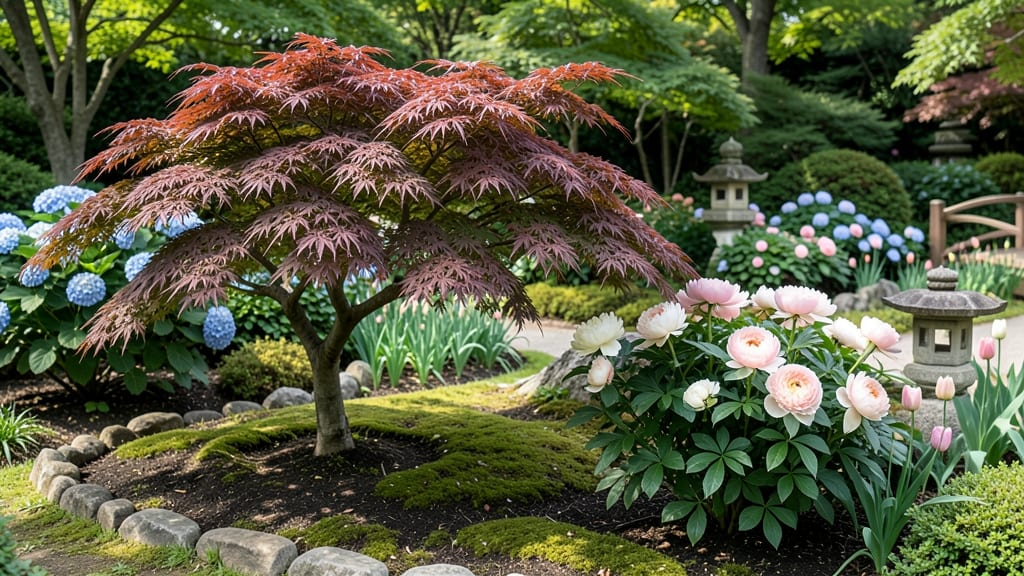
Visiting the Montreal Botanic Garden lets you explore over 22,000 plant species across 10 themed gardens, from the serene Japanese Garden to the vibrant Rose Garden, offering seasonal blooms and rare botanical treasures year-round.
The Montreal Botanic Garden stands as Canada’s largest botanical garden, blending horticultural artistry with scientific discovery. 🌿 Each of its 10 themed gardens—like the tranquil Chinese Scholar’s Garden or the dramatic Alpine Garden—showcases unique ecosystems, from delicate orchids to hardy Canadian wildflowers.
Beyond the stunning visuals, the garden’s greenhouses host rare carnivorous plants and tropical species, making it a living classroom for plant enthusiasts. Whether you're admiring spring tulips or winter holiday displays, the garden’s ever-changing exhibits ensure every visit feels fresh.
What sets this garden apart is its seamless fusion of nature and culture.
The First Nations Garden, for instance, highlights Indigenous plant knowledge, while the Rose Garden’s seasonal transformations attract visitors year-round. 🌸 With over 22,000 species, it’s not just a stroll through beauty—it’s an immersive journey into global biodiversity, all within Montreal’s urban landscape.
💡 In This Article
- Exploring Montreal Botanic Garden’s Signature Plant Collections
- Best Times to Visit Montreal Botanic Garden by Season
Exploring Montreal botanic garden’s signature plant collections
The Montreal Botanic Garden’s 10 themed gardens are meticulously designed to replicate diverse ecosystems from around the world.
The Alpine Garden, for example, features over 1,500 species adapted to high-altitude conditions, including rare Edelweiss and Jacob’s Ladder, which thrive in rocky, nutrient-poor soils at elevations up to 3,000 meters. 🌿 These plants use specialized adaptations like thick, waxy leaves and shallow root systems to survive extreme cold and limited water—qualities that make them resilient yet delicate to cultivate.
The Greenhouse Complex houses some of the garden’s most extraordinary botanical treasures, including a collection of over 300 orchid species from tropical regions. The Carnivorous Plant Collection showcases over 100 species like the Venus flytrap and pitcher plants, which have evolved to trap insects in nutrient-poor environments.
These plants use enzymatic digestion to break down prey, providing essential nitrogen—a process that takes place in specialized leaves like the pitcher-shaped traps of Nepenthes, which can hold up to 1 liter of water and secrete digestive enzymes.
For those interested in cultural botany, the First Nations Garden highlights traditional Indigenous plant uses, featuring over 100 species like wild bergamot (used for tea) and bearberry (employed in medicinal poultices).
The garden’s design mirrors the natural landscapes of Quebec’s First Nations, with plants arranged in a way that reflects their historical and practical significance. 🌱 This collection isn’t just decorative—it serves as an educational tool for understanding the deep connection between Indigenous communities and their environment.
Seasonal variations play a crucial role in the garden’s appeal. During spring, the Tulip Festival transforms the garden into a sea of color, with over 100,000 tulips in bloom.
In summer, the Rose Garden features over 10,000 roses from 300 varieties, while autumn brings vibrant foliage and the Japanese Garden’s iconic maple trees, which turn fiery shades of red and orange. Even in winter, the garden remains vibrant with holiday displays and evergreen collections.
The Chinese Scholar’s Garden, inspired by Ming Dynasty gardens, is another standout. It features traditional elements like bamboo groves, stone lanterns, and ponds with koi fish, all designed to create a harmonious balance between nature and human-made structures.
The garden’s 1,000-year-old camphor tree, a rare specimen in Canada, adds a sense of historical grandeur, with its twisted trunk and fragrant leaves.